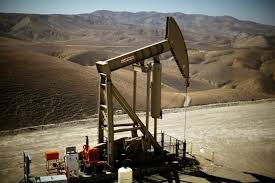
Pakistan has announced a modest but important discovery of new oil and gas reserves in the northwestern province of Khyber Pakhtunkhwa. According to state media, the find was made at the Lumshiwal Formation of the Baragzai X-01 exploratory well. During testing, the well produced 225 barrels of oil per day and 1.01 million standard cubic feet of gas per day, showing promising commercial viability.
The Baragzai X-01 well was drilled to a depth of 5,170 meters, targeting multiple formations including Lockhart, Hangu, Lumshiwal, Samana Suk, Shinawari, Datta, and Kingriali. Earlier tests in several of these formations also confirmed oil and gas presence, strengthening confidence in the block’s hydrocarbon potential. The discovery was made under the Nashpa Exploration License, with Oil and Gas Development Company (OGDC) holding a 65 percent interest, Pakistan Petroleum Limited 30 percent, and Government Holdings Private Limited 5 percent.
Energy Security and Broader Context
Pakistan faces a widening energy gap due to rising demand and limited domestic output, forcing heavy reliance on costly imports. Between July 2025 and January 2026, the country’s petroleum import bill stood at over $9 billion, despite a slight decline compared to the previous year. Discoveries like Baragzai X-01 are therefore crucial in reducing dependence on imported fuel and strengthening energy security.
Recent months have seen several similar finds across the country. In January, a well in Kohat produced 4,100 barrels of oil per day and 10.5 million cubic feet of gas. In September 2025, Pakistan Petroleum Limited reported a discovery in Attock, while Mari Energies announced a new gas find in North Waziristan.
Sindh remains the largest contributor to gas production, while Khyber Pakhtunkhwa accounts for 41 percent of crude oil output. Punjab and Balochistan contribute smaller shares. Taken together, these discoveries, though modest individually, could significantly boost domestic production and help narrow Pakistan’s energy supply-demand gap.
Read More: Pakistan’s Rising Diplomatic Stature Reflected in Washington Visit