
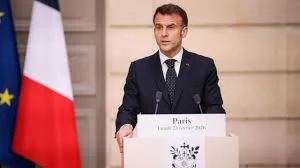
French President Emmanuel Macron has announced a major change in France’s defense policy by ordering an increase in the country’s nuclear warheads. He also said France will no longer share public figures about the size of its nuclear stockpile. The decision marks a clear shift in policy and comes at a time of growing global security tensions.
Speaking in a televised address, Macron said the move was necessary to ensure France’s security in an increasingly unstable world. He stressed that national defense must adapt to new threats. At the same time, he confirmed that details about France’s nuclear arsenal will now remain confidential.
A Major Break From Decades of Restraint
France currently has fewer than 300 nuclear warheads. Under the new order, that number will increase. This will be the first time France has expanded its nuclear arsenal since at least 1992, when many countries began reducing weapons after the Cold War.
For decades, France followed a policy of maintaining a limited but effective nuclear force. The goal was deterrence rather than expansion. However, officials now say that changing global conditions require stronger measures.
BREAKING: French President Macron:
— Clash Report (@clashreport) March 2, 2026
I have ordered that we increase the number of nuclear warheads in our arsenal… we will no longer communicate on the figures regarding our nuclear arsenal. pic.twitter.com/qz1gEOdCl4
Macron’s decision to stop disclosing stockpile figures signals a move toward greater secrecy. French authorities believe this will strengthen deterrence by keeping potential rivals uncertain about France’s capabilities.
Rising Global Tensions Drive Policy Shift
Meanwhile, the announcement comes as conflicts and military rivalries continue to rise across Europe and beyond. Ongoing wars, growing mistrust between major powers, and concerns over nuclear threats have pushed many countries to rethink their defense strategies.
French officials argue that the expansion does not mean France is seeking confrontation. Instead, they say it is about protecting national sovereignty and maintaining strategic balance. Macron repeated calls for stability while insisting that France must remain prepared for any situation.
However, the decision may raise concerns among international observers. Critics warn that increasing nuclear weapons could fuel an arms race and weaken global efforts to control nuclear proliferation. Supporters counter that strong deterrence prevents conflict rather than causing it. France’s decision represents a historic turning point in its defense policy. By increasing its nuclear arsenal and ending public disclosure, Paris is signalling a firmer stance on national security. How this move will shape relations with allies and rivals remains to be seen, but its impact will likely be felt far beyond France’s borders.











