
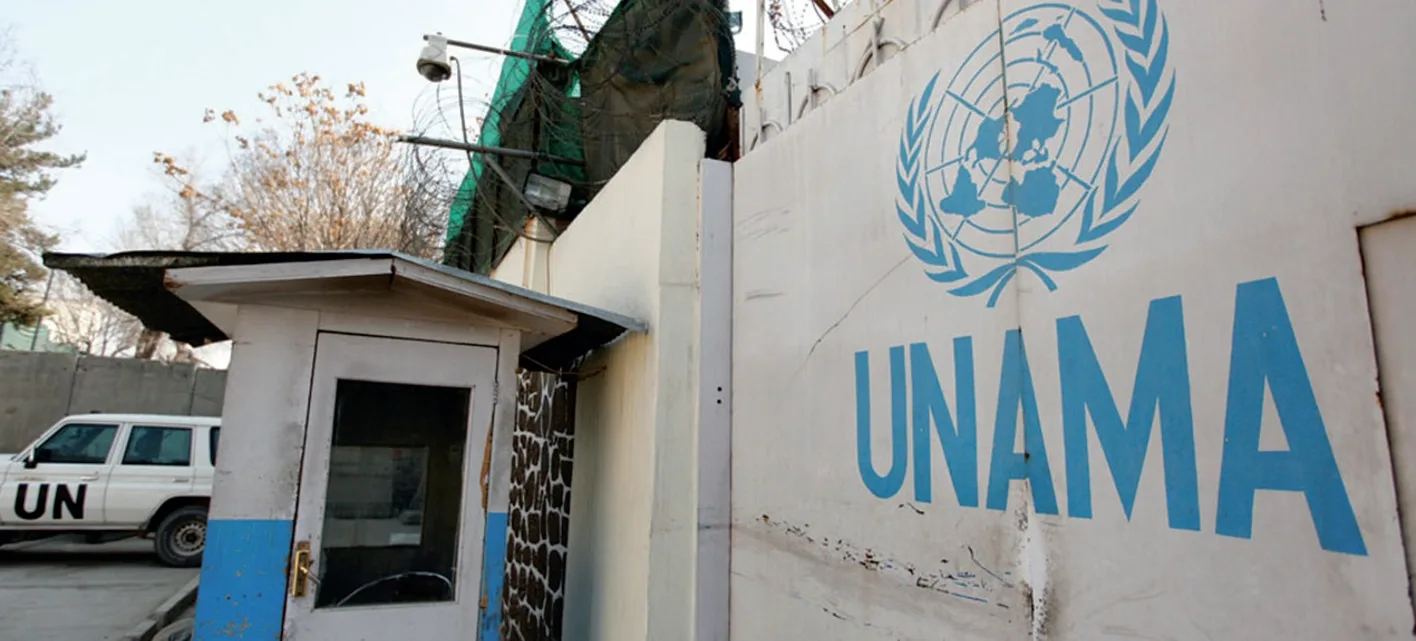
The recent press statement by the United Nations Assistance Mission in Afghanistan has highlighted civilian suffering during the latest Pakistan Afghanistan border tensions. UNAMA called for restraint and warned of rising civilian casualties and humanitarian harm inside Afghanistan. While concern for civilians is important, the statement has raised serious questions about balance, verification, and the wider context of the conflict.
At a time when facts matter most, critics argue that UNAMA’s narrative appears selective. It highlights alleged impacts but avoids addressing long documented causes of instability, particularly the presence of militant groups operating from Afghan soil.
Statement: UNAMA reiterates its call for a halt in cross-border clashes between Afghan de facto security forces & Pakistani security forces, which is worsening #Afghanistan’s already grave humanitarian situation. Full statement (in English, Dari, Pashto): https://t.co/WPBnAzyKNR pic.twitter.com/mPr4lYbx5q
— UNAMA News (@UNAMAnews) March 3, 2026
Numbers Shared, But Key Facts Left Out
UNAMA reported dozens of civilian deaths and injuries, along with large scale displacement and disruption of aid. However, the statement did not explain how these figures were verified or what method was used to confirm them. No evidence was shared, and the numbers were attributed only to unnamed reports.
More importantly, UNAMA did not mention findings from the UN Security Council Monitoring Team, which has repeatedly stated that Afghanistan’s de facto authorities provide a permissive environment for terrorist groups, including the Tehreek e Taliban Pakistan. According to the Monitoring Team, TTP has around 6,000 fighters based in Afghanistan and receives logistical and financial support.
The same UN reports note over 600 TTP attacks during the reporting period, many launched from Afghan territory. They also mention monthly financial support and the presence of training centres in provinces such as Kunar, Nangarhar, Khost, and Paktika. This context is missing from UNAMA’s statement, making the humanitarian picture incomplete.
Pakistan’s Losses and the Reality of Terrorism
Pakistan continues to suffer heavily from terrorism linked to cross border militancy. The Global Terrorism Index 2025 reports 1,081 terrorism related deaths in Pakistan in 2024, a 45 percent increase from the previous year. TTP alone carried out 482 attacks, killing 558 people, which made up more than half of all terrorism deaths.
Figures from the Pakistan Institute for Peace Studies further show 521 attacks killing 852 people in 2024, followed by 699 attacks and 1,034 deaths in 2025.At the same time, Pakistan’s long history of hosting millions of Afghan refugees is often overlooked. For decades, it provided shelter despite limited resources and ongoing security threats.
Pakistan has rejected unverified claims of civilian harm, stating its actions were intelligence based and targeted only known terrorist camps, with precautions taken to avoid civilian casualties. For many observers, humanitarian concern must include both Afghan civilians and Pakistani victims of terrorism. Without naming militants and their sanctuaries, calls for restraint risk losing credibility.
Read more: Afghanistan’s Growing Militant Threat: A Regional Security Challenge











