
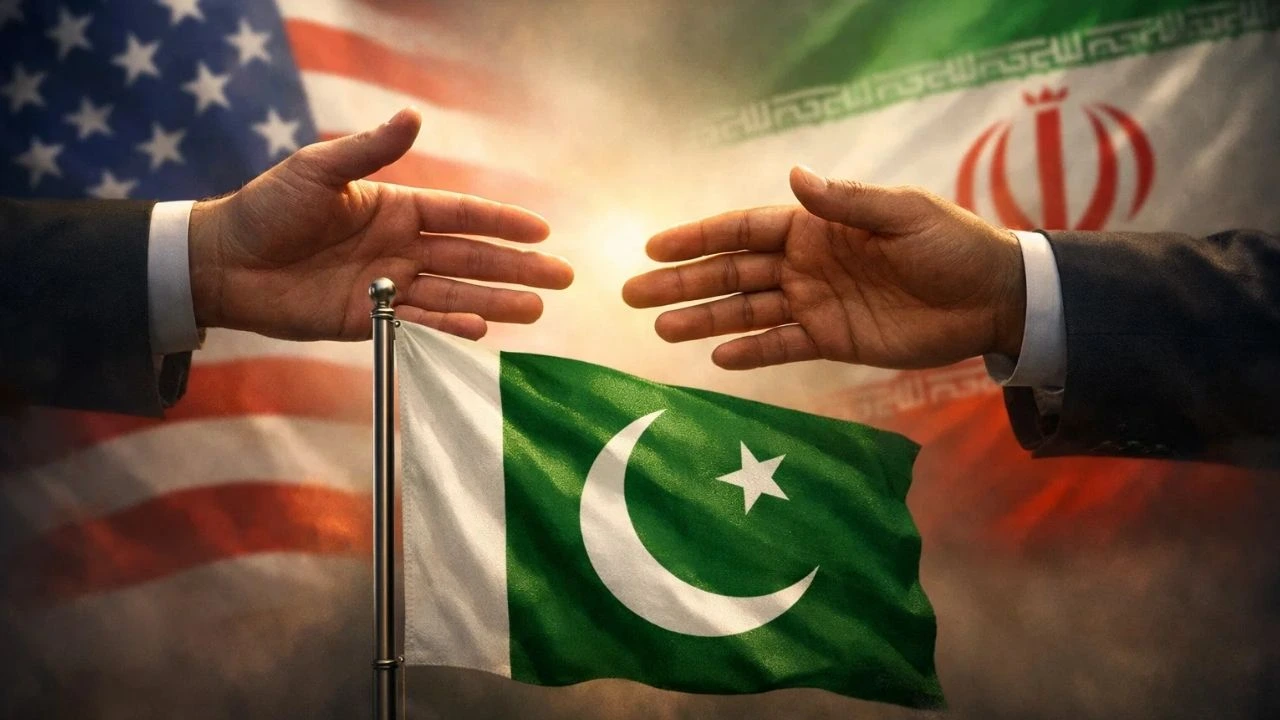
As tensions between Washington and Tehran continue to shape the region, Pakistan’s role as a quiet facilitator has come under the spotlight. Recent questions raised in Iranian media have sparked debate about whether Pakistan’s mediation is effective or visible enough. However, diplomatic sources say the criticism misses a key point. Pakistan’s approach is not about headlines. It is about keeping doors open and reducing tension step by step.
From Islamabad’s point of view, silence does not mean inaction. Instead, it reflects a careful effort to avoid pressure, public drama, and rushed outcomes in a very sensitive process involving the United States and Iran.
A Facilitator, Not a Decision Maker
First of all, Pakistan has clearly stated that it is acting only as a facilitator. It is not trying to guide decisions or impose timelines on either side. Diplomatic officials explain that Pakistan’s role is to help both sides communicate when trust is low and tensions are high.
At the same time, officials stress that mediation often happens through multiple channels. Some talks take place quietly, away from cameras and public statements. Because of this, a lack of visible progress does not mean talks have stalled. In fact, diplomats say quiet contact often helps prevent misunderstandings that could otherwise lead to escalation.
Moreover, Pakistan believes that symbolic meetings without real groundwork can do more harm than good. For this reason, it prefers steady contact over dramatic gestures.
Why Silence Can Be Strategic
Meanwhile, experts point out that quiet diplomacy is common in high risk disputes. Public signals can be misleading and sometimes are meant for domestic audiences rather than real negotiation. Pakistan has kept in touch with both Tehran and Washington to ensure that communication continues even when public messaging is tense.
In addition, the expansion of proposals from a limited set of points to a broader framework is seen as normal. History shows that complex disputes rarely move in a straight line. Adjustments and delays are part of the process, not signs of failure.
Finally, Pakistan’s main interest is regional stability. Safe trade routes and regional calm are vital for its own security and economy. By staying neutral and avoiding public pressure, Pakistan believes it can help lower temperatures rather than inflame them.
In short, Pakistan’s message is simple. Real diplomacy works best when it is patient, quiet, and focused on results, not noise.











