
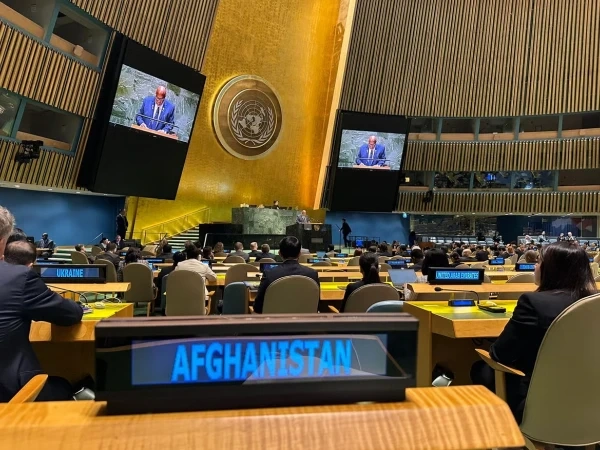
Afghanistan continues to be excluded from voting rights in the United Nations General Assembly, keeping the country in a state of diplomatic isolation. The situation has now stretched into a fourth consecutive year, largely due to unpaid membership dues and ongoing political disputes over representation.
According to reports, the United Nations has once again refused to recognize the Taliban administration as the official representative of Afghanistan. As a result, the country’s seat remains in limbo, leaving it without a voice in key global decisions. This ongoing deadlock reflects deeper concerns within the international community about governance in Kabul.
Human Rights and Security Issues Add to International Isolation
In addition to financial dues, broader political and human rights concerns have also played a major role in Afghanistan’s continued exclusion. The Taliban government has repeatedly described issues such as human rights and counter terrorism obligations as internal matters, which has created further distance between Kabul and global institutions.
Moving forward, international observers say this position has made it difficult for Afghanistan to regain trust on the global stage. Without engagement on these core issues, diplomatic recognition remains unlikely in the near future.
Meanwhile, the absence of voting rights has significantly weakened Afghanistan’s participation in international forums. It also limits the country’s ability to influence decisions that directly affect its future, including humanitarian aid and development support.
Transitioning to the humanitarian impact, experts warn that the ongoing isolation is not just political but also social and economic. Ordinary Afghan citizens are facing indirect consequences as global assistance and development programs become harder to access or coordinate effectively.
In conclusion, analysts believe that unless there is meaningful progress on international expectations, including human rights commitments and financial obligations, Afghanistan’s diplomatic isolation is likely to continue. For now, the country remains on the sidelines of global decision making, with little sign of change in the immediate future.











