
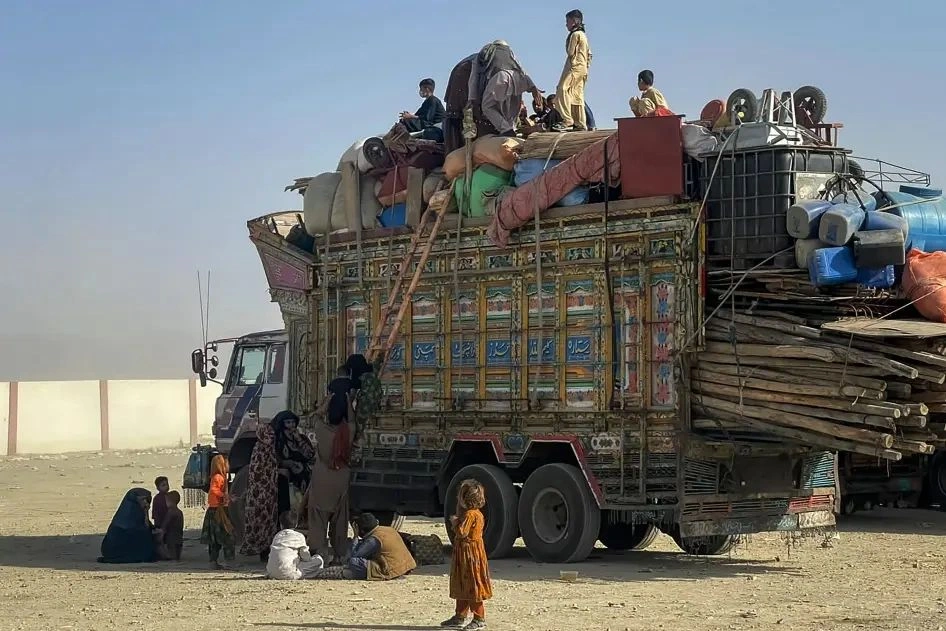
A report issued by the international human rights organization Human Rights Watch has raised concerns over the return of Afghan nationals from Pakistan, noting that around 146,000 Afghans were repatriated during 2026 along with questions regarding actions by security agencies. However, diplomatic and legal sources in Pakistan maintain that the process is not a case of sudden or forced expulsions, but rather the implementation of a long-term, phased legal framework reaching its conclusion.
Four Decades of Unprecedented Hosting
Pakistan has hosted more than 4 million Afghan refugees for over 40 years, making it one of the largest and longest refugee hosting arrangements in the world. Although Pakistan is not a signatory to the 1951 Refugee Convention, it provided shelter to Afghan citizens on humanitarian grounds for decades and repeatedly extended their residency documentation.
Evolution and Expiry of Legal Documentation
Afghan residents in Pakistan were previously categorized under different documentation regimes, including POR and ACC cardholders. The final extension for approximately 1.3 million registered Afghans holding POR cards expired on June 30, 2024, while policies for around 800,000 ACC cardholders became ineffective after 2023. These phased expirations indicate that Pakistan provided sufficient time for individuals to regularize their status or prepare for return.
Shift Toward Immigration Control
Current measures primarily target an estimated 1.5 to 2 million undocumented Afghan nationals who were never formally protected under any legal framework. Pakistan is now transitioning from open-ended humanitarian hosting toward structured immigration control, a sovereign right of all states. Experts note that the ongoing repatriation is an administrative process following the expiry of temporary stay arrangements rather than a violation of permanent asylum rights.
Comparison With Global Practices
When compared internationally, Pakistan’s approach is relatively more gradual. Since 2023, the United States has deported between 600,000 and 800,000 individuals, the European Union around 330,000, and the United Kingdom over 80,000. In contrast to detention-based or abrupt removals seen in Western countries, Pakistan’s process is described as phased and preceded by notice.
Need for a Sustainable Solution
Given that Afghanistan is no longer in the same level of conflict that initially triggered mass displacement, experts argue that a legal and humanitarian transition has become necessary. Pakistan maintains that a durable solution lies in rehabilitation within Afghanistan and fair responsibility-sharing by the international community, ensuring safe return and reintegration of refugees in their home country.











