
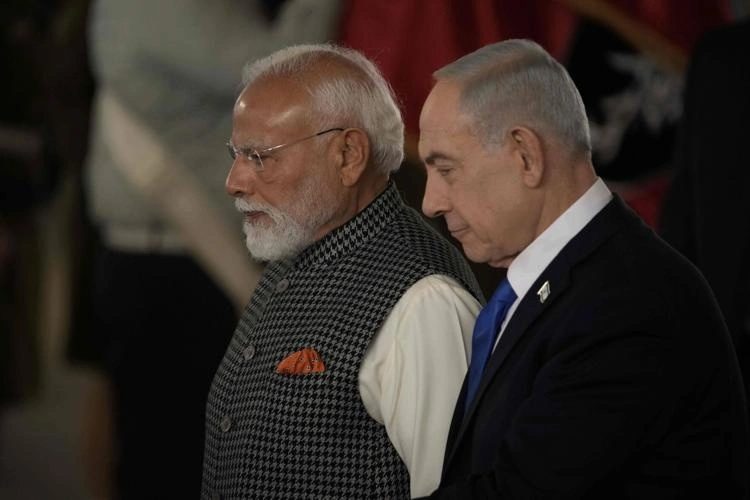
New Delhi – Indian Prime Minister Narendra Modi’s recent telephone conversation with Israeli Prime Minister Benjamin Netanyahu has sparked sharp criticism in some political and diplomatic circles, particularly as tensions continue to escalate in the region.
In a public statement shared on social media, Modi said he discussed the current regional situation with Netanyahu, conveyed India’s concerns over recent developments, and emphasized civilian safety as a priority. He also reiterated India’s call for an early cessation of hostilities.
However, critics argue that the optics of the call — at a time when violence and destruction dominate headlines — raise uncomfortable questions about India’s positioning. While the official language focused on peace and civilian protection, detractors say the outreach reflects a deepening political alignment that appears selective in its empathy and strategic in its messaging.
Opponents of the government contend that India’s leadership has increasingly aligned itself with controversial foreign policy partners, even when civilian casualties and humanitarian crises are involved. They argue that expressions of concern ring hollow if not matched by consistent diplomatic pressure on all sides.
Some observers further point to what they describe as a visible political camaraderie between Modi and Netanyahu, suggesting that the relationship goes beyond routine diplomacy. For critics, this moment underscores what they see as a broader ideological and strategic partnership that overlooks the wider regional consequences.
Read more :Criticism of India’s Role in Rising Tensions in the Middle East











