
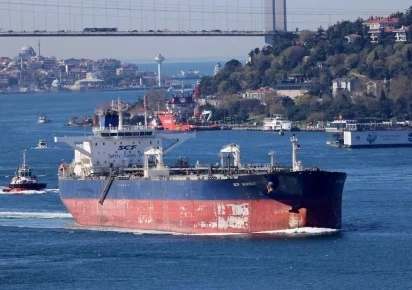
Pakistan is set to receive approximately 733,000 barrels of crude oil from Russia as regional tensions continue to affect energy markets during the ongoing situation in the Strait of Hormuz. According to Russian media, energy expert Mahmooda Salameh noted that this shipment comes at a time when countries in the region are reviewing supply routes and energy security strategies.
Traditionally, Pakistan has imported the majority of its oil from Gulf countries, particularly Saudi Arabia and the United Arab Emirates. In recent years, Islamabad has occasionally sourced discounted crude from Russia, reflecting efforts to diversify energy supplies and maintain stability.
Global oil markets remain sensitive due to geopolitical developments around the Strait of Hormuz, one of the world’s key oil transit routes. Any disruption in this passage can influence oil prices and impact economies that rely heavily on imports.
Economic analysts have highlighted that fluctuations in energy costs could affect Pakistan’s financial planning. The Pakistan Business Council has indicated that rising global oil prices could increase economic pressure. For instance, a 10 percent rise in global oil prices could add roughly $1.5–2 billion to the country’s current account deficit, while prices reaching $100 per barrel might raise the annual deficit by $5–7 billion.
Experts point out that shipments like the current Russian crude delivery may provide additional supply security in the short term. At the same time, they emphasize the importance of continued diversification of energy sources to reduce vulnerability to global market changes.
As the situation in the Strait of Hormuz develops, Pakistan is expected to explore options that ensure energy stability and mitigate potential impacts on the economy.











