
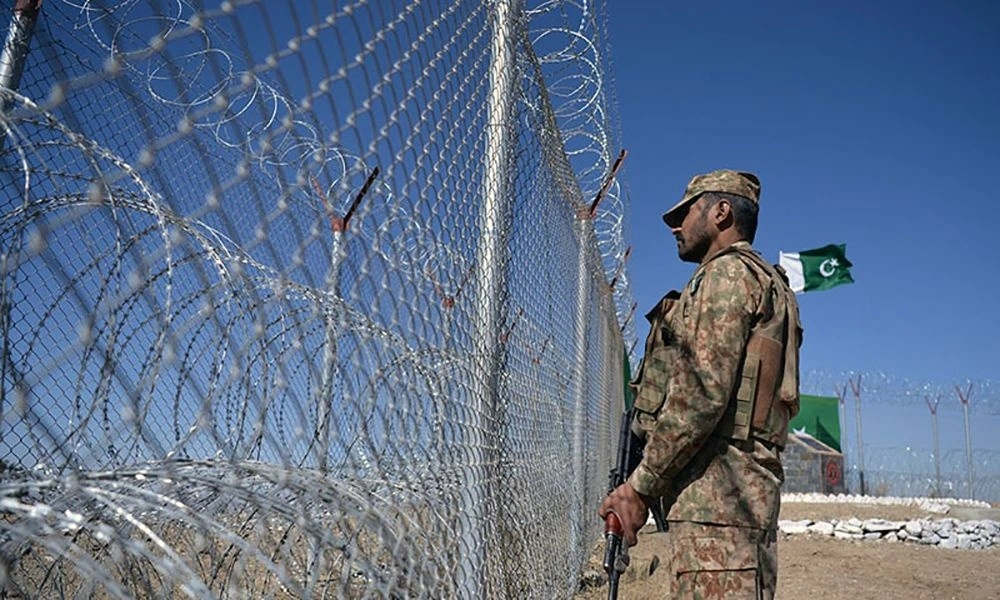
Tensions between Pakistan and Afghanistan have intensified following a series of precision strikes carried out by Pakistan against militant targets believed to be linked to cross-border attacks.
According to security sources, Pakistan conducted targeted air operations against facilities associated with militant groups operating from Afghan territory. The strikes reportedly focused on locations in Kabul’s Pul-e-Charkhi area, Kandahar near the airport, and border provinces including Paktia and Paktika, where militant infrastructure and logistics hubs were believed to be located.
Precision Operations Target Militant Infrastructure
Officials say the operations were aimed specifically at command centers, weapons depots, and logistical support sites used by militant organizations such as the Tehrik-i-Taliban Pakistan (TTP) and affiliated networks. The strikes were described as defensive and proportionate actions in response to repeated attacks originating from across the border.
Pakistani authorities maintain that the objective was to dismantle militant infrastructure responsible for cross-border terrorism while minimizing any risk to civilians. Security officials stressed that any collateral damage reported from the affected areas could be linked to militants operating within or near populated locations, a tactic frequently used to shield activities from counter-terror operations.
Taliban Claims and Information Disputes
The Afghan Taliban, through spokesman Zabihullah Mujahid, has claimed that the strikes caused civilian casualties, including women and children, and alleged that a fuel depot linked to Kam Air was targeted.
However, Pakistani sources and independent monitoring suggest that such claims remain unverified and may be part of a broader information campaign. Analysts note that some of the facilities mentioned are believed to have dual-use characteristics, potentially used by militant networks alongside civilian infrastructure.
Retaliation Claims Under Scrutiny
Taliban-aligned accounts have also reported retaliatory strikes against Pakistani military positions, including alleged drone or missile activity targeting areas in Kohat Division of Khyber Pakhtunkhwa. Pakistani security officials say these reports are still being verified, with many claims circulating online lacking independent confirmation.
Security forces along the frontier have reportedly been placed on high alert, with authorities warning that any escalation would receive an immediate and effective response.
Militant Campaign Against Pakistan
The current tensions come amid a broader militant campaign launched earlier this year. Groups including the Tehrik-i-Taliban Pakistan (TTP) and networks affiliated with Hafiz Gul Bahadur reportedly announced a coordinated operation under the banner “Tahafuz-e-Imarat-e-Islami”, meaning “Protection of the Islamic Emirate.”
Security experts say the campaign explicitly links militant attacks inside Pakistan with defending the Afghan Taliban administration, reinforcing concerns about operational coordination between cross-border militant networks.
Escalation Timeline
The crisis escalated following a series of deadly attacks inside Pakistan earlier this year, including incidents reported in Islamabad, Bajaur, and Bannu. In response, Pakistan launched air operations against militant camps in late February.
Subsequent clashes along the border intensified tensions, with both sides accusing each other of aggression. Pakistani officials say continued military actions are focused solely on eliminating militant safe havens responsible for attacks on Pakistani territory.
Pakistan Calls for Accountability and De-Escalation
Despite the military escalation, Pakistani authorities maintain that the country seeks de-escalation and regional stability. Officials argue that the crisis stems primarily from the continued presence of militant groups operating from Afghan soil.
Pakistan has repeatedly called on the authorities in Kabul to take verifiable action against militant networks, including the TTP and other armed groups accused of carrying out cross-border attacks.
Diplomatic observers note that the situation has drawn increasing international attention, with some countries and global institutions urging restraint while emphasizing the need to address terrorism and security concerns in the region.
For Pakistan, officials say, the guiding principle remains clear: defending national sovereignty and protecting civilians from terrorism while keeping the door open for dialogue and long-term stability.
Read more :Pakistan Launches Airstrikes on Militant Sites in Kabul and Paktia











