
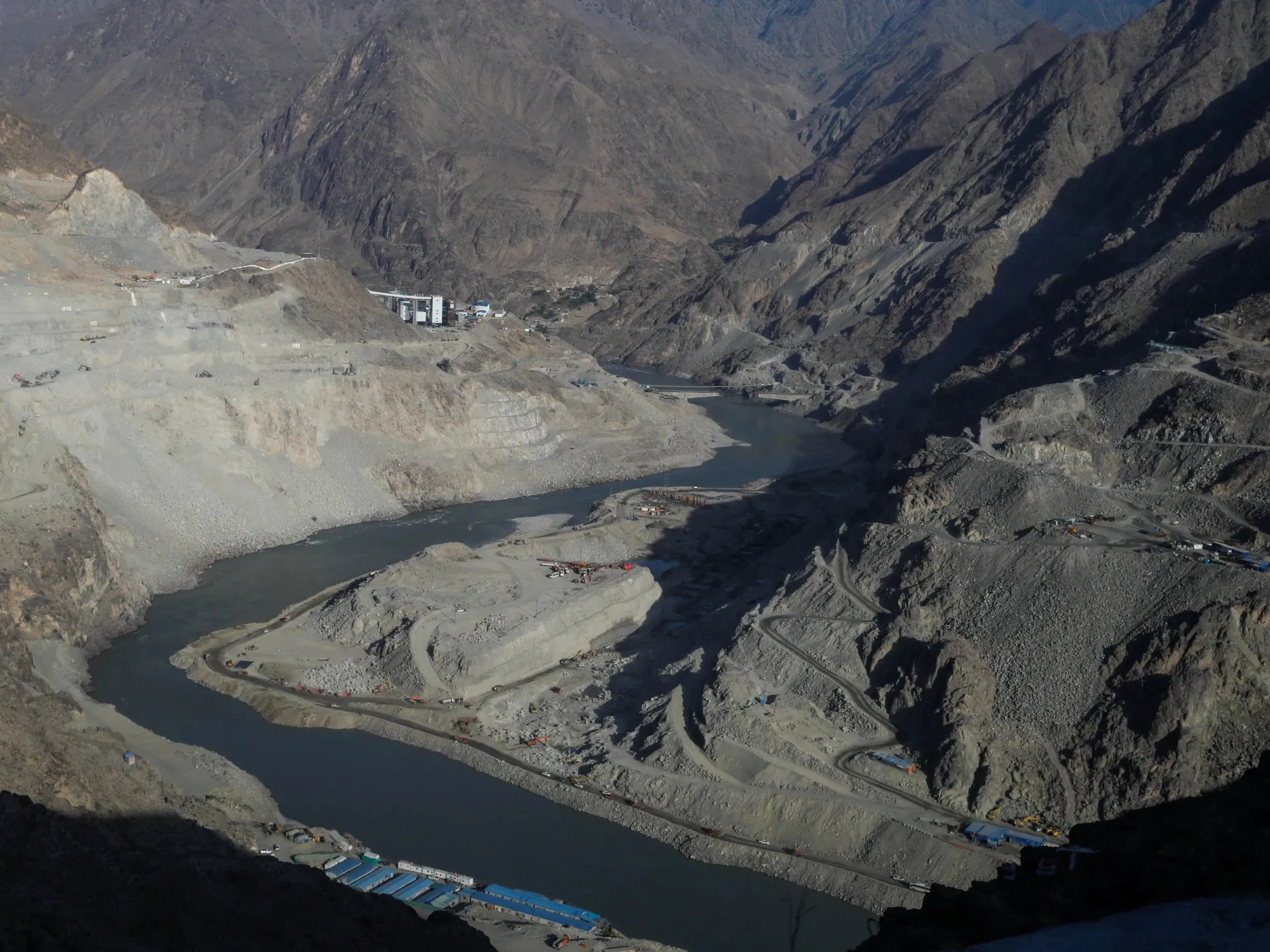
Pakistan has expressed serious concern over India’s recent stance regarding the Indus Waters Treaty and its threat to suspend the agreement, calling it a clear violation of international law and human rights. Experts believe that access to safe and predictable water is not merely a necessity but a fundamental right, and any unilateral move by India could expose human security in the Indus basin to significant risks.
Agriculture and Food Security
Pakistan’s extensive irrigation system, which forms the backbone of its national economy, relies entirely on the flow of the Indus River. Any disruption to the agreement would lead to disturbances in agricultural cycles, reduced crop production, and the risk of a food crisis. Agricultural experts have also warned that instability in water flow would directly impact farmers’ incomes and food prices.
Public Health and Economic Stability
Water is essential not only for agriculture but also for drinking, sanitation, and public health. Suspending the treaty could increase the risk of disease outbreaks and affect hydropower projects and industry, potentially triggering an energy crisis and economic instability.
International Law and Regional Stability
Pakistan maintains that the equitable use of shared rivers and the protection of downstream countries’ rights are established principles of international law. Any deviation by India from the treaty would not only weaken the historic 1960 framework but also set a dangerous precedent for the global legal order. With increasing environmental pressures from climate change and glacier melting, the absence of water cooperation would heighten regional risks and threaten peace and stability in South Asia.
Read more :India Misses PCA Deadline on Indus Waters Treaty Data Sharing











