
Veto Power Under Strong Criticism in UN Reform Talks
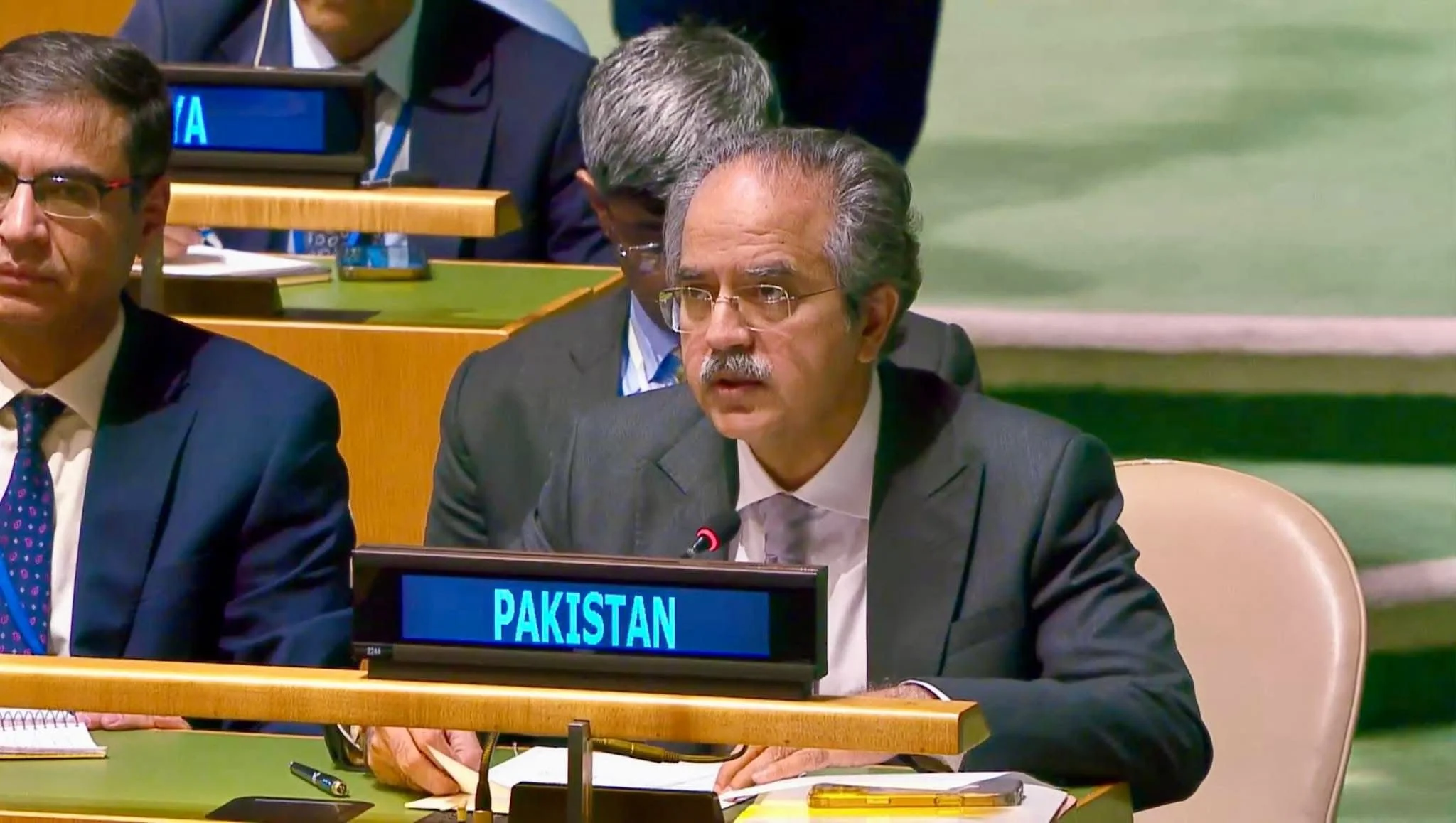
Pakistan has called for major changes in the United Nations Security Council, demanding either the abolition or strict limitation of veto power held by permanent members. The statement came during a session of the Intergovernmental Negotiations on Security Council reform held at the UN.
Pakistan’s Permanent Representative to the UN, Ambassador Asim Iftikhar Ahmad, said the current system often blocks important global decisions. He argued that this leads to delays and inaction on issues related to international peace and security.
He further stated that the misuse of veto power by powerful countries is one of the main reasons behind the Council’s failure to act in critical situations. According to him, the system no longer fits today’s global realities and needs urgent reform.
In addition, Pakistan strongly opposed any proposal to expand the number of permanent members or give veto power to new countries. The ambassador said this would only increase imbalance and make decision making even more difficult.
https://twitter.com/PakistanUN_NY/status/2044239749959839918/photo/1
Pakistan Supports Broader and More Balanced Reform
Moving forward, Pakistan suggested that instead of expanding permanent seats, the focus should be on increasing elected non permanent members. This, it said, would make the Security Council more balanced and representative.
Moreover, Ambassador Asim Iftikhar Ahmad stressed the importance of transparency in how vetoes are used. He also supported giving the UN General Assembly a stronger role in reviewing such decisions. This, he said, would increase accountability and reduce misuse of power.
Meanwhile, Pakistan emphasized that reform should not focus on only one issue. Instead, it should cover all key areas including membership structure, regional representation, and working methods of the Council. The country repeated its stance that no group should receive special privilege under any reform plan.
At the same time, global negotiations on Security Council reform have been ongoing since 2009. Countries like India, Brazil, Germany, and Japan continue to push for permanent seats. On the other side, the Uniting for Consensus group, led by Pakistan and Italy, opposes any expansion of permanent membership.
Currently, the Security Council includes five permanent members and ten elected members serving two year terms. Pakistan maintains that real reform should make the system fairer, more inclusive, and more accountable for all member states.











