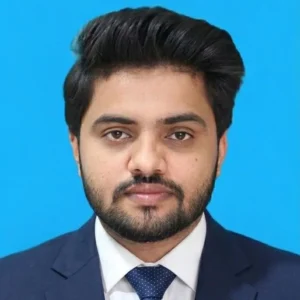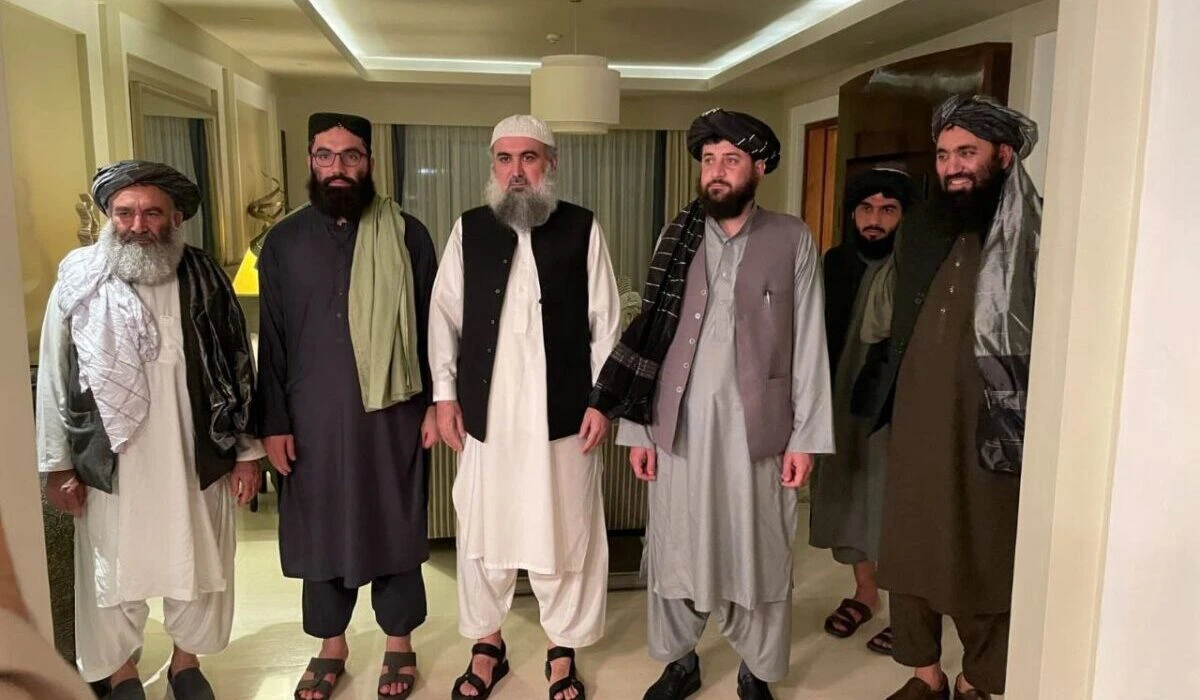
KANDAHAR — Mutasim Agha Jan, a senior former Taliban official, has reportedly been detained by an inner security unit linked to Taliban supreme leader Hibatullah Akhundzada in Kandahar province on April 13.
According to sources, He was arrested while traveling from Kabul to Kandahar. The Taliban leadership has maintained silence, declining to confirm or explain the action taken against one of their founding members.
A Long Trajectory Within Taliban Power Structures
The detention carries particular weight given his historical significance. During the Taliban’s first rule from 1996 to 2001, he served as finance minister under Mullah Mohammad Omar, with roots in the Soviet-Afghan War. He later emerged as a central figure in the post-2003 resurgence, at one point considered second only to Akhtar Mansour before internal disputes over financial control fractured alliances.
The 2012 fallout with Mansour, reportedly involving an assassination attempt in Quetta, forced him into exile. His return to Kabul in 2023, backed by Mullah Yaqub, enabled his political rehabilitation and re-entry into power circles.
Rebuilding Influence and Triggering Internal Alarm
Upon return, Agha Jan rapidly rebuilt influence in Kandahar, accumulating resources, armed backing, and political support, positioning himself as a potential alternative within Taliban power structures
Sources suggest his arrest may be linked to calls for a post-Eid ceasefire and efforts to convene religious scholars from Afghanistan and Pakistan, initiatives aimed at easing tensions but perceived as political signaling challenging central authority.
Dissent, Detentions, and Expanding Crackdowns
The detention follows warnings by Hibatullah Akhundzada. In January 2025, He warned that internal divisions could lead to systemic collapse. The case also unfolds amid ideological tensions. In 2025, Sher Mohammad Abbas Stanikzai publicly criticized the ban on women’s education as unjust, later facing arrest pressure and reportedly leaving for the UAE.
Detention has become systematic since August 2021. Taliban intelligence has targeted internal members over power struggles, former officials despite amnesty pledges, journalists, activists, and minority communities. Data from UNAMA and human rights organizations recorded 98 arbitrary detentions and 20 torture cases in early 2024, alongside 282 arrests linked to opposition ties that year and 157 more in early 2025.
Media repression remains acute. The Afghanistan Journalists Center documented 34 journalist detentions and 205 violations in 2025, with more than 265 arrests since 2021, including figures such as Mansoor Nekmal, Saifullah Karimi, and Jawed Kohistani. Arrests have also targeted activists like Ahmad Fahim Azimi, women under enforcement measures, and minority groups including Uzbeks and Hazaras.
Internal Fractures and Governance by Control
Internal fractures extend into governance structures. In April 2026, multiple public health ministry officials were detained over corruption, reflecting divisions between factions aligned with Akhundzada and the Haqqani network.
Detention operations are carried out through bodies including Directorate 08 and Directorate 40, while internationally, pressure has mounted. In July 2025, the International Criminal Court issued arrest warrants for Akhundzada and Chief Justice Abdul Hakim Haqqani over crimes against humanity and gender-based persecution.
Agha Jan’s detention reflects continuity in suppression of perceived internal threats in Taliban governance through opaque mechanisms. The silence surrounding his case reinforces a system where power consolidation remains the defining principle, even when directed at figures who helped build it.