
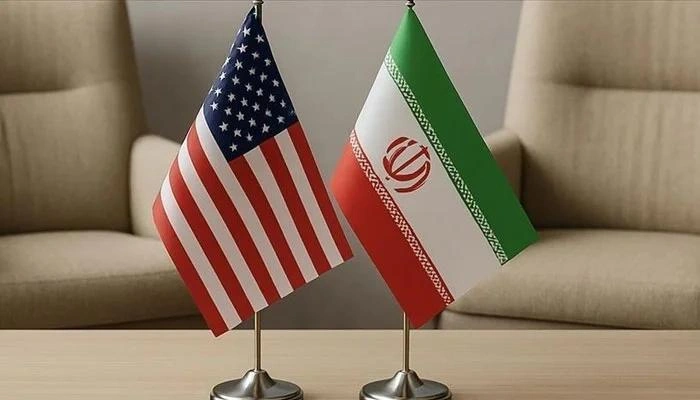
The ongoing negotiations between the United States and Iran have entered a new phase of diplomatic deadlock amid increasingly contradictory statements from both sides. US President Donald Trump has repeatedly claimed over the past 48 hours that “everything is finalized” and a historic deal is close, while Iranian officials have publicly rejected these remarks, calling them “false.” Tehran has also warned it may withdraw from previous concessions due to what it describes as unrealistic US statements.
Strait of Hormuz and Naval Blockade Dispute
The Strait of Hormuz has emerged as the most critical point of contention between the two sides. Iran is demanding an end to the US naval blockade, warning that it could again close the strategic waterway if pressure continues. Meanwhile, President Trump has maintained that US naval restrictions will remain in place with “full force” until a comprehensive agreement is signed. This contradiction has raised concerns among global markets and security analysts.
Nuclear Program and Frozen Assets Deadlock
Major disagreements also persist over Iran’s nuclear enrichment program and frozen assets. Trump has claimed that Iran has agreed to halt enrichment activities and hand over enriched uranium, a claim firmly denied by Tehran, which insists on retaining its civilian nuclear rights. Iran’s demand for the release of $20 billion in frozen assets has also been rejected by Washington, effectively collapsing speculation of a “cash-for-uranium” arrangement.
Islamabad Talks and Uncertain Outlook
While a ceasefire in Lebanon has been seen as a positive development, the broader negotiation process remains uncertain. Analysts suggest the contradictory statements reflect strategic positioning by both sides ahead of talks. With Pakistan set to host the next round of negotiations in Islamabad, and a reported US deadline adding pressure, attention is now focused on whether diplomacy can move toward a decisive breakthrough.











