
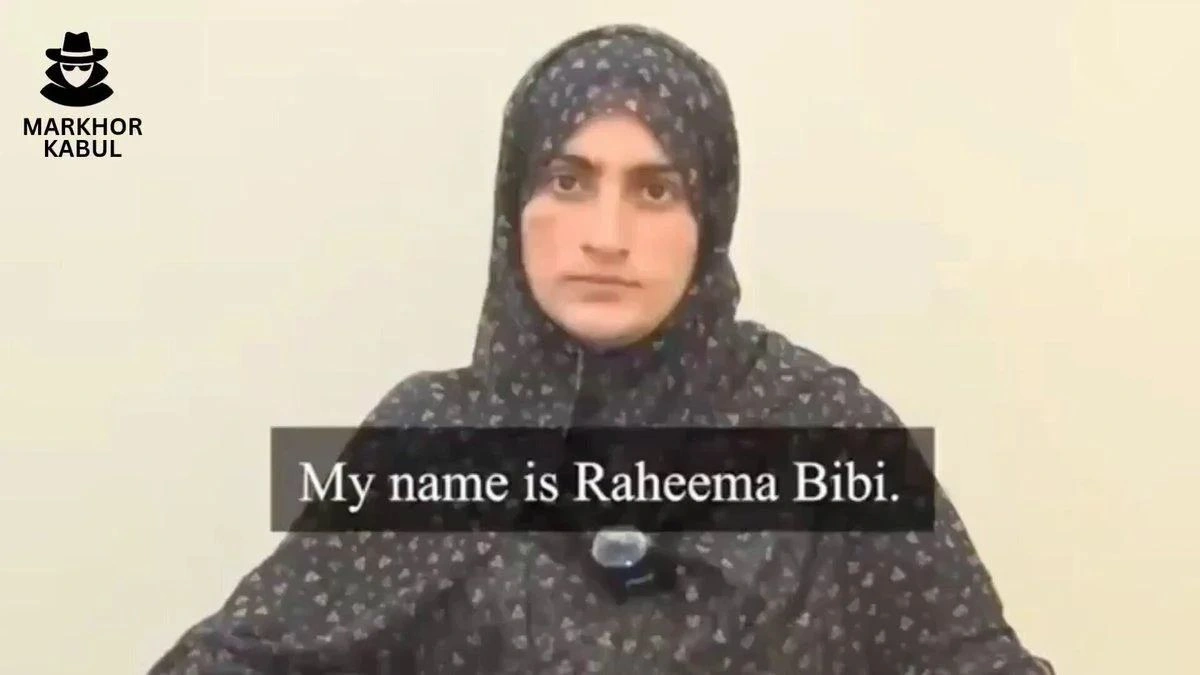
Recent revelations in the Rahima Bibi case have challenged the Discourse promoted by several so-called human rights organizations that were previously highlighting her alleged “enforced disappearance.” Social media users and observers have strongly criticized groups such as Baloch Voice for Justice and BYC, accusing them of turning her involvement in a militant network into a “disappearance” narrative against the state.
‘Human Rights’ as a Cover Allegation
Online reactions claim that these organizations are using human rights discourse to provide logistical and narrative cover to militant elements. Analysts argue that labeling Rahima Bibi as “missing” was not a search for justice, but rather an attempt to conceal her reported involvement in an armed network by creating a smoke screen.
Silence Raises Questions
Following reports of her husband Babar Yousafzai fleeing to Afghanistan and Rahima Bibi’s alleged involvement in militant operations, critics have pointed to the silence of these advocacy groups as significant. Social commentators suggest that these organizations were aware of the situation but still shaped a narrative that served political purposes rather than truth.
State Discourse Strengthened
Security sources maintain that the case reinforces the argument that many “missing persons” campaigns include individuals linked to militant activities or their support networks. According to officials, the case supports the state’s position that certain elements are misusing the human rights framework to advance anti-state agendas. Public voices are now calling for transparent investigations into such organizations and their funding sources to determine the origins of what they describe as coordinated propaganda.











