
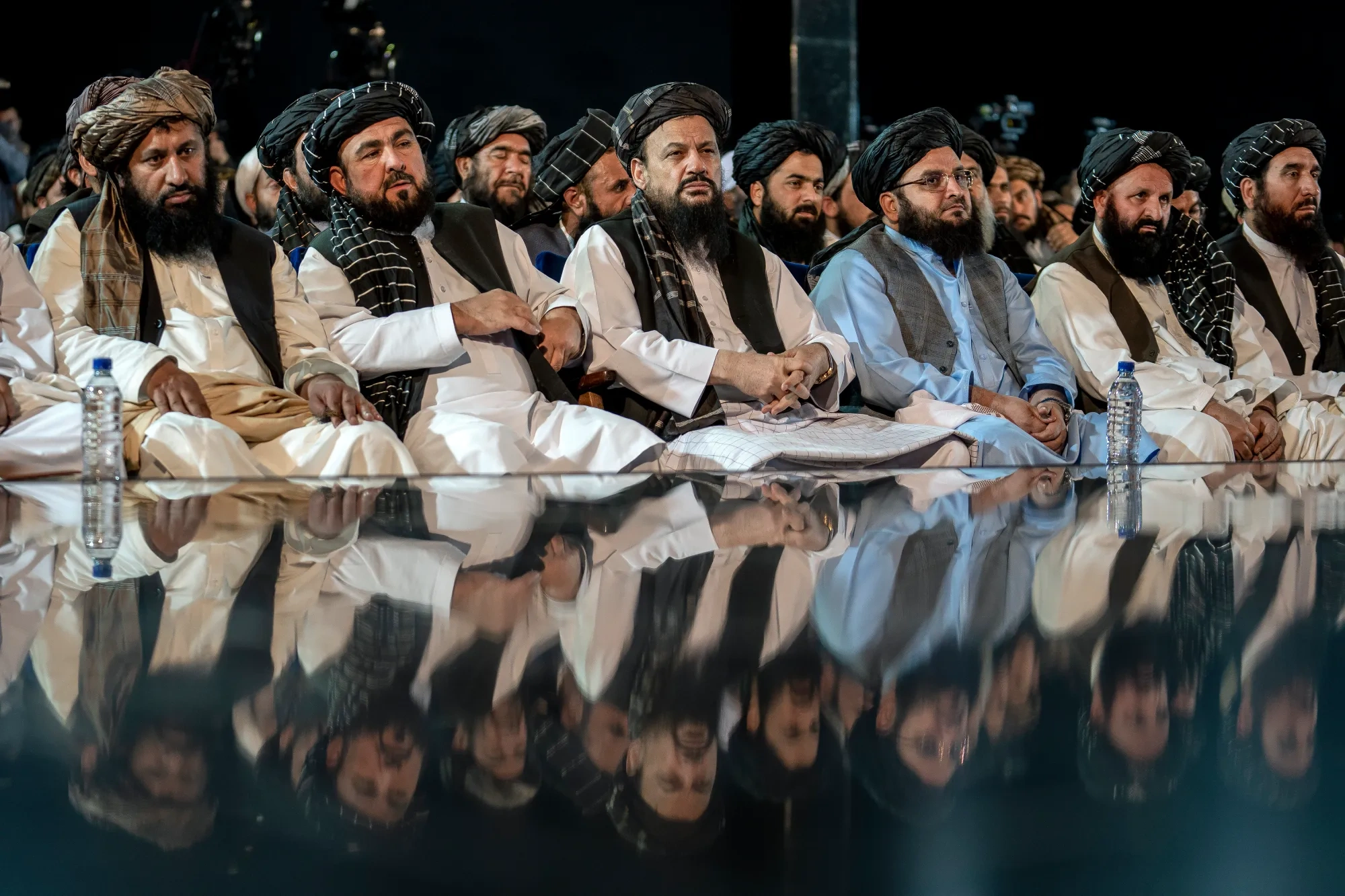
A recent report by a US based Middle East research institute has made serious claims about the Taliban leadership. It says that more than 20 percent of senior Taliban figures were previously involved in planning suicide attacks and bombings. The report suggests that these individuals were active during years of conflict in Afghanistan and later became part of the current governing structure.
According to the findings, the Taliban leadership includes people who were once linked to armed operations and militant planning. This has raised concerns among international observers about how past involvement in violence may influence present day governance. However, the report is based on historical records and does not provide evidence of current operational activity.
Meanwhile, Afghan media reports add another layer to the situation. They claim that several members of the Taliban cabinet are listed under United Nations sanctions. This includes senior figures such as interim Prime Minister Mullah Mohammad Hassan Akhund, Deputy Prime Ministers, Interior Minister Sirajuddin Haqqani, and Foreign Minister Amir Khan Muttaqi.
UN Sanctions List and International Concerns
In addition, reports state that around 13 to 14 members of the 33 member Taliban cabinet are included in the UN sanctions list. Overall, the United Nations has reportedly placed about 135 individuals and five organizations linked to the Taliban under restrictions. These measures include travel bans, asset freezes, and limits on arms related activities.
To add context, these sanctions were imposed over the years due to security concerns and past affiliations. However, their presence in the current administration has created debate about Afghanistan’s engagement with the international community.
As a result, experts believe these developments could affect Afghanistan’s diplomatic recognition and economic relations. In particular, countries may remain cautious in expanding formal ties. At the same time, Afghanistan continues to seek international engagement while balancing internal political realities.
Overall, the report highlights a complex picture. On one hand, there are claims about past militant involvement of some leaders. On the other hand, there are ongoing discussions about sanctions and global acceptance. The situation remains sensitive and closely watched by international observers.











