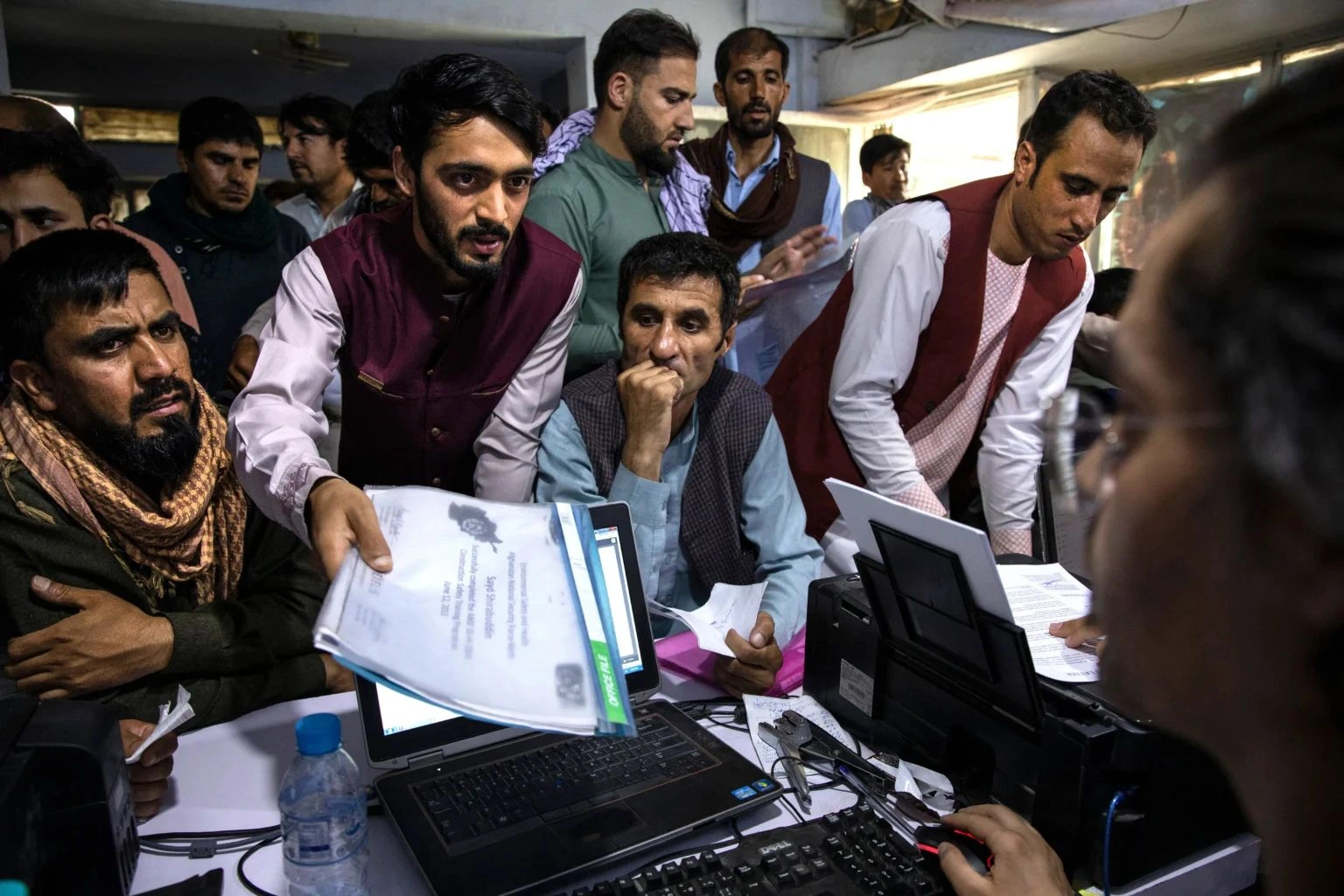
Pakistan has accelerated the return of undocumented Afghan nationals following recent border clashes with Afghanistan. Human rights organization Human Rights Watch has accused Pakistani authorities of conducting “aggressive raids, arbitrary arrests, and forced deportations.” However, Pakistani officials and legal experts have firmly rejected these allegations.
Pakistan’s Position
According to Islamabad, these individuals are no longer refugees or asylum seekers but undocumented migrants without valid travel documents. Pakistan is not a signatory to the 1951 UN Refugee Convention, and therefore, officials argue that there is no legal obligation to follow what is described as “forced repatriation.”
Right of a Sovereign State
Legal experts emphasize that every sovereign state has the right to deport foreign nationals residing illegally within its borders. Countries such as the United States, the United Kingdom, Germany, and other European nations routinely deport undocumented migrants. Pakistan, they argue, is acting within the same international legal framework to protect national security and internal stability.
Authorities stated that the renewal of Proof of Registration (PoR) cards was discontinued in 2023, and Afghan nationals were given ample time to return voluntarily. Those who remained beyond the deadline are now considered illegal residents.
Security Concerns as a Key Factor
Since October 2025, cross-border clashes between Afghanistan and Pakistan have intensified. In such circumstances, officials say no state can allow unregistered foreign nationals from a neighboring conflict-affected country to remain without scrutiny. Security operations have therefore been intensified to identify and monitor suspicious elements.
According to official figures, more than 146,000 Afghan nationals have been repatriated in 2026 alone. Authorities stress that this is not a sudden decision but part of a long-standing and structured policy.
Humanitarian Exceptions
Pakistan has clarified that humanitarian considerations are being applied on a case-by-case basis, including medical emergencies, women, children, and vulnerable individuals. However, officials note that fear and misinformation have led some families to avoid seeking assistance, which they say is being wrongly attributed to state policy.
Pakistan also stated that coordination continues with the United Nations and humanitarian agencies, and those with valid documentation are entitled to access medical and essential services.
Allegations of Propaganda Rejected
Pakistan has dismissed the Human Rights Watch report, saying it exaggerates isolated incidents and ignores decades of hospitality extended to Afghan refugees. Since 1979, Pakistan has hosted millions of Afghan nationals, providing access to education, healthcare, and livelihood opportunities.
Officials argue that while Pakistan is now acting to enforce its laws and sovereignty, some international organizations are engaging in what they describe as biased narratives.
Policy Clarification
Pakistani authorities reiterated that undocumented Afghan nationals are migrants, not refugees under international law. As Pakistan is not part of the Refugee Convention, the concept of “forced deportation” does not apply in legal terms.
Officials concluded that while Pakistan has consistently acted with humanitarian consideration, national security and rule of law remain top priorities. They urged international organizations to present facts accurately and acknowledge Pakistan’s legal position.