
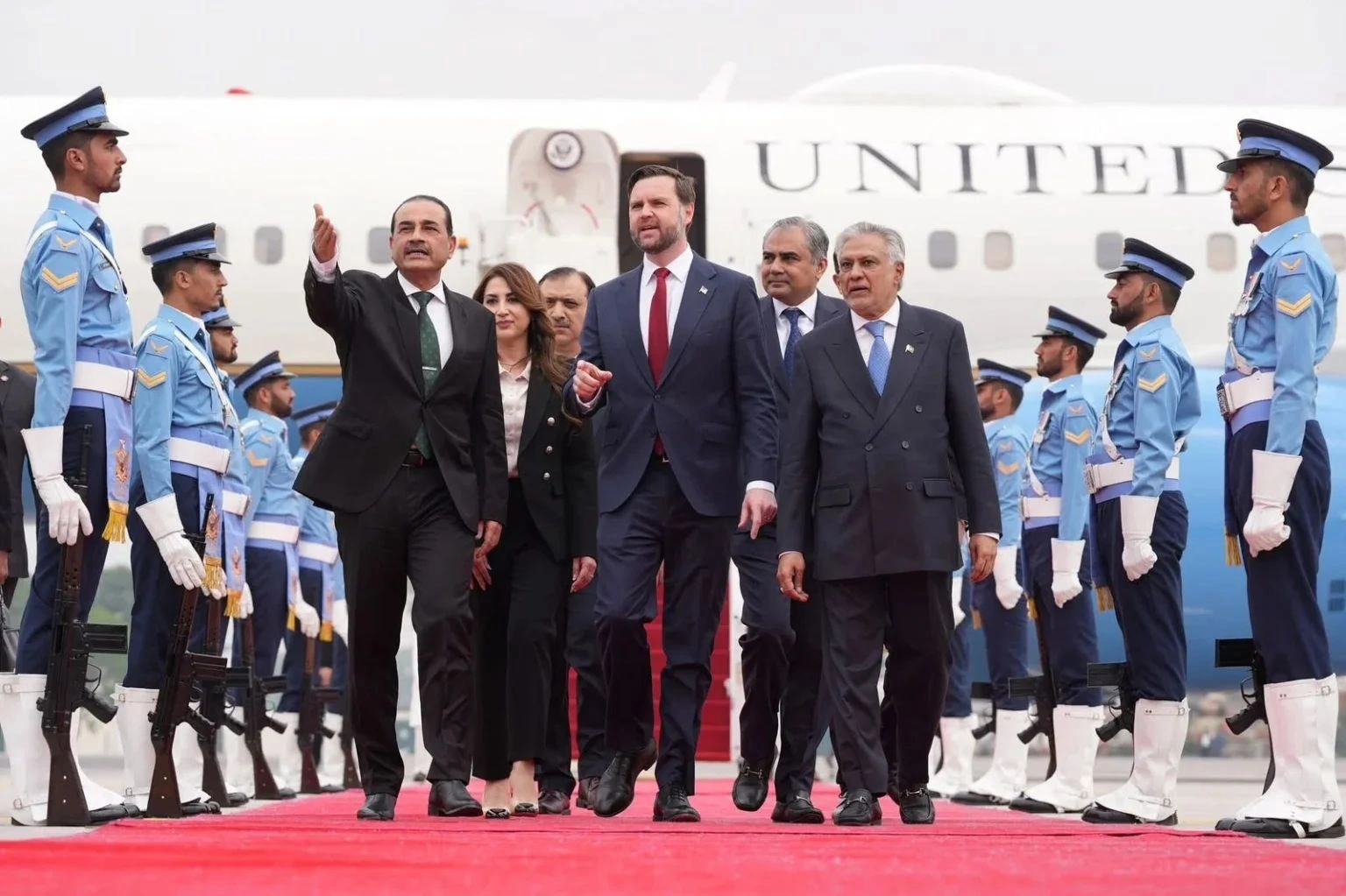
Field Marshal Asim Munir has emerged as a significant and unconventional mediator in efforts to ease long-standing tensions between the United States and Iran and revive stalled negotiations. According to a report by the Financial Times, the Pakistani Army Chief is actively working through his extraordinary diplomatic skills to bring both rival nations back to the negotiating table.
Unique Diplomatic Strategy
The report states that Asim Munir, who has previously led intelligence institutions twice, has adopted a strategy that differs from traditional diplomacy. During engagements, he reportedly maintained direct contact with Iranian political and military leadership as well as the Islamic Revolutionary Guard Corps in Tehran, while also staying in continuous communication with the White House.
US President Donald Trump, who recently described the Field Marshal as “outstanding,” is said to share strong personal ties with Pakistan’s leadership, which has played a key role in facilitating this process.
Role as an Emerging Mediator
Financial Times notes that Pakistan has now unexpectedly emerged as an important mediator in the US Iran equation. Although the process faced a setback after Iran reportedly declined to participate in talks in Islamabad on Tuesday, Pakistani officials continue efforts to reduce tensions between the two sides.
Experts believe Asim Munir’s understanding of both Iran’s internal power structure and Washington’s strategic thinking allows him to pursue a broader diplomatic approach aimed at bridging differences.
Ceasefire Extension and Diplomatic Efforts
It is also reported that the US President agreed to extend the ceasefire at the request of Field Marshal Asim Munir and Prime Minister Shehbaz Sharif, which has strengthened international confidence in Pakistan’s diplomatic role. Preparations were also made in Islamabad for a possible peace agreement, although deep mistrust between Tehran and Washington remains a major challenge.
Analysts suggest that Asim Munir’s involvement reflects Pakistan’s growing influence in regional and global diplomacy, positioning the country as a key stakeholder in efforts to reduce international tensions.











