
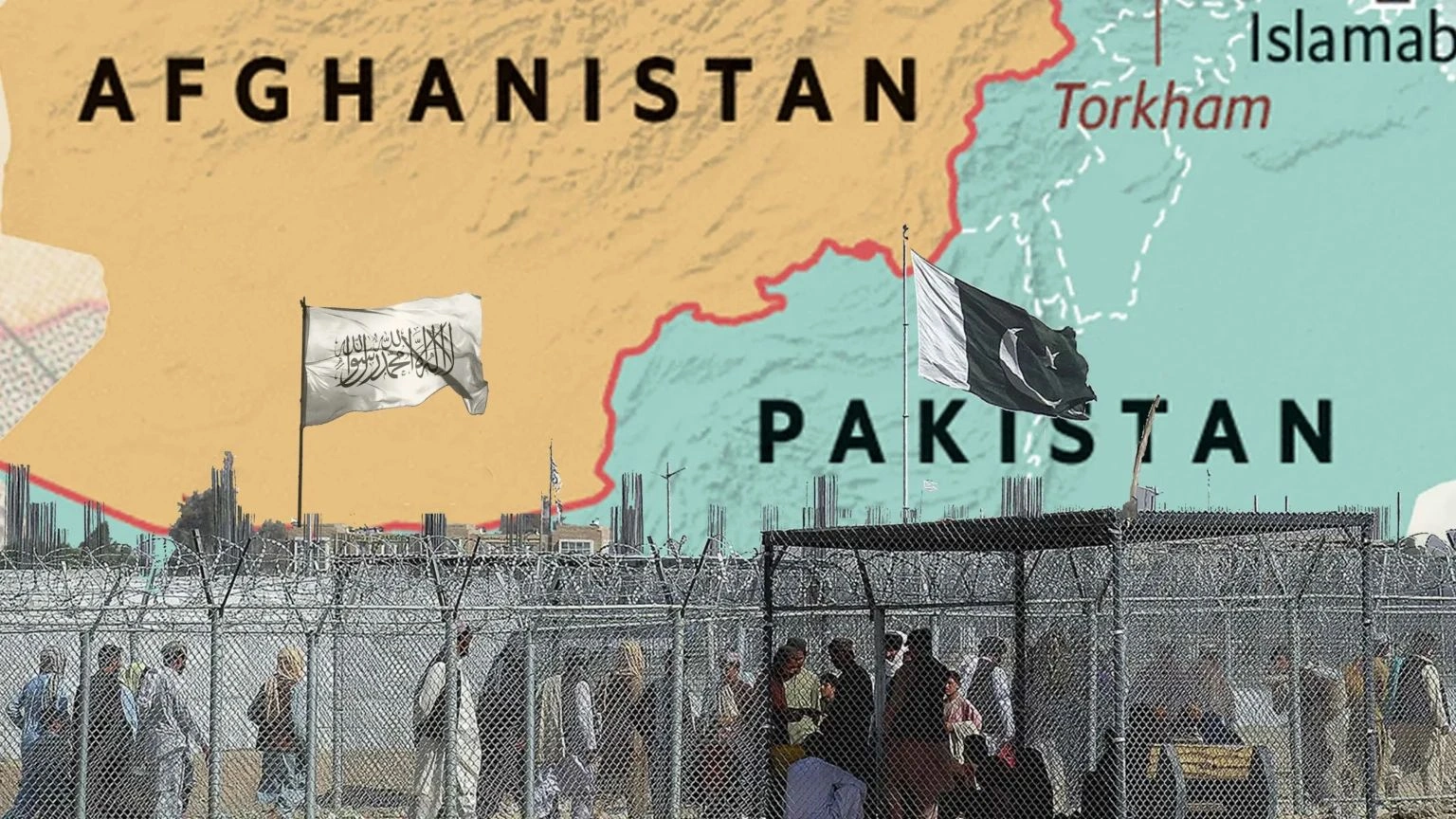
History is never static—it evolves with time and changing realities. The Pakistan–Afghanistan border, widely known as the Durand Line, has for decades been shaped by emotional politics, ethnic nationalism, and strategic mistrust. However, recent developments indicate a notable shift in Afghan political discourse, marking what many observers see as a long-overdue turning point. Ideas once treated as unquestionable in Kabul’s political circles are now increasingly being challenged by Afghan intellectuals and senior political figures.
Emerging Realism
While some figures within the Afghan Taliban, such as Noorullah Noori, continue to describe the 1893 agreement as a “barbed wire divide” and a “colonial imposition,” a growing segment of Afghan leadership is moving toward acceptance of ground realities.
Prominent figures including Mohammad Mohaqiq, Mujeeb ur Rahman Rahimi, Aziz Aryanfar, and Abdul Manan Shiwa-e-Sharq have adopted positions reflecting a broader transformation in Afghan political discourse—one that challenges long-standing assumptions and calls for pragmatic engagement.
Hazara Policy Center’s Strategic Statement
A recent declaration by the Hazara Community Policy Center represents more than a routine statement; it signals a structured and strategic shift. The institution described the Durand Line as an established reality grounded in “credible historical documentation and international law,” directly confronting emotional and populist approaches that have dominated Afghan public discourse for decades.
By asserting that “concealing facts fuels instability,” the center has reinforced a growing intellectual trend that prioritizes realism over rhetoric.
The End of the Pashtunistan Debate
One of the most significant developments is the acknowledgment by Mujeeb ur Rahman Rahimi that the concept of “Pashtunistan” no longer represents a national demand. This marks a major shift in Afghan political discourse, as diverse ethnic groups—including Tajiks, Hazaras, Uzbeks, and segments of the Pashtun elite—appear increasingly aligned on the need to move beyond historical disputes.
Criticism of past leadership has also intensified, with accusations that tensions between Islamabad and Kabul were often used for political leverage rather than national progress.
A Defining Shift
Pakistan has consistently maintained that the Durand Line is an internationally recognized border and has reinforced this stance through extensive border management measures. Now, as evolving Afghan political discourse begins to reflect similar realism, it suggests that ambitions of altering established borders are gradually diminishing.
In contrast, continued hardline rhetoric from figures like Noorullah Noori appears increasingly isolated, particularly as calls for respecting international boundaries gain momentum within Afghan society.
Conclusion
The Durand Line has come to symbolize more than a geographical boundary—it now represents a divide between emotional politics and pragmatic governance. Afghanistan’s future stability may depend on how effectively it embraces this evolving political discourse, which emphasizes legal clarity, regional cooperation, and internal cohesion.
Pakistan’s position has remained consistent and grounded in international norms. The broader question now is whether Kabul will align with this emerging realism or remain tied to outdated positions.
Sustainable regional stability depends not on slogans, but on respect for international borders and peaceful coexistence. This shift in Afghan political discourse, though gradual, could mark a critical step toward long-term peace.











