
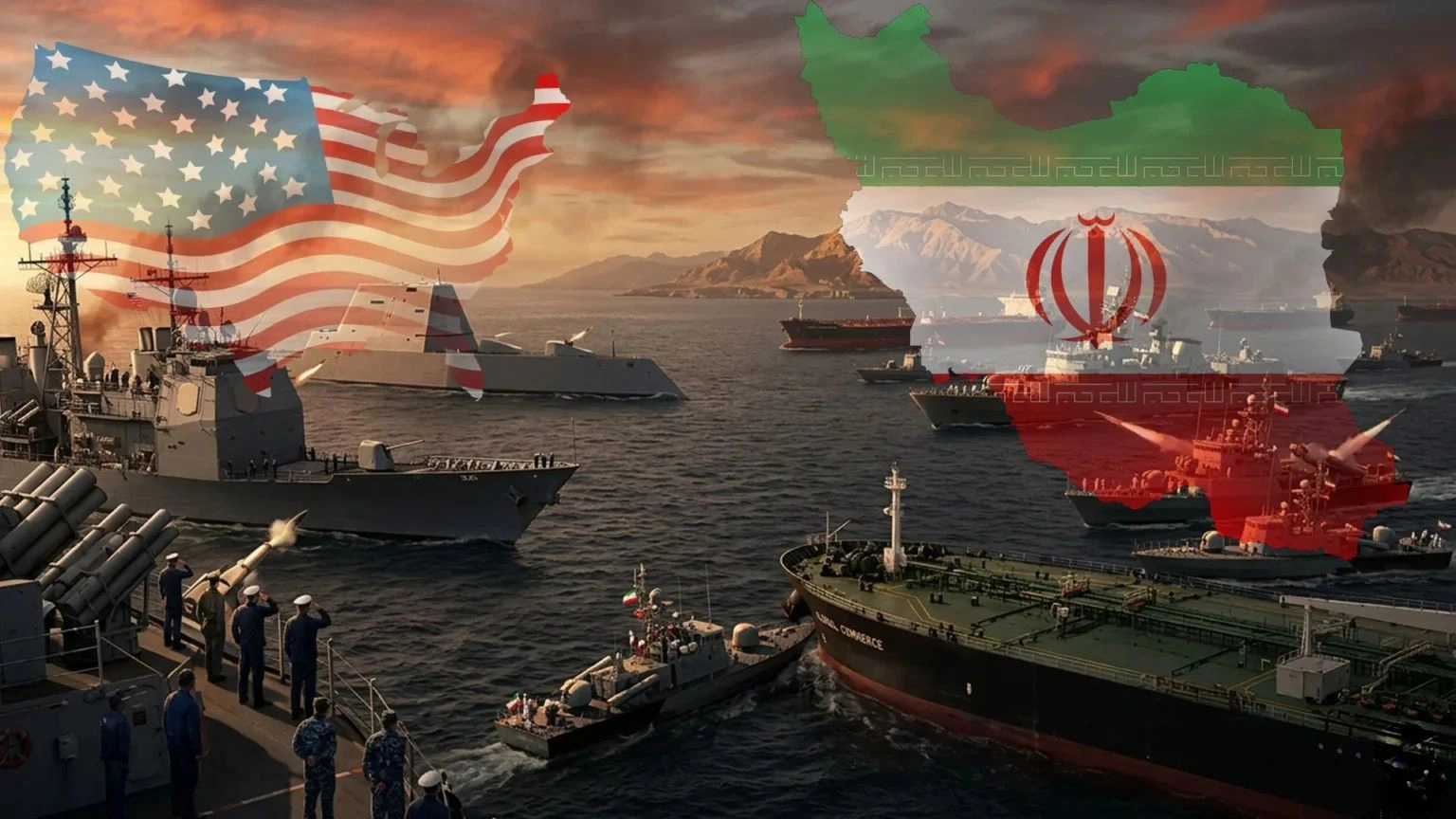
The situation in the Strait of Hormuz has emerged as a major flashpoint in regional geopolitics, with analysts suggesting that the United States is using the maritime chokepoint as strategic leverage in its broader confrontation with Iran.
Just days ago, Iran appeared unwilling to engage in negotiations, while Pakistan was reportedly navigating a complex diplomatic situation. However, Iran’s Foreign Minister unexpectedly traveled to Pakistan, a move that observers link to rapidly evolving regional dynamics.
Competing Strategic Scenarios
Analysts outline several possible factors behind the shift. One scenario suggests that the United States aims to exert pressure on Iran through the threat or reality of a blockade in the Strait of Hormuz, a vital global energy route. Another points to a recent meeting in the United Kingdom involving military representatives from over 30 countries, where discussions reportedly included options for securing the strait and potentially forming a multinational naval framework.
Such developments, if implemented, could reduce Iran’s influence over the strategic waterway and reshape regional security alignments. Some observers also suggest that Washington may be using this pressure to push Iran toward negotiations under unfavorable conditions.
Economic and Military Strain
Reports indicate that a large number of military personnel, fighter aircraft, and naval vessels are involved in the broader maritime security environment around the Strait of Hormuz. Iranian sources, however, describe significant economic strain caused by sanctions, restricted trade routes, and mounting internal pressure.
According to cited Iranian media, economic disruptions have led to major losses in purchasing power, factory closures, and rising unemployment. Estimates of war-related economic damage have also been cited by Iranian officials, although these figures remain unverified independently.
Diplomatic Calculations
Analysts believe that Washington is attempting to maximize diplomatic leverage by maintaining pressure while leaving room for negotiations. Iranian officials, meanwhile, are closely assessing the situation and evaluating potential diplomatic options.
The Iranian Foreign Minister’s visit to Pakistan is seen as part of broader diplomatic consultations aimed at understanding international positions and exploring possible mediation pathways.
Former US President Donald Trump has previously expressed optimism about reaching a “durable agreement” with Iran, although significant gaps remain between both sides.
Uncertain Outlook
Experts say the coming days will be critical in determining whether tensions escalate further or move toward a negotiated settlement. While a large-scale war is considered unlikely by some analysts, continued pressure, limited confrontations, and heightened rhetoric remain possible.
Pakistan is reportedly continuing diplomatic efforts to prevent further escalation and reduce the risk of a wider regional conflict.











