
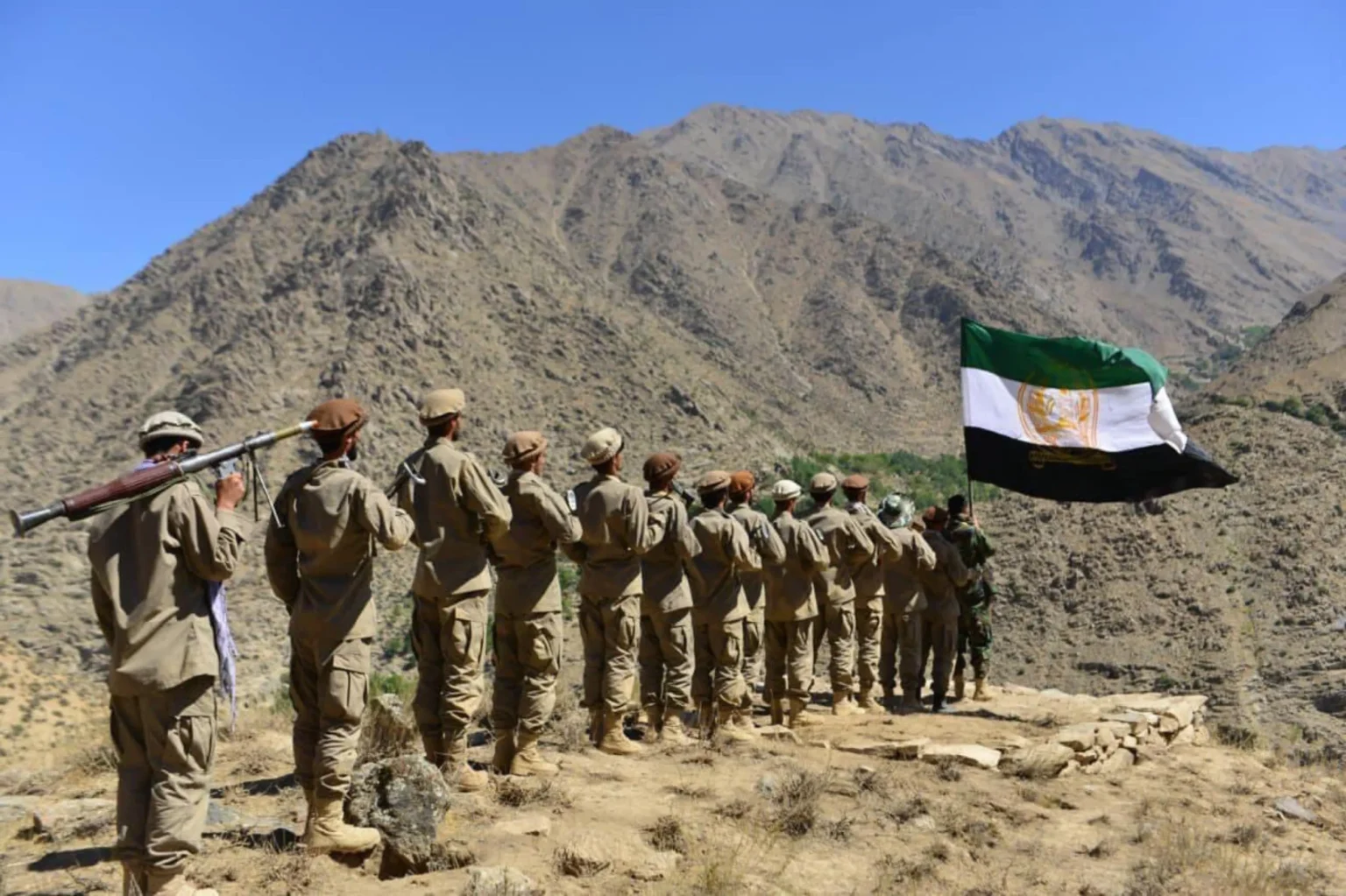
The National Resistance Front, commonly known as NRF, has reportedly announced that it now considers the Durand Line as the official international border between Afghanistan and Pakistan. The statement is being described as a significant shift in position from earlier Afghan political narratives.
According to senior NRF representatives, this move reflects what they call the practical realities on the ground. They also claim that a large portion of Afghan citizens prefer peaceful relations with Pakistan rather than ongoing border disputes. The announcement has been presented as a step toward stability and cooperation in the region.
Transitioning from past positions, the NRF leadership linked this change to a broader desire for regional peace. They suggested that long standing disagreements over the border have created unnecessary tension and should now give way to dialogue and mutual understanding.
The National Resistance Front of Afghanistan(#NRF), led by Ahmad Massoud, recognizes the Durand Line as an official, legal, and internationally recognized border. This reflects an important political reality: nearly 80% of the people of Afghanistan have no territorial or border… pic.twitter.com/tjb6C5fZcp
— ڪج ڪلاه (@kachkula) April 26, 2026
Implications for Regional Peace and Future Relations
Following the announcement, political observers say the statement could influence future discussions between Kabul and Islamabad. If such a position gains wider acceptance, it may open space for improved diplomatic engagement between the two neighbours.
In addition, analysts believe that clearer acceptance of border arrangements could help reduce friction in border areas. It may also support joint efforts in trade, security coordination, and movement of people across the border. However, they also note that political realities in Afghanistan remain complex and divided, and it is not yet clear how widely this position is supported.
Meanwhile, the timing of the statement is also being discussed. The region continues to face security and economic challenges, and any shift in stance on such a sensitive issue is expected to draw attention from both domestic and international actors.
In conclusion, the reported position of the NRF marks a notable development in the ongoing discourse around the Durand Line. Whether this leads to long term policy change or remains a political statement will depend on future responses from Afghan stakeholders and the broader regional environment.











