
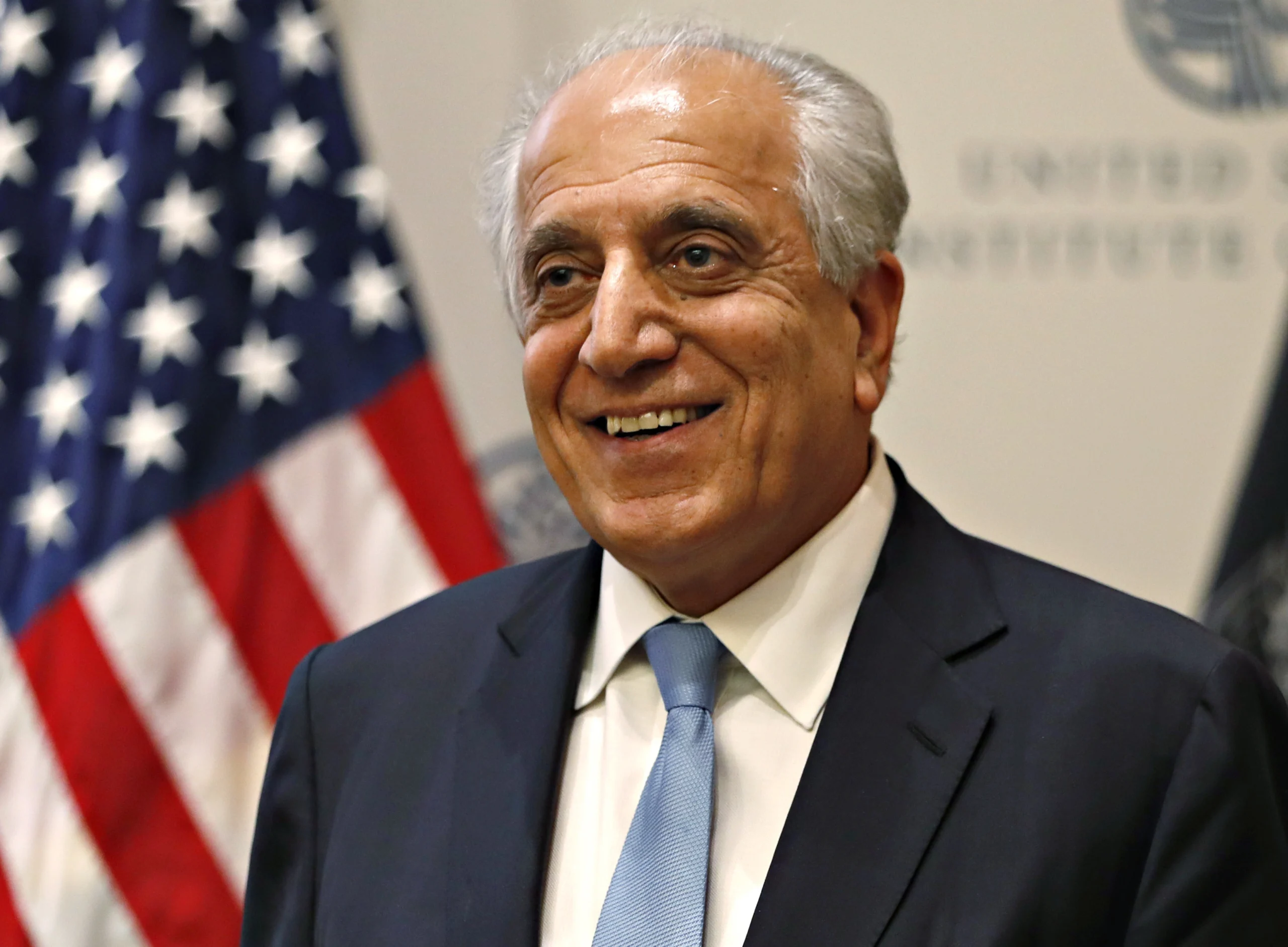
Pakistan has strongly rejected recent allegations made by former US special envoy Zalmay Khalilzad suggesting that Pakistan was involved in an attack on a university in Kunar province of Afghanistan.
The claims, shared in a social media post, sparked sharp criticism from commentators and policy observers who described them as unfounded and lacking credible evidence.
Calls for Evidence-Based Assessment
Critics argue that such assertions appear to rely on unverified reports rather than established facts. They caution against premature conclusions that could further strain already sensitive regional relations.
Some analysts also pointed out that drawing immediate blame without independent verification risks undermining diplomatic efforts aimed at regional stability.
There are reports that #Pakistan has attacked Kunar University in #Afghanistan, killing 4 and injuring 70. Pakistan has denied the reports. Unfortunately, Pakistan's denials have repeatedly proven to not be credible. Just a few weeksI ago, it attacked a hospital, killing around…
— Zalmay Khalilzad (@realZalmayMK) April 27, 2026
Background of Khalilzad’s Role
Zalmay Khalilzad, who previously served as a key US negotiator in Afghanistan, has been a prominent figure in discussions surrounding the country’s political transition. However, his recent remarks have drawn scrutiny from those who question the accuracy and timing of his claims.
Observers note that Afghanistan’s security landscape remains highly complex, with multiple actors operating independently, making attribution of incidents particularly challenging.
Regional Sensitivities Highlighted
Security analysts emphasize that misinformation or premature accusations can complicate already fragile regional dynamics. They stress the importance of relying on verified intelligence and coordinated investigations before assigning responsibility for such incidents.
Pakistan has not issued an official response beyond rejecting similar allegations in the past, maintaining that accusations without evidence are counterproductive to peace and stability in the region.











