
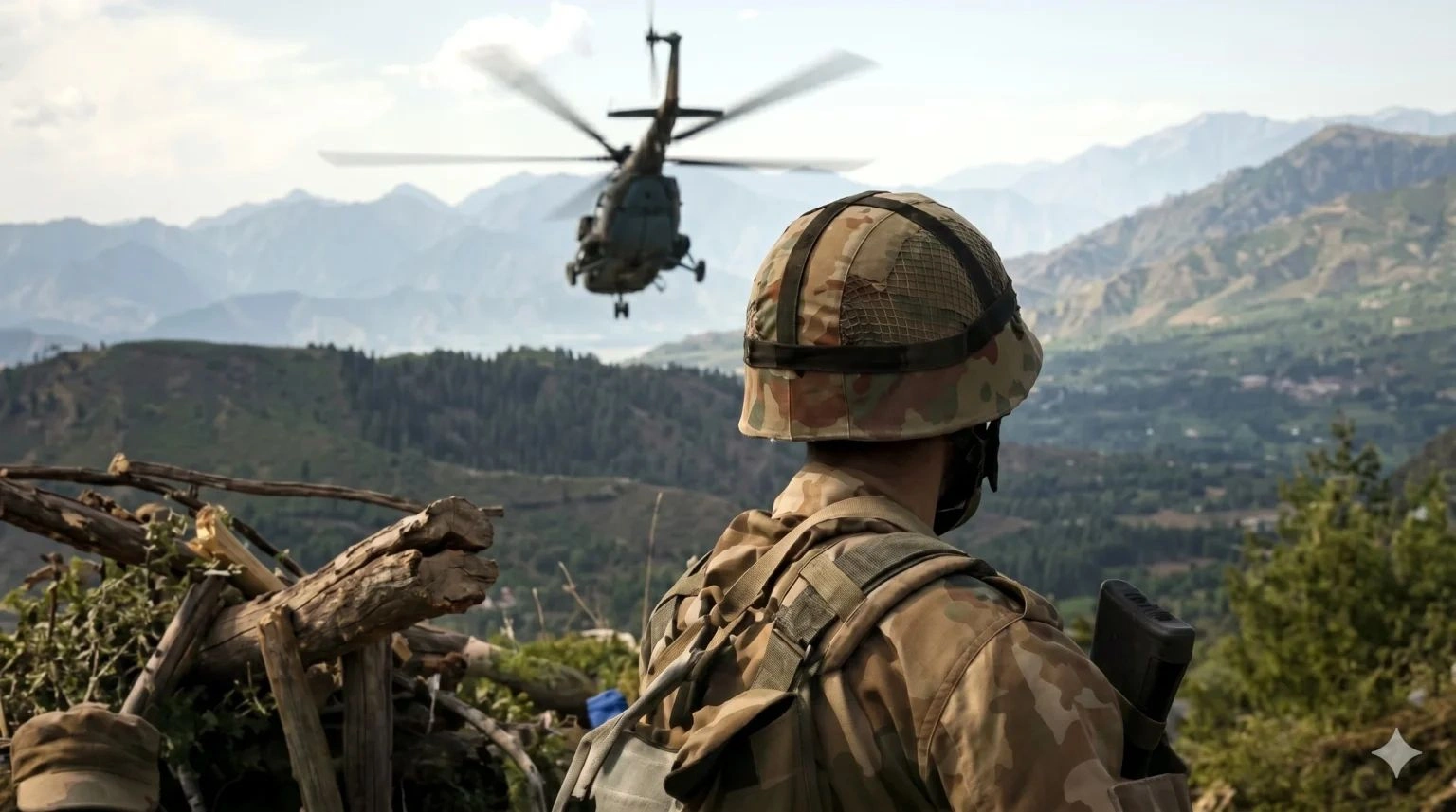
Security sources in Pakistan say that the ongoing Operation Ghazab-ul-Haq is not limited to any single militant group but targets all organizations involved in destabilizing the country, including the Tehrik-i-Taliban Pakistan, the Balochistan Liberation Army, as well as Daesh Khorasan and other banned outfits.
Officials and defence analysts describe recent intensified operations against the BLA as part of a continuing phase of the same broader counterterrorism campaign, rather than the opening of a new military front.
Ongoing Phase of Established Operation
According to security observers, the increased activity against BLA elements represents an operational extension of the existing strategy. They argue that interpretations describing it as a “new front” are misleading and reflect a misunderstanding of ongoing military planning.
Authorities maintain that the campaign has always been structured to dismantle all militant networks threatening national stability, and recent developments are simply part of its evolving phases.
Emerging Signals of a New Front
— BILAL SARWARY (@bsarwary) April 27, 2026
There are growing indications that elements within GHQ Rawalpindi and (ISI) is opening a new front against the Balochistan Liberation Army (BLA), with signs that this approach could extend into Afghan territory and will intersect with dynamics…
Rejection of Proxy War Claims
Some social media narratives have suggested the involvement of external proxies or loosely organized groups allegedly operating across borders. Security analysts, however, say these claims lack verified evidence and often misrepresent the fragmented nature of militant activity in border regions.
They add that clashes in areas such as Nushki and other border districts are better understood as part of internal militant rivalries and cross-border movement of already established groups, rather than coordinated state-backed proxy structures.
Security Posture and Policy Direction
Pakistan’s official stance remains that counterterrorism operations are being conducted within its sovereign territory against all hostile elements without discrimination. Authorities emphasize that the situation along the Durand Line reflects tightening pressure on militant networks rather than the emergence of a new operational theatre.
Officials reaffirm that operations will continue until all groups threatening national security are neutralized, calling it a consistent and long-term security policy rather than a shifting strategy.











