
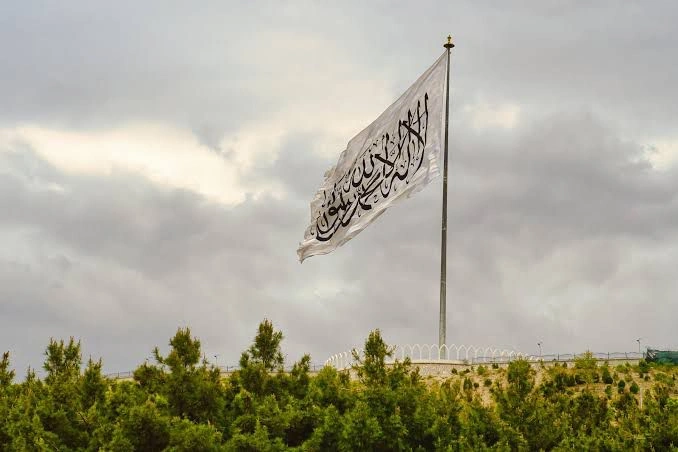
The Islamic Emirate of Afghanistan has enacted a comprehensive new law bringing the country’s entire system of religious preaching and outreach under full government control. The 17-article legislation sets ethical and academic standards for preachers but has also raised serious questions about religious diversity and jurisprudential freedom in the country.
Under the new law, only individuals following the Hanafi school of thought will be allowed to carry out preaching activities in Afghanistan. Articles 6 and 14 explicitly prohibit non-Hanafi individuals from engaging in religious outreach, a move that has triggered concern among other sects and schools of thought present in the country.
Restriction to a Fixed Curriculum
The law requires preachers to strictly limit their sermons and discussions to a standardized curriculum prepared by the Ministry. They are also prohibited from raising controversial or secondary jurisprudential issues. While the objective is described as promoting religious harmony, academic circles warn it may lead to intellectual stagnation.
Religious and scholarly observers argue that the true tradition of Ahl-e-Sunnah has always been based on moderation. They say that enforcing a single jurisprudential framework in a diverse society contradicts international principles of religious freedom and Islamic traditions of tolerance.
Scholarly Criticism
The academic response to the law highlights three main concerns. First, the restriction of non-Hanafi preachers is viewed by many as a form of religious coercion. Second, limiting discourse to a state-approved curriculum may hinder jurisprudential development. Third, excessive emphasis on obedience to authority risks transforming preachers from independent reformers into state functionaries.
Administrative Oversight System
Under the new framework, a central ministry directorate will oversee policy formulation and monitoring, while provincial offices under the Islamic Emirate will evaluate the performance of preachers. With the enforcement of this law, all previous regulations have been annulled, and all state officials and affiliated forces have been instructed to fully cooperate with religious preachers.











