
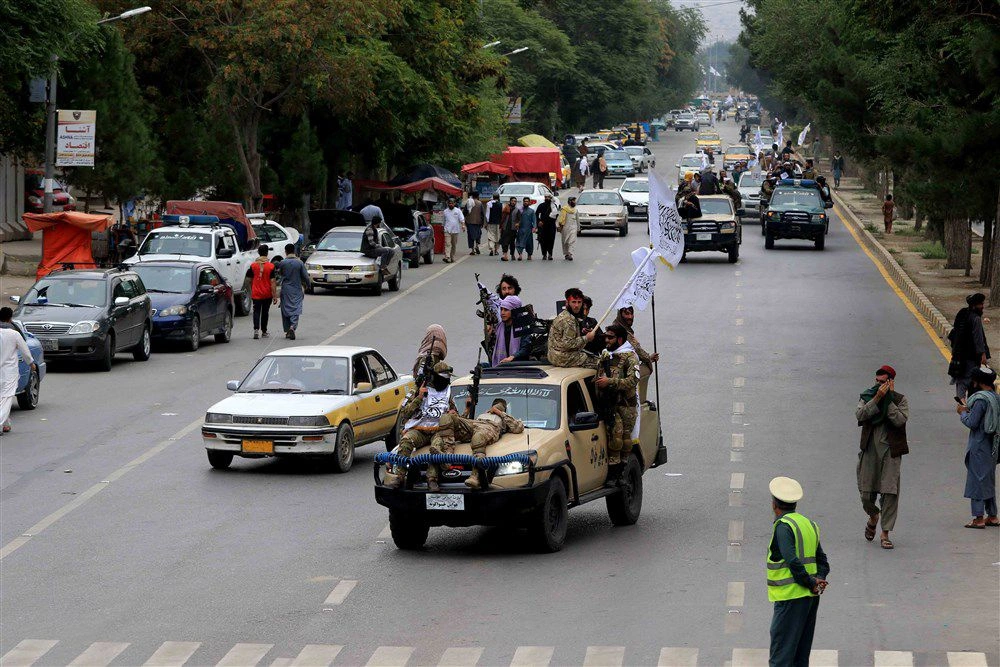
A video circulating on social media shows a man being flogged in Afghanistan, sparking widespread concern and debate over human rights practices in the country.
The footage has spread widely online and drawn criticism from observers, who say it raises serious questions about due process and the treatment of detainees.
Video from Afghanistan have raised concerns over alleged targeted actions and human rights abuses affecting Tajik communities under the Taliban administration Taliban. Observers say fears are growing in minority-populated areas amid claims of intimidation, arrests, and enforced… pic.twitter.com/Xr6C50K710
— HTN World (@htnworld) April 29, 2026
Concerns Over Treatment of Ethnic Communities
Alongside the video, growing concerns have been raised regarding the treatment of ethnic communities in Afghanistan, including Tajik and Hazara populations. These concerns point to restrictions affecting social and educational freedoms, as well as limited participation in certain academic and public platforms.
Reports from various areas also highlight sensitivities around religious and ideological discussions in some institutions, particularly involving minority groups. Observers point to activities in certain educational settings, including reported seminars and academic sessions in institutions in Ghazni, where discussions have focused on religious beliefs of Shia communities. These developments have raised concerns about pressure related to religious identity and freedom of belief.
Human Rights Concerns
Human rights observers continue to stress the need for transparency, accountability, and equal protection of rights for all citizens in Afghanistan, regardless of ethnicity or sect. They emphasize the importance of safeguarding fundamental rights and ensuring fair treatment under the law.
At the same time, concerns are growing over an increase in discriminatory and abusive behavior toward certain communities, particularly Shia populations. These concerns include religious restrictions, social pressures, and challenges in accessing even basic rights.
Reports also point to the presence and activities of armed groups in some areas, contributing to an atmosphere of fear, harassment, and insecurity among civilians. Incidents such as intimidation and criminal acts, including theft, have further affected daily life and heightened public anxiety.
Observers warn that the continuation of such conditions could have serious consequences for social stability, national cohesion, and the overall human rights situation in the country, underscoring the urgent need for attention and effective measures to address these challenges.
Conclusion
The video has intensified ongoing debate about governance, human rights, and social inclusion in Afghanistan, drawing increased attention to the need for accountability and protection of civil liberties.











