
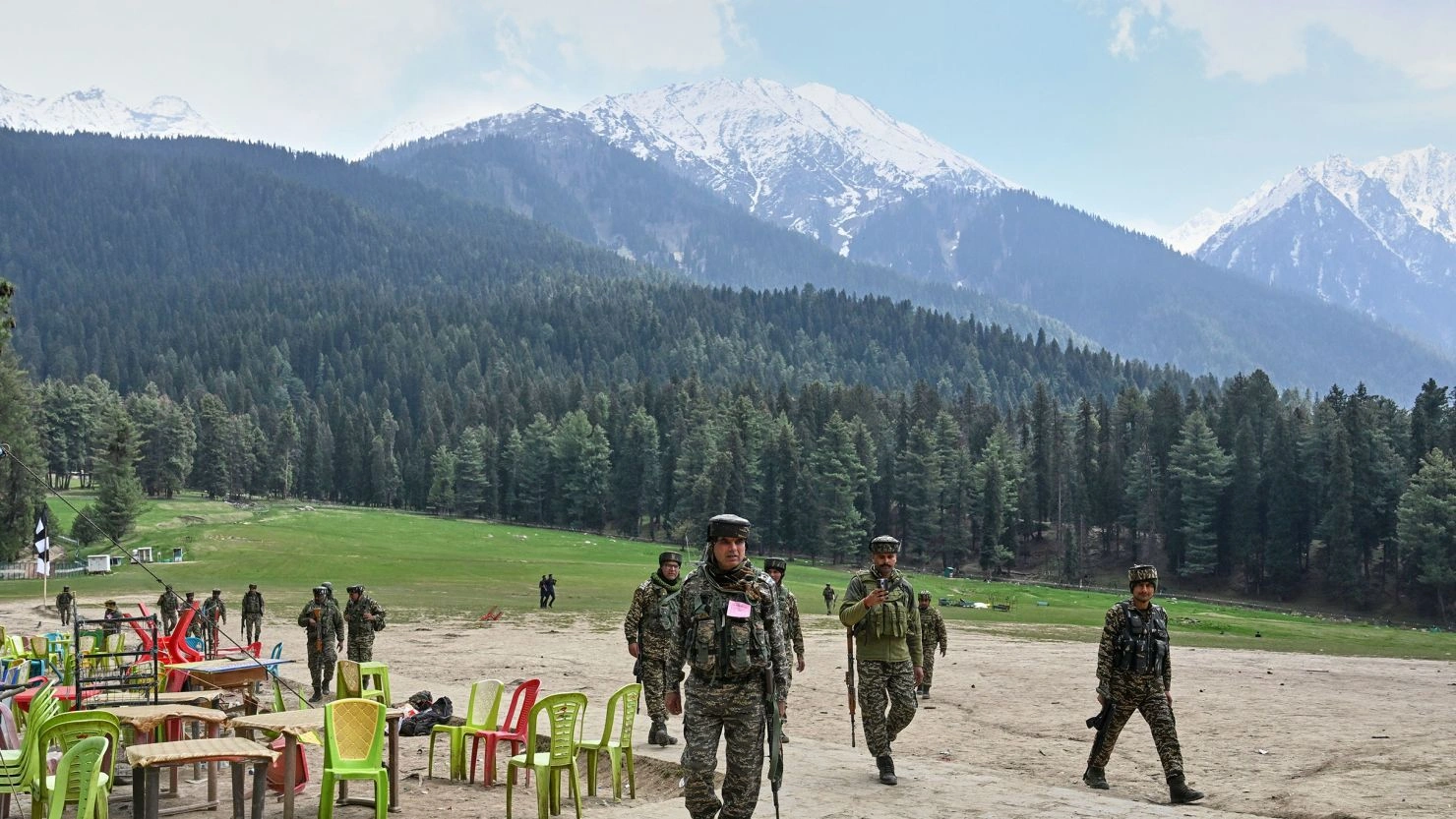
The Pahalgam incident in India-occupied Jammu and Kashmir has passed more than a year, yet its political and diplomatic consequences continue to cast a long shadow over South Asia’s strategic landscape.
Legal expert Hassan Aslam Shad and analyst Dr. Rabia Akhtar, in their assessments, argue that the episode reflects a deeper and more troubling reality in which evidence-based legal processes are increasingly being replaced by politically driven narratives, particularly in situations involving nuclear-armed states.
Emotion Versus Evidence
In the immediate aftermath of the attack, Indian authorities and sections of the media were quick to direct blame toward Pakistan without what critics describe as a transparent and verifiable investigative process. According to international legal standards, any cross-border attribution of responsibility requires clear and credible evidence, including effective or overall control, before force or punitive measures can be justified.
Analysts note that legal precedent does not support the use of force based on allegations or loosely defined associations. They argue that emotional responses replaced evidentiary discipline, weakening the credibility of the overall narrative.
Pakistan’s Diplomatic Response
During the crisis, Pakistan extended a proposal for joint and impartial investigations, which officials described as a standard international practice aimed at establishing facts through cooperation rather than confrontation.
Historical examples such as the MH17 airliner downing in 2014 and the 1988 Lockerbie bombing are cited as cases where international actors opted for joint inquiry mechanisms rather than unilateral conclusions or immediate escalation.
Observers say Pakistan’s approach aligned with established norms of international accountability, while the refusal of such mechanisms by the other side raised questions about intent and transparency.
Operation Sindhoor and Regional Tensions
The continued ambiguity surrounding “Operation Sindhoor” has been described by analysts as a destabilising factor for regional peace. They argue that keeping military responses in a prolonged state of uncertainty contributes to strategic instability and heightens the risk of miscalculation between nuclear-armed neighbours.
Border tensions, including clashes reported in May 2025, are viewed as warning signs of how quickly misinformation and unverified claims can escalate into broader crises.
Media’s Role in Escalation
The role of Indian media has also come under scrutiny, with critics accusing segments of the press of abandoning journalistic neutrality and turning news platforms into opinion-driven forums that issue premature judgments without verified evidence.
This trend, often described as “post-truth journalism,” is seen as contributing to public polarization and reducing space for diplomatic resolution.
Conclusion
Analysts warn that the Pahalgam episode underscores the dangers of replacing legal standards with political narratives in nuclearized regions. They stress that sustainable peace in South Asia requires adherence to international law, evidence-based investigation, and restraint over emotional or politically motivated reactions.
Without such discipline, experts caution that future misunderstandings could escalate into crises with irreversible consequences.











