
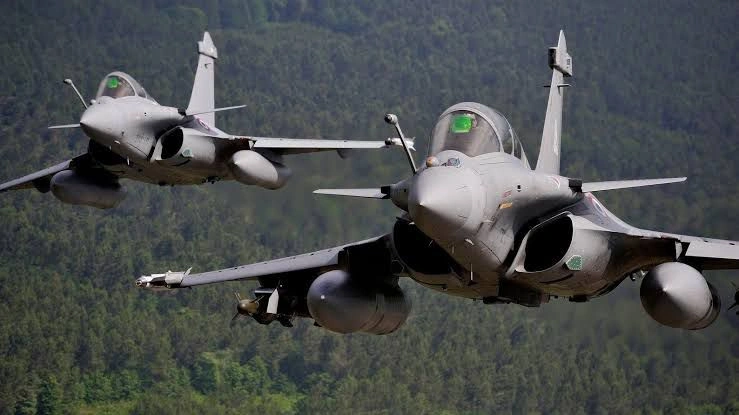
The United Arab Emirates has decided to withdraw from a €5 billion joint development project with France for the Rafale F5 “Super Rafale” fighter jet. The move comes after serious disagreements between the two countries over the transfer of sensitive military technology.
According to sources, the UAE maintained that it would only continue funding the project if it was granted full access to advanced and sensitive technologies. However, France’s reluctance to meet this demand and delays in sharing technical information led the UAE to formally pull out of the funding arrangement, leaving France to bear the full financial burden of the project.
UAE withdraws from the €5 billion Rafale F5 “Super Rafale” development project.
— سيف الدرعي| Saif alderei (@saif_aldareei) April 29, 2026
After disagreements over sensitive technology transfer, the UAE will not participate in funding. France will now cover the full cost.
The existing deal for 80 Rafale F4 jets remains unchanged.
This… pic.twitter.com/3fHshq2guu
Existing Deal Remains Intact
Emirati officials have clarified that the withdrawal from the Super Rafale development project will not affect the existing agreement for 80 Rafale F4 fighter jets. That deal remains in place and deliveries will continue according to the agreed schedule, as it is related to aircraft procurement rather than joint technological development.
Strategic Position and Message
Defence analysts say the decision reflects a clear and evolving strategic shift in the UAE’s defence policy. The country is no longer positioning itself as a mere buyer but increasingly as a partner demanding meaningful technology transfer and industrial cooperation.
The move is being seen as a message to global arms manufacturers that future major defence deals will increasingly depend on genuine technological sharing rather than simple sales agreements.











