
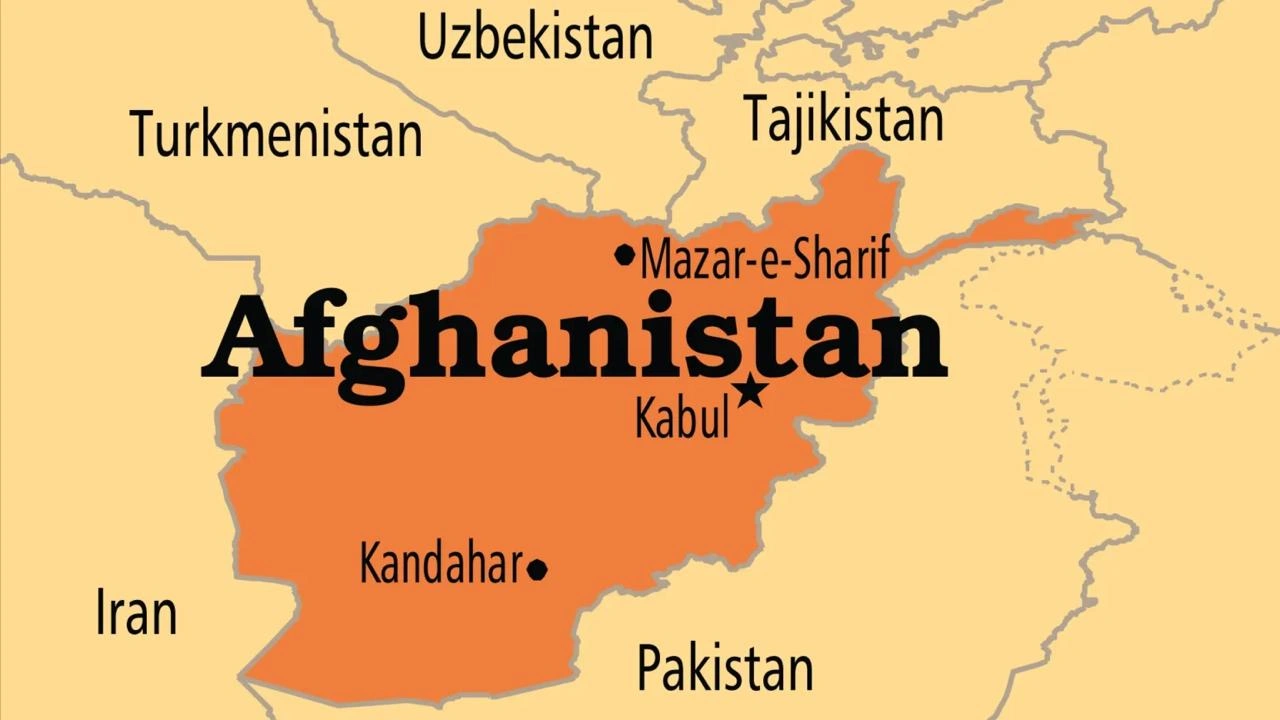
Afghanistan currently stands at a historic crossroads where, on one side, the hardline policies of the Taliban are suffocating the public, while on the other side, new waves of rebellion are emerging from this very stifling environment. Recent reports and ground realities reflect the bitter truth that the imposed silence in the name of peace is now proving to be the precursor of a major storm.
The darkest chapter of the ongoing humanitarian crisis in Afghanistan is the abuse being inflicted on women. Since taking power, the Taliban have pushed half of the population out of economic and educational participation, and now the scope of their humiliation has extended into private lives and human dignity. Public beatings and arrests of women on minor grounds such as not wearing the burqa on the streets of Kabul have become a major question mark for the global conscience.
According to the United Nations, only 7 percent of Afghan women remained employed in 2024, a situation described as economic suicide. Even more disturbing reports have emerged from areas such as Paktika, where women have been assigned a “price,” effectively turning them into commodities. This practice is not only against Islamic teachings but also a stain on Pashtun traditions, where women are being treated as “purchased slaves,” marking the peak of social degradation.
Internal Resistance
The Taliban’s claim that their government represents all Afghans is increasingly being rejected at the internal level. A statement by former Paktia governor Muhammad Haleem Fidai, emphasizing that the government should not belong to a select group of clerics or a single ethnicity, exposes Taliban ethnic dominance. Statistics show that 85 to 95 percent of Taliban leadership consists of Pashtuns, while 58 percent of the non-Pashtun population is completely excluded from decision-making processes.
This systematic exclusion and ethnic monopoly has fueled rebellion in regions such as Badakhshan. The declaration of revolt by local non-Pashtun commanders, including Zabat Karim from Dara Khastak, indicates that the Taliban’s central control is weakening. The question raised by the people of Badakhshan—why their homes are being occupied under the pretext of eradicating poppy cultivation from Helmand and Kandahar—reflects deep mistrust now turning into armed confrontation.
Struggle for Survival and Political Turmoil
Marshal Abdul Rashid Dostum’s appeal to Tajik, Hazara, and Uzbek communities to awaken, along with his announcement of a new military plan in coordination with Ahmad Massoud, indicates that Afghanistan is once again moving toward internal civil conflict. When a state deprives its citizens of identity, language, culture, and basic human rights, resistance becomes an inevitable response.
Conclusion
The current situation in Afghanistan does not represent the victory of any single group but rather the failure of the entire Afghan nation. The inclusion of global terrorist groups like Al-Qaeda within the governing structure and the rise of multidimensional poverty to 64.9 percent confirm that this rigid system based in Kandahar has turned the country into a failed state. The international community and moderate elements within the Taliban must understand that without restoring women’s rights and establishing an inclusive government, lasting peace in Afghanistan will remain only a dream. This struggle for survival is no longer confined to the mountains; it is now burning in the hearts of every Afghan seeking dignity and freedom.











