On the evening of 10 May 2025, I briefly went to a nearby park in my residential society. It was a moment filled with mixed emotions. On one hand, there was grief over the loss of precious Pakistani lives in what was seen as a cowardly and deceptive attack by our long-standing adversary, including civilian casualties in Bahawalpur after a missile strike. On the other hand, there was a sense of relief and pride that the Pakistan Armed Forces had delivered a decisive and humiliating response to the enemy. The arrogance and overconfidence of the Indian side ended in severe embarrassment.
Sitting quietly in a corner of the park, I kept reflecting while hearing the joyful voices of children nearby. Words of gratitude were on my lips as I repeatedly read a social media post by former US President Donald Trump announcing a ceasefire between Pakistan and India. A deep feeling emerged that, by the grace of God, Pakistan had stood firm, responded effectively, and proven its resilience. With gratitude, it felt as though Pakistan had emerged victorious.
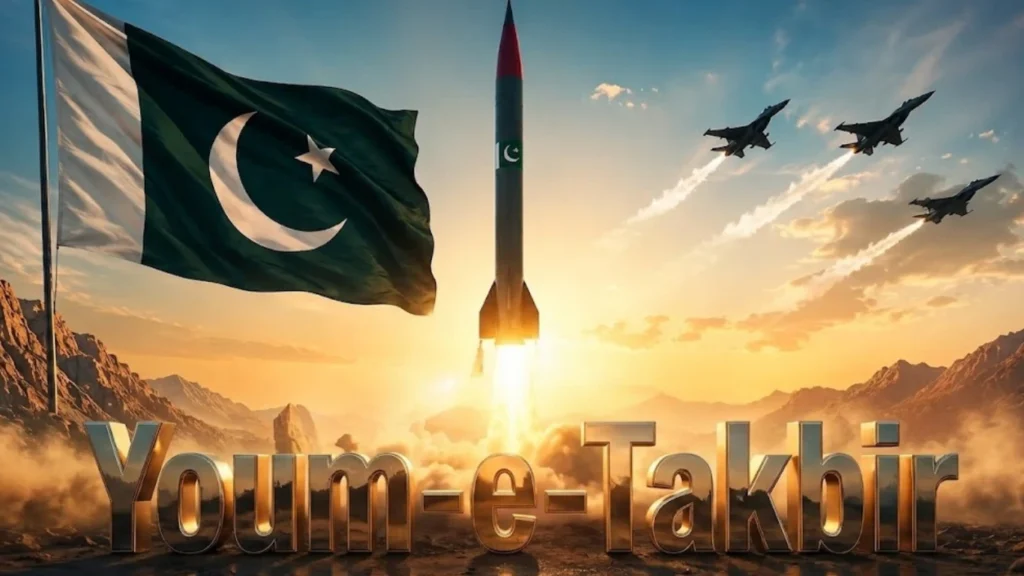
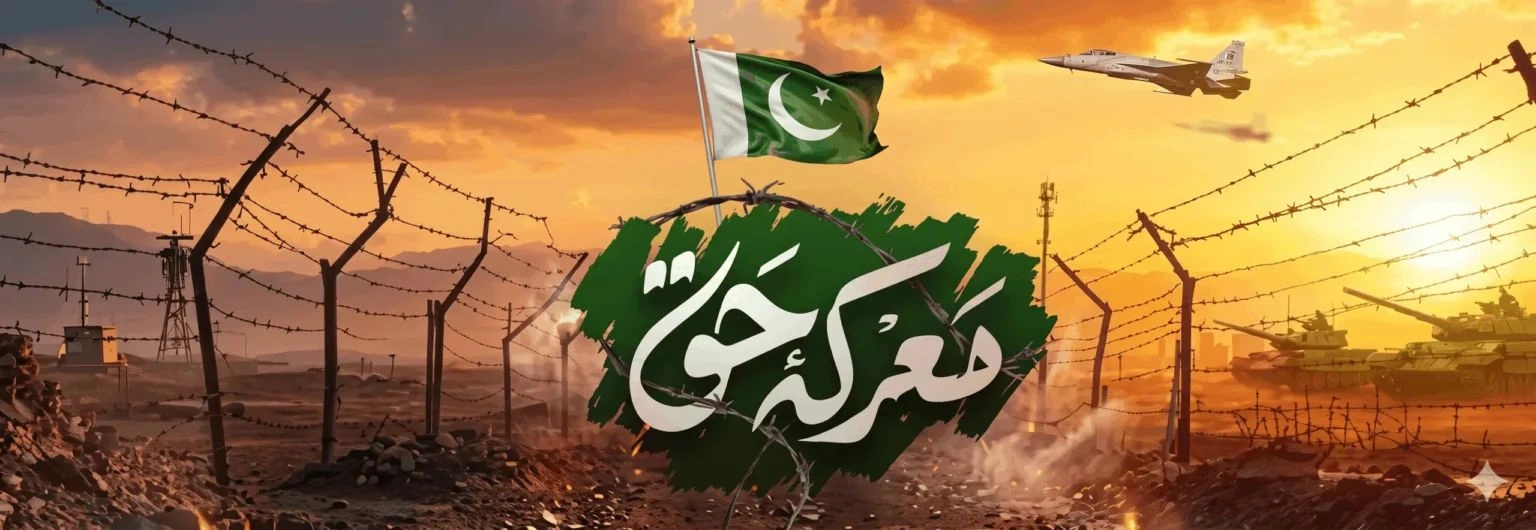
Today, one year has passed since that Maarka-e-Haq. It is time to reflect with a calm mind on what truly emerged from those four days in May and what Pakistan gained or lost in the process. Honestly, when I look back, Pakistan appears to have gained far more than it lost, all by the grace of God.
Air Warfare Front
The air conflict is where the most significant developments took place. When India launched “Operation Sindoor,” global expectations were that advanced French-made Rafale jets would dominate the battlefield. Most defence analysts believed India held a clear technological advantage.
However, that assumption proved wrong.
During the decisive phase of the conflict, Pakistan Air Force engaged in one of the largest aerial battles in recent history, involving over 100 aircraft. Several Indian jets were shot down, including Rafales, while Pakistan did not lose a single aircraft. Different estimates suggest six to eight Indian aircraft were destroyed.
Pakistan Air Force leadership later confirmed the destruction of advanced enemy assets, including air defence systems and disruption of logistical and communication networks.
The key question raised globally was: how did Pakistan achieve this with comparatively limited resources?
The answer lies in the system.
Pakistan Air Force success was not just about pilots or aircraft, but a fully integrated network-centric warfare system connecting AWACS, ground radars, fighters, and electronic warfare units in real time. This coordination allowed early detection and precise engagement of enemy aircraft.
Electronic warfare capabilities also disrupted Indian radar and missile guidance systems. International defence circles described Pakistan’s performance as “unexpectedly effective.”
The result was a clear shift in regional air power perception.
Strategic and Operational Impact
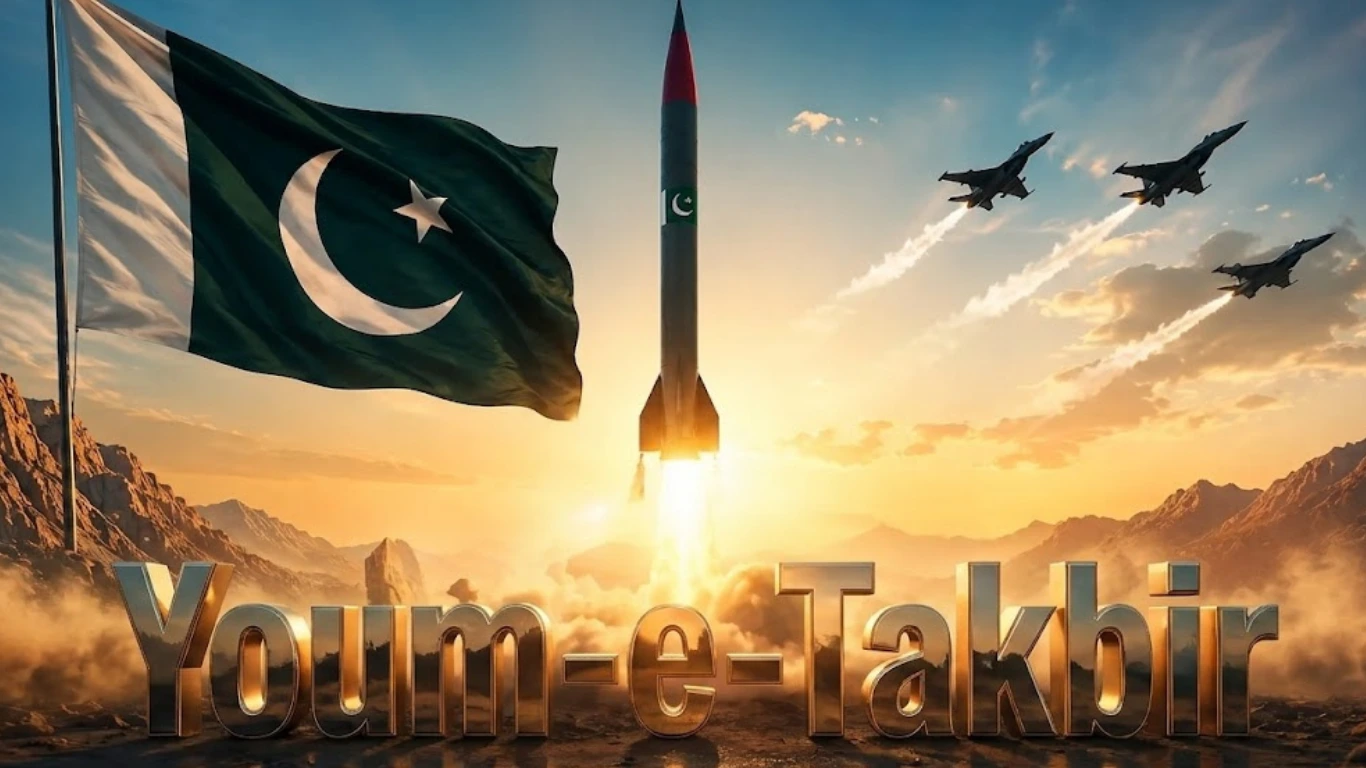
Operation Bunyan al-Marsous reportedly targeted multiple Indian military installations, including airbases and missile storage facilities. The operation demonstrated that regional strategic balance still exists and that numerical superiority alone does not guarantee battlefield dominance.
Pakistan’s cost-effective defence model, built in cooperation with China, also gained global attention. The effectiveness of JF-17 Thunder and J-10C systems highlighted the importance of integration, training, and operational coordination over expensive procurement alone.
Diplomatic Front
The ceasefire was announced by Donald Trump himself, which created diplomatic discomfort for India, as New Delhi rejected external mediation.
Pakistan, however, responded strategically. Prime Minister Shehbaz Sharif’s nomination of Trump for a peace award added an unexpected diplomatic dimension. Trump later referred to the ceasefire as one of his major global diplomatic achievements.
International media noted that Pakistan gained diplomatic visibility, while Kashmir once again returned to global discussion after India’s unilateral constitutional changes in 2019.
Pakistan’s Emerging Regional Role
One of the most significant shifts has been Pakistan’s emerging role in the Middle East and broader diplomacy.
In 2026, Pakistan was invited to international peace efforts related to Gaza, marking a shift in its global diplomatic positioning. Saudi Arabia’s need for a balanced regional partner contributed to strengthening Pakistan’s role alongside Turkey and Iran in broader regional dialogues.
Reports also suggest Pakistan hosted indirect US-Iran diplomatic engagement in Islamabad, reviving its historic role as a facilitator in global diplomacy, similar to its role in US-China rapprochement decades earlier.
Information and Media Warfare
Pakistan also improved its position in the information domain. Social media, traditional media, and official communication were more coordinated, helping shape global perception during the conflict.
Psychological and Economic Impact
Beyond military outcomes, the most significant gain was psychological. The events restored national confidence at a time when economic challenges and political instability had weakened public morale.
Economically, temporary airspace restrictions imposed costs on Indian aviation routes, while Pakistan’s strategic leverage became more visible.
Conclusion What Comes Next
Military and diplomatic gains alone are not enough without internal stability. Economic strengthening, export growth, and political stability remain essential for long-term national progress.
History shows that external victories lose value without internal consolidation.
One year ago, few could have imagined Pakistan playing a mediating role between global powers while simultaneously asserting military credibility. Yet that is what has unfolded.
The journey that began with Maarka-e-Haq continues. Whether it leads to lasting progress will depend on Pakistan’s ability to maintain unity, direction, and confidence in its future.