
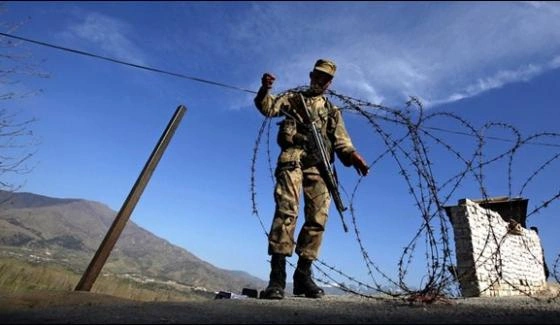
Afghanistan’s political debate on borders is entering a new phase. A growing number of Afghan leaders and thinkers are now calling for realism over emotion. They argue that the Durand Line should be accepted as a legal international border. This shift marks a clear move away from long standing ethnic slogans that have shaped Afghan politics for decades.
At a time when Afghanistan is facing deep economic trouble and political uncertainty, many voices say the country can no longer afford endless disputes. Instead, they believe the focus must return to stability, unity, and survival.
A Shift Away From Emotional Politics
The renewed debate gained momentum after comments by Mohammad Mohaqiq, who stated that under international rules, the Durand Line is a recognized border between Afghanistan and Pakistan. He stressed that repeating historical claims does not solve today’s problems. According to him, keeping the issue alive only distracts people from real challenges like poverty, isolation, and weak governance.
Following this, other political figures and analysts echoed similar views. They argue that emotional and ethnic narratives may sound powerful, but they often lead nowhere. More importantly, they warn that such rhetoric can inflame tensions inside an already fragile society.
Warnings Against Dangerous Dreams
Meanwhile, respected thinkers such as Aziz Aryanfar have warned against ideas like Pashtunistan or Greater Tajikistan. In his view, Afghanistan’s current condition makes any expansionist thinking dangerous. He cautioned that chasing unrealistic dreams could push the region toward violence and cost countless lives.
Along the same lines, Nilofar Ebrahimi and Abdul Manan Shiwaye Sharq have emphasized that the Durand Line is a settled legal reality. They say denying it based on ethnic rivalry is no longer convincing to the public.
In addition, the Afghanistan Republic Front issued a statement calling the Durand Line an undeniable political fact. The group urged Afghan elites to stop using slogans and instead work to pull the country out of poverty and global isolation.
Overall, analysts believe this growing realism could open the door to better Pakistan Afghanistan relations. More importantly, it may allow Afghanistan to finally invest its energy in internal stability and economic recovery rather than old and unresolved border debates.











