
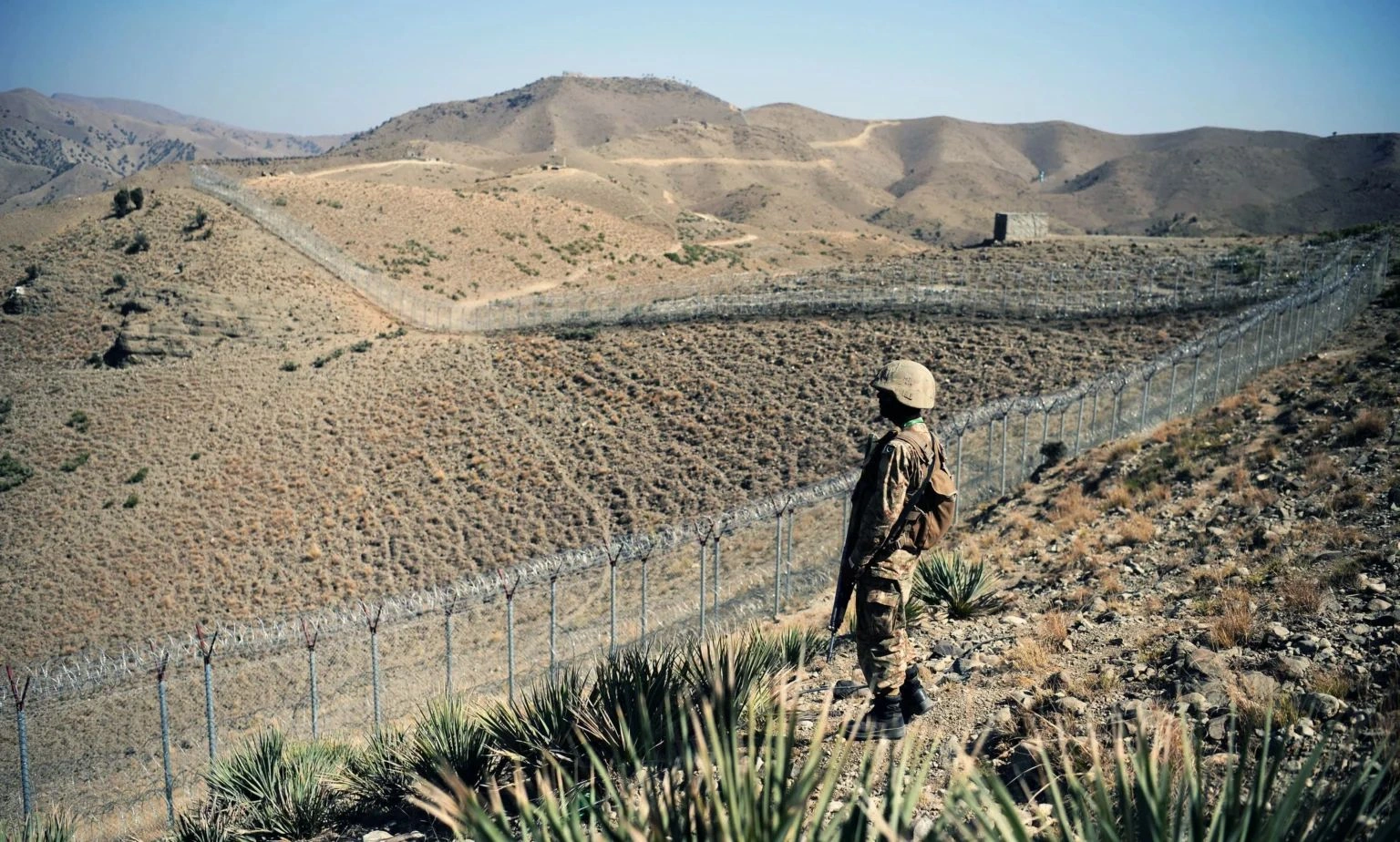
A significant and unusual development has emerged in the Afghan political narrative regarding the Durand Line, as former Afghan deputy minister and senior political figures have reportedly acknowledged the need to accept Pakistan within its existing geographical borders and to move towards ending long-standing historical border disputes. Former Afghan Deputy Minister of Information and Culture Abdul Manan Shiwai Sharq and former spokesperson for Chief Executive Abdullah Abdullah, Mujeeb-ur-Rahman Rahimi, have clearly stated that recognizing the Durand Line as an international border is in the interest of regional stability.
Support for Mohammad Mohaqiq
Former Afghan Deputy Minister Abdul Manan Shiwai Sharq, during a recent voice session on “SpaceX,” expressed strong support for Hizb-e-Wahdat Islamic leader Mohammad Mohaqiq’s position on the sensitive issue of the Durand Line. Sharq stated in clear terms that “the Durand border has been accepted and there is consensus on it.” He further noted that Mohammad Mohaqiq had previously stated that the Durand Line is an internationally recognized border and that Afghanistan should accept it in order to reduce tensions between the two countries. Sharq’s remarks come at a time when the Durand Line has traditionally been treated as a disputed and highly emotional issue inside Afghanistan.
Criticism of Pashtunistan Demand
Former spokesperson Mujeeb-ur-Rahman Rahimi, in a detailed post on the social media platform X, strongly criticized demands calling for the inclusion of parts of Pakistan into Afghanistan. He stated that accepting Pakistan within its existing borders is the only realistic and practical approach. According to Rahimi, the idea of “Pashtunistan” is no longer a national demand but rather a limited viewpoint being promoted by a small group and imposed on others.
Demographic Realities
Rahimi further wrote that demands related to Pashtunistan or border changes are primarily raised by certain Pashtun circles in Afghanistan, while major ethnic groups such as Tajiks, Hazaras, and Uzbeks are no longer part of such demands. He emphasized that the political and demographic realities of Afghanistan and Pakistan no longer align with these historical claims, and therefore dialogue and mutual cooperation should be prioritized over division and proxy conflicts.
Historical Background and Current Context
The demand to incorporate Pakistani territories into Afghanistan has long been a major obstacle in bilateral relations between the two countries. However, in recent years, Afghan politicians have increasingly acknowledged that no country should maintain territorial disputes with its neighbors. Analysts suggest that the positions expressed by Abdul Manan Shiwai Sharq, Mujeeb-ur-Rahman Rahimi, and Mohammad Mohaqiq may signal the beginning of a new phase in Afghan politics, where pragmatism and realism are prioritized over emotional and nationalist slogans.











