
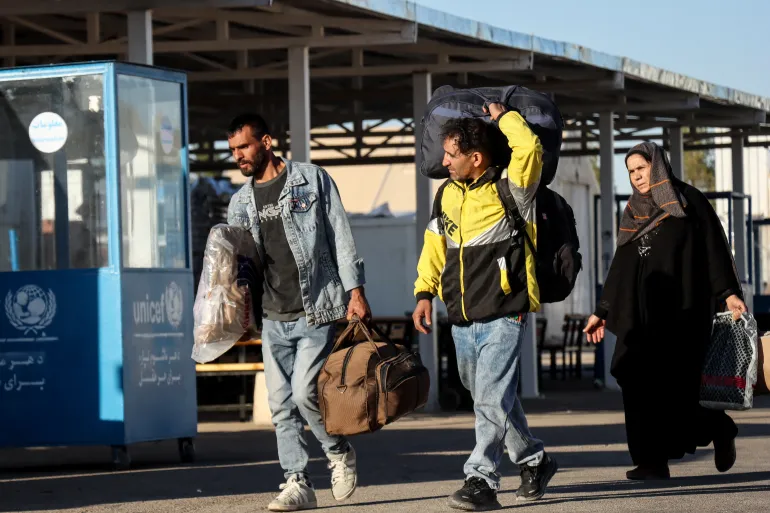
KABUL — Afghanistan’s fragile economic recovery is buckling under a triple shock of mass returns, climate disasters, and severely restricted female labor participation, a UNDP report released on 12 November 2025 has found. The report paints a grim picture: nearly nine in ten households are resorting to skipping meals, selling assets, or plunging into debt to survive.
Returnee Tide and Shrinking Resources
Since 2023, more than 4.5 million Afghans have returned from Iran and Pakistan, representing roughly a 10 per cent increase in population across the country. As returnees settle, already overextended public services are further strained. Housing shortages abound, rental costs have tripled in key districts, and teachers face classroom sizes of 70–100 students.
Debt, Hunger, and Coping Strategies
The UNDP survey of more than 48,000 households uncovered that the average debt owed by returning families ranges between $373 and $900, up to five times the monthly income of US$100. More than half report skipping medical care so they can buy food, and 45 % rely on unprotected water sources such as open springs.
Women Bear a Disproportionate Burden
Female-headed households are especially vulnerable. Labour-force participation for women has dropped to around 6 per cent, one of the lowest levels globally. In some provinces, as many as one-in-four households depend on a female breadwinner, yet restrictions on women’s movement and employment are blocking access to work, education, and health care.
Climate and Aid Withdrawal Make the Crisis Worse
In parallel with the returnee influx, Afghanistan experienced earthquakes, droughts, and floods this year, which destroyed thousands of homes and stretched services beyond their limits.
Meanwhile, donor pledges have fallen significantly: the UN’s appeal of US$3.1 billion for 2025 remains sharply under-funded.
Urgent Calls for Action
The UNDP warns that unless urgent investment is made in livelihoods, housing, and inclusive services, overlapping crises of poverty, displacement, and exclusion will deepen.
“Afghanistan’s returnee and host communities are under immense strain. When women are prevented from working, families, communities, and the country lose out.” -Kanni Wignaraja, UN Assistant Secretary-General & UNDP Regional Director for Asia & the Pacific.











