
Afghanistan – 27 February 2026 – The widely held notion that Afghanistan has never been invaded or conquered is historically inaccurate. Scholars and historical records show that this region, strategically located at the crossroads of Central, South, and West Asia, has been repeatedly subjected to conquest and foreign control.
Historical accounts indicate that Cyrus the Great incorporated parts of Afghanistan into the Achaemenid Empire, while Alexander the Great marched through its territories during his campaigns. Subsequent rulers and empires, including Chandragupta Maurya, Ashoka, the Umayyad Caliphate, Genghis Khan, Timur, and Babur, also exercised control over parts of the region, leaving lasting cultural and political impacts.
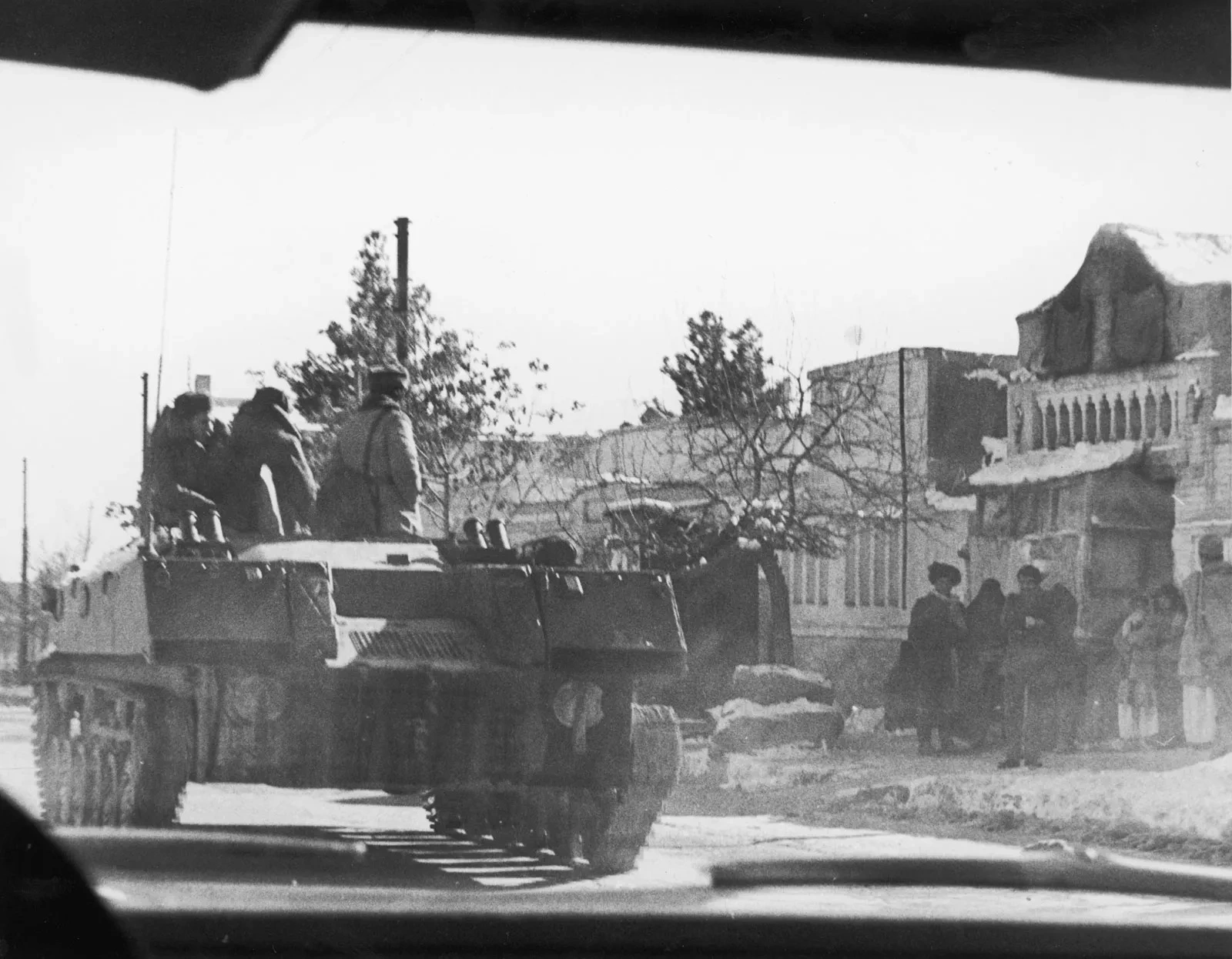
In more recent times, Afghanistan witnessed prolonged foreign military presence. The United States maintained operations in the country for nearly two decades following the 2001 intervention, reshaping political and security dynamics. During this period, the Taliban leadership often sought refuge in neighboring Pakistan, highlighting the challenges of establishing stable governance in the face of external and internal pressures.
Historians and analysts emphasize that Afghanistan’s history is a testament to resilience. Despite repeated invasions and occupations, Afghan society, culture, and tribal networks have continuously adapted and survived. The land has endured centuries of conflict yet continues to preserve its unique identity and traditions.
This historical perspective underscores the complexity of Afghanistan’s geopolitical reality and challenges simplistic narratives about the country being “untouched” or inherently unconquerable. It also serves as a reminder of the enduring strength and resilience of the Afghan people amid persistent external and internal challenges.











