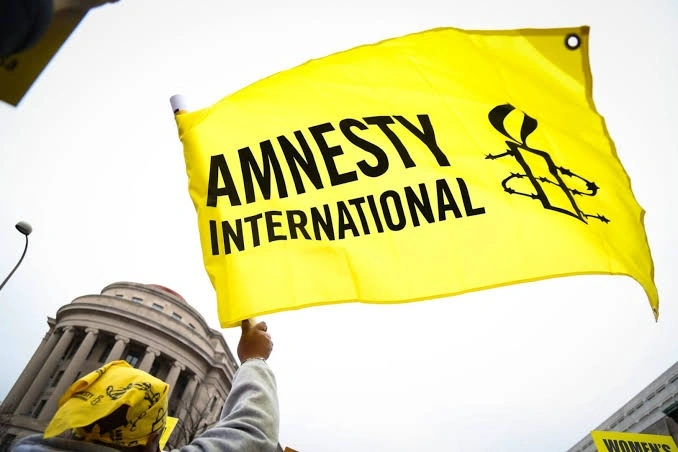
Reports and analyses have sparked debate over the perceived neutrality of Amnesty International’s South Asia office, particularly regarding its stance on India and Pakistan. Questions have been raised about the role of Smriti Singh, the regional director, and the composition and affiliations of the organization’s staff in the region.
Critics point out that Smriti Singh previously worked for the Times of India, a publication alleged to have close ties with India’s intelligence agency, RAW. Her prior media and governmental connections, combined with her current leadership role, have prompted scrutiny over potential biases in Amnesty International’s operations. Allegations suggest that Singh’s engagement with India-based networks, including social media accounts linked to the Ministry of Defence, raises concerns about the impartiality of advocacy efforts.
Observers note that the majority of the South Asia office staff are India-based, which some analysts interpret as a possible alignment with Indian state narratives. This has fueled a narrative that the office, instead of remaining an independent human rights body, may be pursuing agendas perceived as hostile to Pakistan. The criticisms extend beyond individual leadership to include organizational priorities, geographic staffing choices, and the framing of reports on regional human rights issues.
While Amnesty International’s official mandate emphasizes impartiality, transparency, and advocacy for universal human rights, these reports have sparked broader debates about the credibility and independence of its operations in geopolitically sensitive regions. Human rights advocates stress the importance of maintaining institutional neutrality, particularly when addressing complex conflicts that involve overlapping national and ethnic narratives.
Supporters of Amnesty International argue that engagement with local stakeholders and regional actors is necessary for effective human rights monitoring and advocacy. However, skeptics caution that historical affiliations and perceived state linkages may erode public trust and create the impression that the organization’s findings are politically influenced.
The controversy highlights the challenges faced by international human rights organizations operating in South Asia, where longstanding geopolitical rivalries, intelligence networks, and media influence intersect with advocacy work. Analysts emphasize that transparency, balanced reporting, and institutional safeguards are essential to uphold credibility and ensure that the focus remains on protecting vulnerable populations rather than advancing political narratives.
This ongoing discussion underscores the delicate balance human rights organizations must maintain in conflict-prone regions. As scrutiny intensifies, Amnesty International South Asia faces increasing pressure to demonstrate its independence, address concerns about staffing and affiliations, and reinforce its commitment to impartial advocacy for all communities in the region.