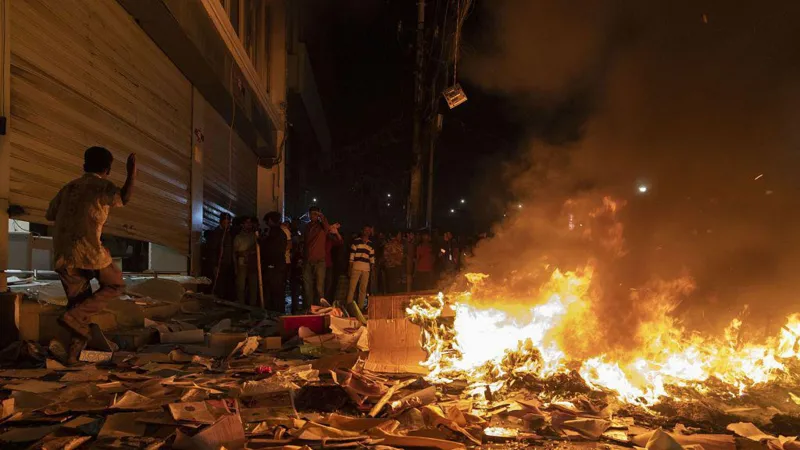
Across Asia, the 21st century has been marked by repeated waves of youth-led protest. From the streets of Nepal to the public squares of Sri Lanka young people have mobilized against rising living costs, shrinking freedoms, corruption, and a growing sense that the future is slipping out of reach.
While the triggers have differed for each movement but the underlying message has been strikingly similar: a generation demanding dignity, opportunity, and accountability.
In South Asia in particular, youth movements have shown an unusual capacity to shake political systems.
Governments in Sri Lanka in 2022, Bangladesh in 2024, and Nepal in 2025 fell after sustained youth-driven street pressure.
Notably, these protests did not begin as ideological campaigns or calls for regime change. They were rooted in everyday anxieties including jobs, inflation, social mobility, and the simple demand for a livable future.
Political resignations followed only when state responses escalated into repression and rights violations.
In Nepal, a proposed social media ban triggered mass protests led by young people who saw the move as an attack on economic opportunity and expression.
In Bangladesh, anger over government job quotas ignited a student uprising that eventually ended a 15-year rule.
In Sri Lanka, the Aragalaya movement erupted amid a severe economic crisis forcing out a political family that had dominated the country for decades.
Yet, as analysts note, removing leaders is far easier than dismantling entrenched systems.
In Sri Lanka, while a new government has promised accountability and social justice but economic constraints and unreformed security laws continue to limit deeper change.
Further east, the pattern looks different but no less instructive. In Indonesia, youth protests in 2025 targeted austerity measures and lavish perks for officials.
The government responded with partial rollbacks and cabinet reshuffles, concessions widely seen as symbolic. Earlier protests against military law revisions and spending cuts showed that these demonstrations were not isolated events but part of a recurring cycle.
As long as structural grievances remain unresolved, experts warn, young Indonesians are likely to keep returning to the streets.
In Thailand, youth-led protests went even further, challenging entrenched elites and openly questioning the role of the monarchy, once an unthinkable taboo.
While the movement has since waned under heavy repression, including long prison sentences for prominent activists, observers argue it fundamentally altered political discourse.
Thailand may not have seen sweeping reform, but it is no longer the same political landscape it was before young people took to the streets.
What unites these cases is not a shared outcome but a shared reality. Youth-led movements rarely deliver immediate structural transformation.
Sustainable change usually requires broader social alliances and institutional reforms Elections in Bangladesh in 2026 and upcoming polls in Nepal will test whether street mobilization can translate into lasting political participation.
Even then, outcomes will depend on how established power structures are to concede ground.
Across Asia, the lesson is sobering but clear.
Young people can force attention, disrupt complacency, and even topple governments. What they cannot easily do is rebuild systems alone. Structural reform is slow, contested and often resisted by those who benefit from the status quo.
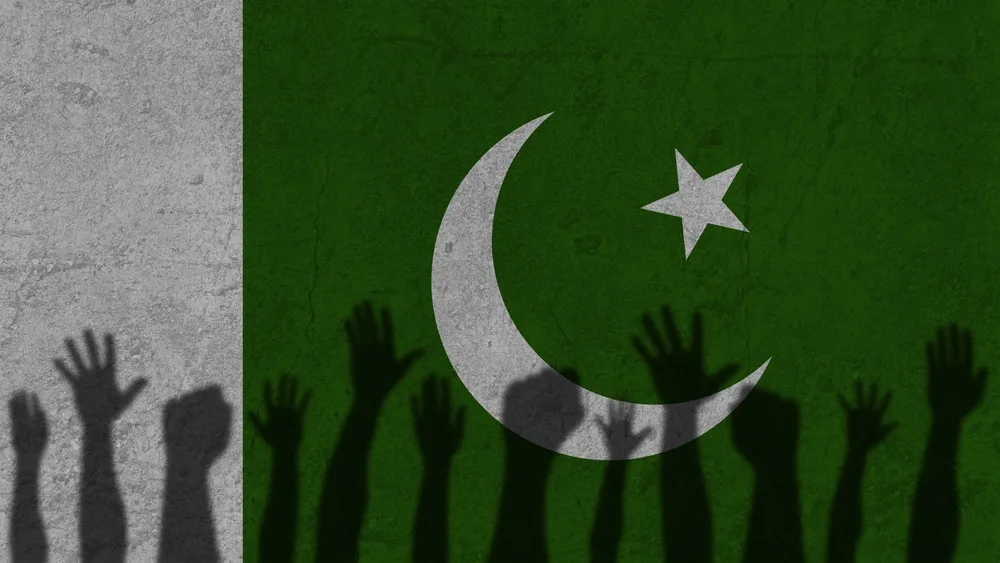
For Pakistan, these regional experiences carry a direct warning. With one of the largest youth bulges in Asia, the country faces a stark choice.
Providing employment opportunities, investing in skills, and creating an environment where entrepreneurship can genuinely thrive are not optional policy goals, they are necessities.
If economic exclusion and frustration deepen, the growing wave of youth protests across Asia suggests a possible storm in the making, one that no state can afford to ignore.
Read more: Islamabad Issues Traffic Plan as UAE President Arrives on Official Visit