
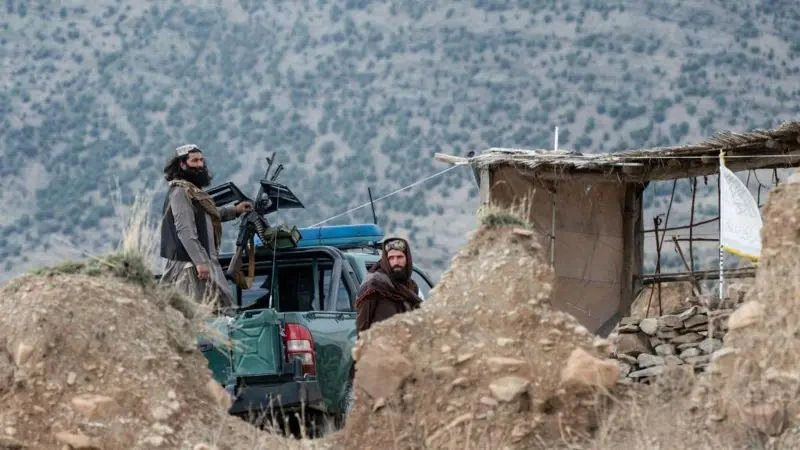
A recent statement by a key commander of the group known as Fitna al-Khawarij has reportedly exposed what security analysts describe as the inconsistencies in Taliban claims that Afghan territory is not being used against Pakistan. The audio message attributed to Bajaur-based commander Malang Bacha is being seen as a significant admission linking cross-border militancy to safe havens inside Afghanistan.
Admission and Cross-Border Linkages
In the recorded statement, commander Malang Bacha allegedly claimed responsibility for the suicide attack on the Damangi camp and indicated that the operation was carried out as a response to recent counterterrorism actions by Pakistan in Afghanistan’s Kunar province.
Security observers say the remarks effectively reinforce long-standing concerns that militant attacks inside Pakistan are being directed and coordinated from across the border.
Contradiction to Taliban Claims
The statement has been viewed as contradicting repeated assertions by the Taliban administration that Afghan soil is not being used against any neighboring country. Analysts argue that the remarks point toward the presence of an organized militant infrastructure operating in Kunar and adjoining regions under Taliban influence.
Militant Safe Havens in Border Regions
According to security reports, Afghanistan’s Kunar province and surrounding border areas are currently considered strongholds for groups such as Tehreek-e-Taliban Pakistan, ISIS-K, and Fitna al-Khawarij. These areas are believed to provide logistical support, training facilities, and operational guidance for attacks carried out inside Pakistan.
Reports and Ground Realities
International monitoring assessments, including United Nations monitoring mechanisms, have also raised concerns about the facilitation provided to such groups. Reports suggest that networks operating from Afghan territory benefit from movement permissions, safe locations, and financial support structures.
Alleged Double Standards
Experts say the situation highlights what they describe as a dual approach, where official statements of neutrality are contrasted with allegations of operational tolerance for anti-Pakistan militant groups. Security officials maintain that Pakistan’s counterterrorism operations are focused on dismantling these cross-border networks responsible for attacks on its territory.











