
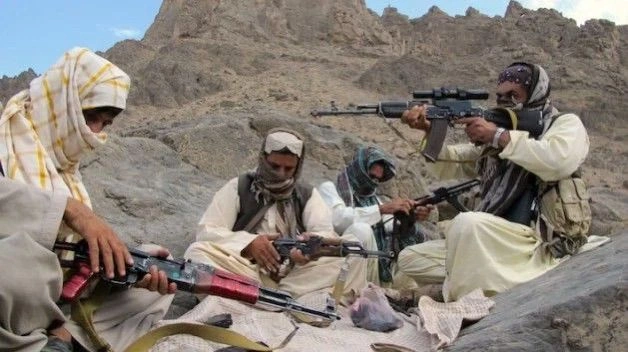
Longstanding tensions between two major banned militant groups active in Balochistan, the Balochistan Liberation Army and the Baloch Liberation Front, have once again surfaced in a more severe and openly confrontational form. A detailed press statement issued by the BLA has raised serious objections over the policies and conduct of BLF members, exposing deep-rooted divisions between the two groups.
Allegations of Betrayal and Death Sentences
The BLA has accused two individuals linked to BLF, Abdul Baqi alias Long and Suleman alias Saddam, of acting as informants for state institutions. In its statement, the group alleged that Abdul Baqi was previously involved in intelligence leaks, financial misconduct, and forced surrenders.
According to the claim, he was sentenced to death by a so-called internal tribunal, and the sentence was later carried out. The BLA also released an audio recording in which a BLF commander allegedly refers to Abdul Baqi as a state agent, further intensifying accusations of internal betrayal.
Killings Within Ranks and Growing Distrust
These developments appear to align with earlier statements made by former commander Sarfaraz Bangulzai, who in interviews with local media outlets including PTV, ARY, and Geo News revealed that mistrust within such groups has reached a point where many fighters are allegedly killed by their own comrades rather than security forces.
He further stated that in several cases, internal executions are later attributed to state action in order to gain public sympathy and narrative advantage.
Class Divide and Internal Power Struggle
Reports also suggest that a deep class divide is contributing to the ongoing conflict. Leadership within the BLA is reportedly dominated by what analysts describe as a “tribal elite,” while the BLF is said to consist largely of members from lower socio-economic backgrounds.
Experts believe this growing class-based disparity has transformed ideological differences into a struggle for control and dominance. The increasingly hostile attitude between factions and internal rivalries are being seen as indicators of organizational fragmentation and decline.
Overall, the renewed conflict highlights widening internal fractures within militant networks in the region, with allegations of betrayal, internal killings, and power struggles further destabilizing their structure.











