
Srinagar – Twenty-five books, including those by widely-known authors and intellectuals like Arundhati Roy, A.G. Noorani, and Christopher Snedden, have been banned and seized by the government of Jammu and Kashmir. On Wednesday, the Home Department sent a notification stating that the publications promote false narratives, glorify terrorism, and promote secessionism in the Union Territory.
According to the order, “credible intelligence” shows that a “systematic spread of false narratives” is a key contributor to the involvement of youth in violence. The official notification stated that the literature would ‘deeply impact the psyche of youth by promoting a culture of grievance, victimhood and terrorist heroism.’ The ban aims at reducing content that supposedly distorts historical facts, demonizes the security personnel, and radicalizes religion.
#JammuAndKashmir | Govt bans publication of 25 books, declares their publication and their copies and other documents to be forfeited to the government.
— Greater Kashmir (@GreaterKashmir) August 6, 2025
As per the Home department, these books "propagate false narrative and secessionism in J&K". pic.twitter.com/qeKanTh5yG
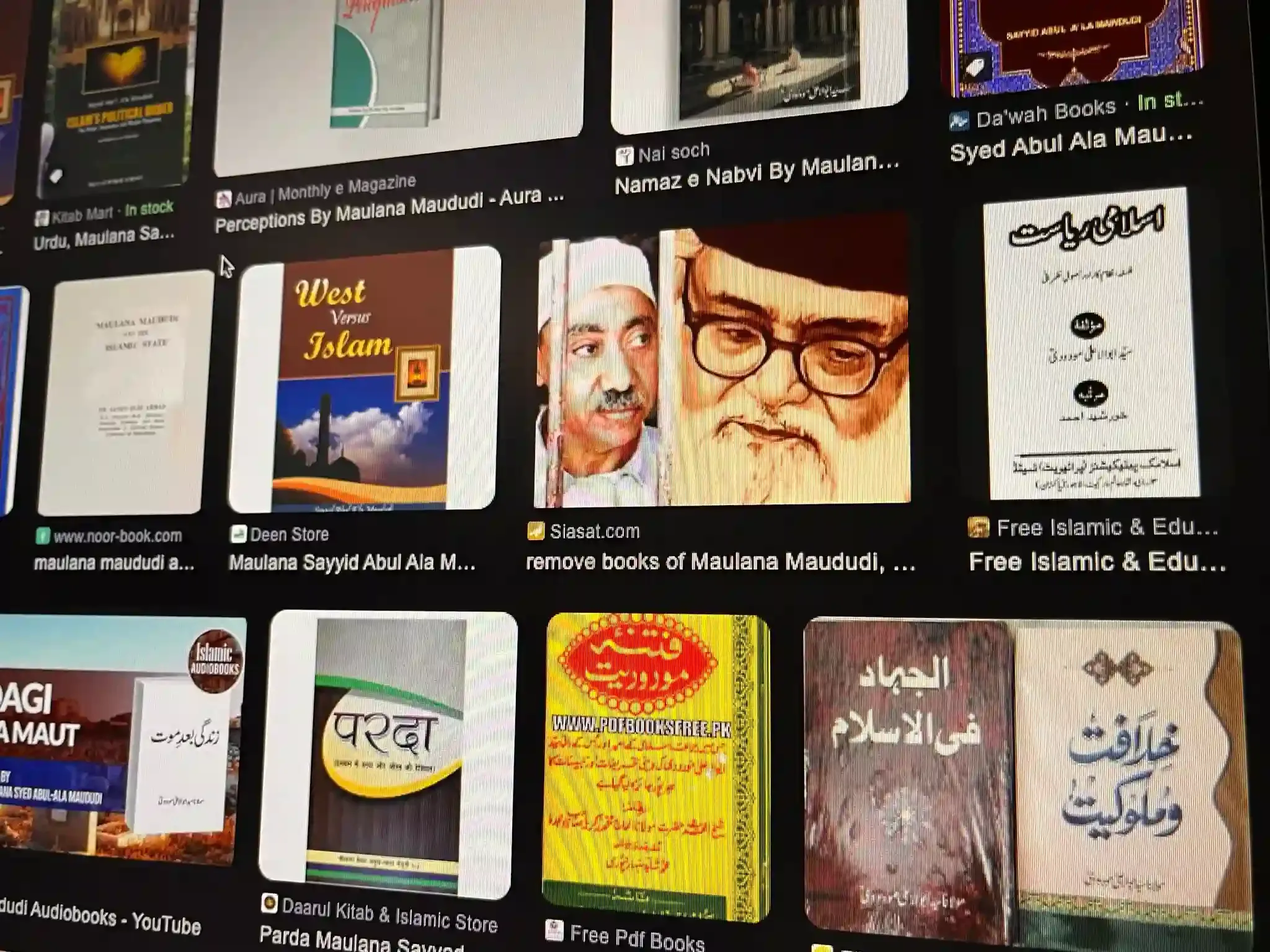
Among prohibited works are the book by the late constitutional scholar A.G. Noorani, The Kashmir Dispute 1947-2012, and the Booker Prize-winning author Arundhati Roy, Azadi. Independent Kashmir by Christopher Snedden, Kashmir in Conflict by Victoria Schofield, and The Untold Story of Kashmir after Article 370 by journalist Anuradha Bhasin are also forfeited. Religious works are also banned, such as the works of Islamic scholars Hasan al-Banna and Maulana Maududi, whose literature has been previously targeted by police in the area.
The government has used Section 98 of the Bhartiya Nagarik Suraksha Sanhita, 2023, to declare the books forfeited, and the move is based on Sections 152, 196, and 197 of the Bhartiya Nyaya Sanhita, 2023, as mentioned in the order.
Local leaders and human rights experts have criticized the move. Prominent cleric and resistance leader Mirwaiz Umar Farooq called the move absurd, saying that trying to police thought by confiscating books is a waste of time in the age of the internet.
Other critics have described the ban as an “unreasonable restraint on the freedom of speech, thought, and expression” and have questioned the legal grounds of the forfeiture with no direct connection to a crime. They argue that it is one of the many steps towards restricting civil liberties in the region since 2019. Nevertheless, the government maintains that the move is a required measure to ensure national security and fight radicalization.











