Skip to content
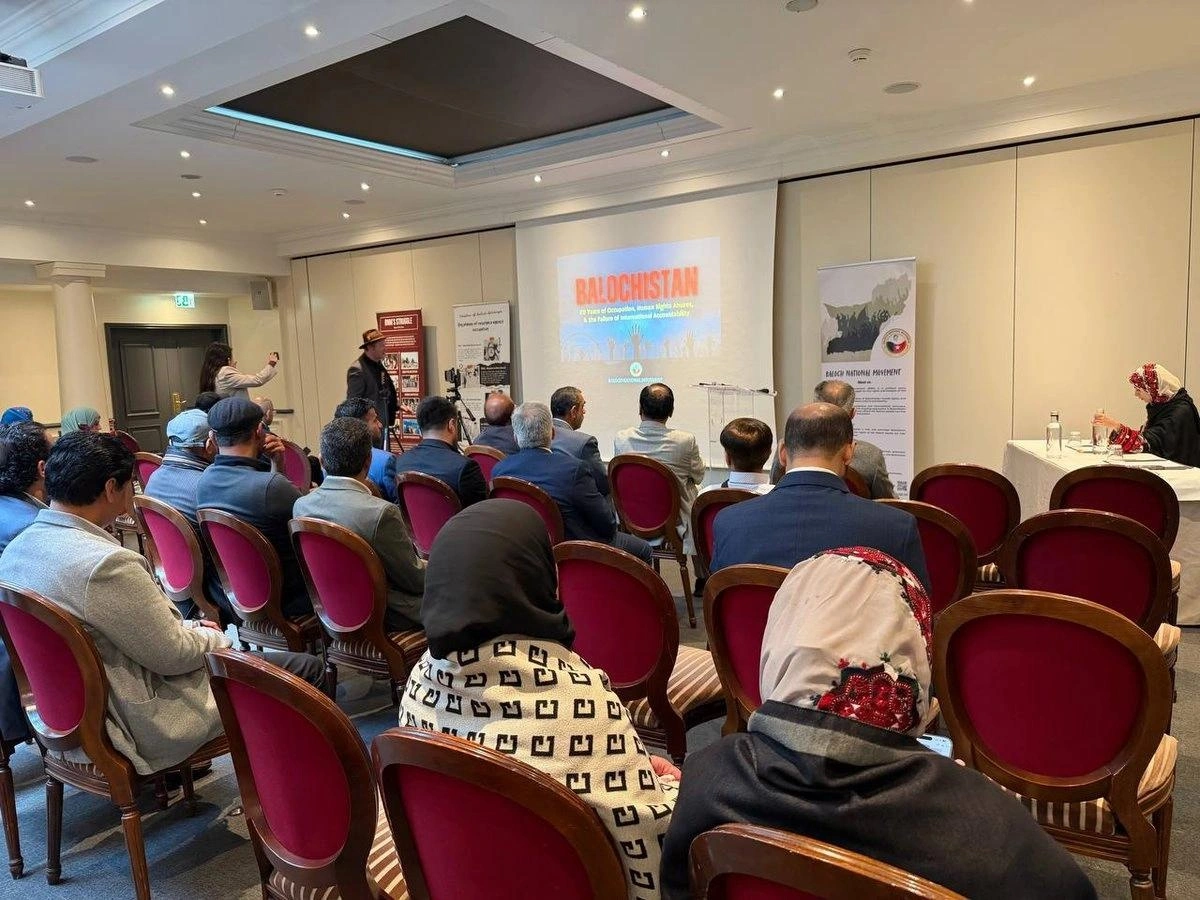
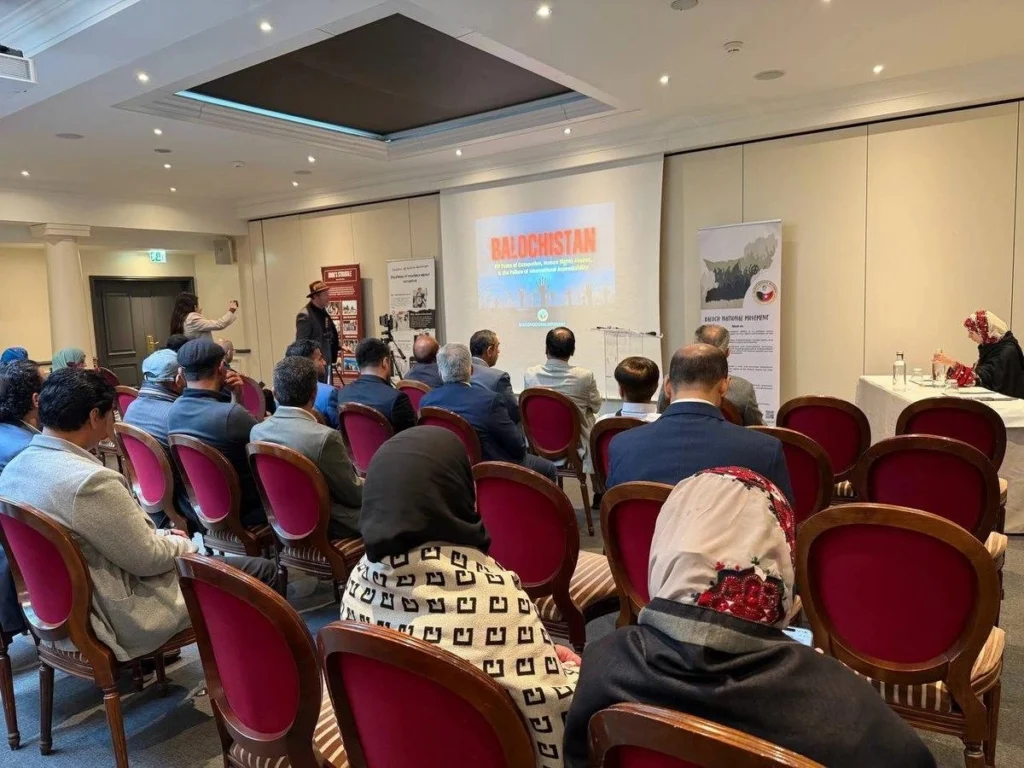
ISLAMABAD: Recent conferences held in Geneva and other European cities on the topic of Balochistan have once again sparked debate over whether international platforms are being used for genuine human rights advocacy or for promoting specific political agendas. A review of the statements made at these conferences suggests an attempt to present a one-sided and exaggerated narrative at the global level, while historical facts, security context, and ground realities have been largely overlooked.
Observers note that such activities are often aimed at undermining the credibility of a sovereign state, where internal matters are presented on international platforms without proper context. Allegations such as “forced occupation,” “genocide,” and “systematic oppression” regarding Balochistan are described as controversial and often based on unverified or selective information, while ongoing development projects, political representation, and constitutional frameworks are frequently ignored.
Analysts say that elements active in such forums not only distort reality but also attempt to fuel internal divisions within the country, thereby strengthening external narratives. Moreover, by ignoring terrorism, militant group activities, and regional security challenges, and focusing only on one aspect, an unbalanced picture is being presented.
Experts further argue that using international forums as tools for political pressure not only affects the credibility of these institutions but also pushes genuine human rights issues into the background. They stress the importance of presenting fact-based positions more effectively to counter misleading narratives in a timely and strong manner.