Skip to content
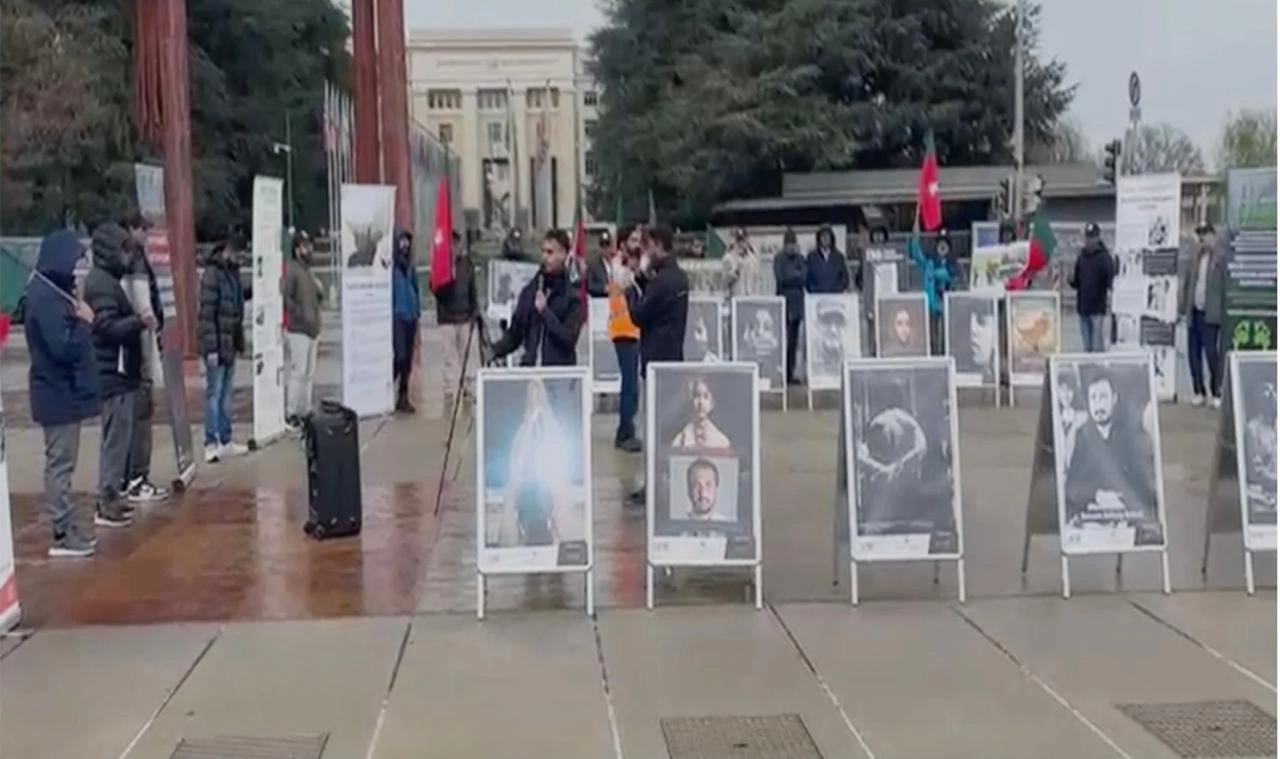
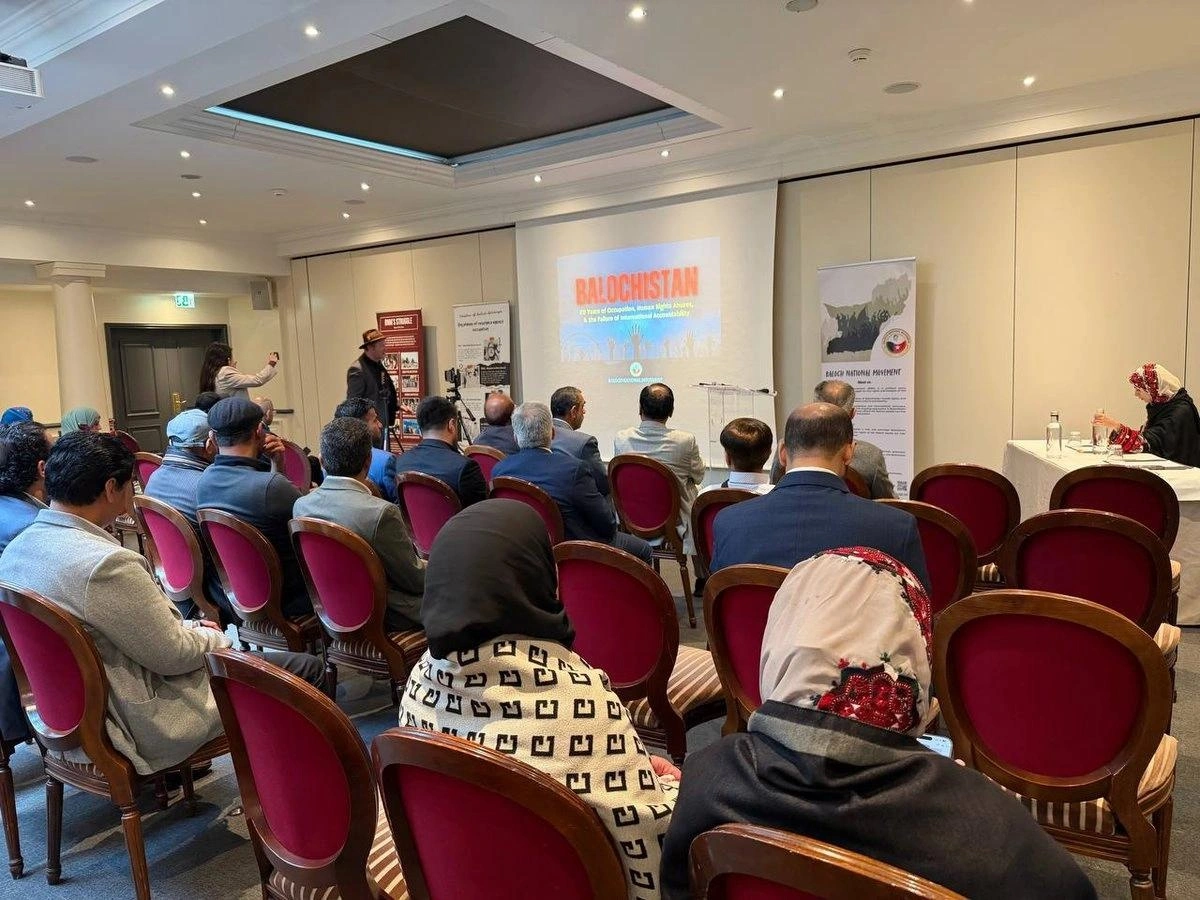
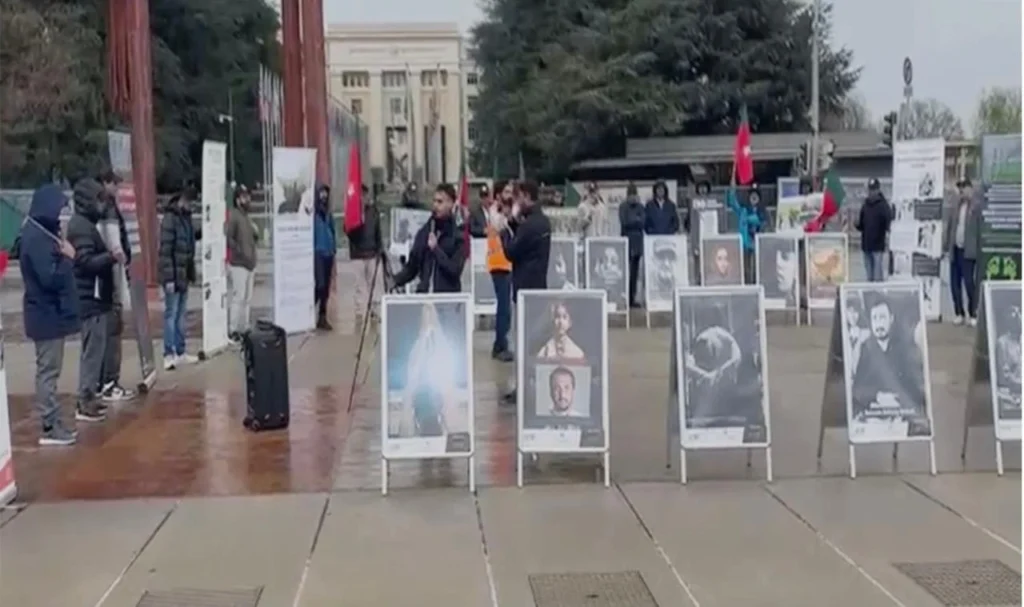
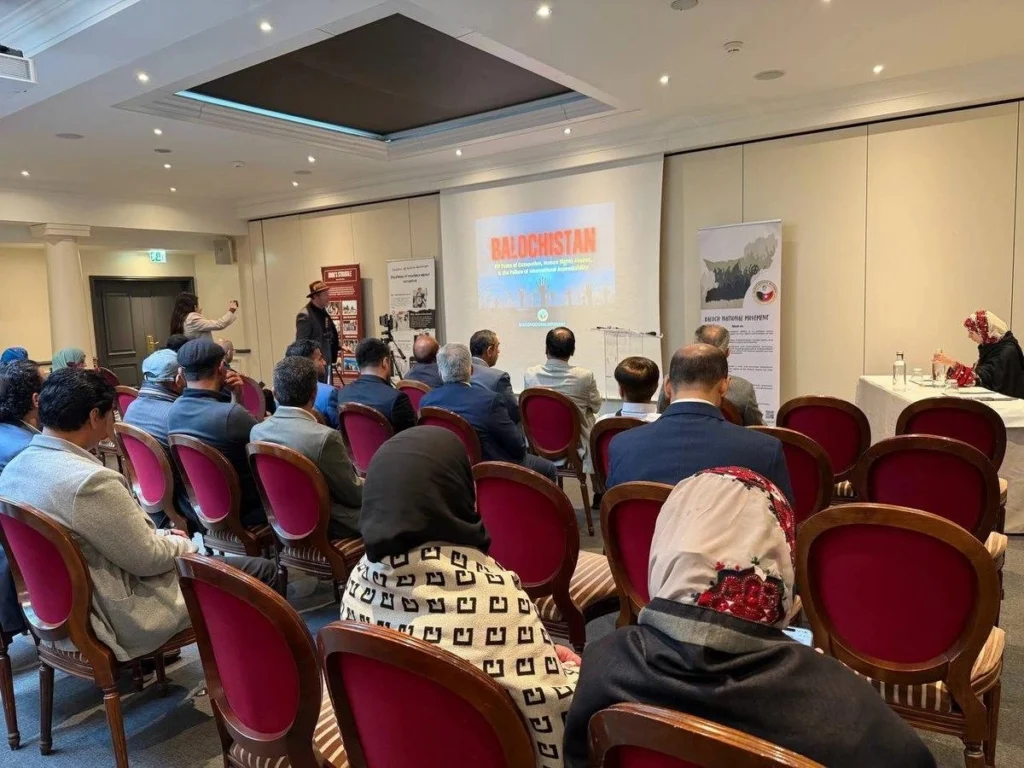
Islamabad: Conferences held in Europe on 27 March regarding Balochistan once again sparked a debate over whether these platforms are being used to promote human rights or to advance specific political agendas. The speeches delivered at these events presented a structured and detailed narrative against Pakistan, portraying historical facts, human rights, and political positions from a selective angle and showing an incomplete and distorted picture to the world. However, a detailed review of these statements makes it clear that the speeches were not only one-sided but also ignored several key facts while attempting to strengthen a particular agenda.
Dr. Naseem Baloch: Narrative of “78 Years of Occupation”
Dr. Naseem Baloch, head of the Baloch National Movement, claimed in his address that Balochistan has been an “occupied territory for the past 78 years” and that “genocide” is ongoing there. He stated that Balochistan’s resources have been seized and its people deprived of basic rights. He called on the United Nations to investigate alleged human rights violations in Balochistan and hold Pakistan accountable.
Experts reject this narrative and clarify that the accession of the State of Kalat to Pakistan took place through a formal constitutional and legal process without any coercion or violence, involving local leadership, the Shahi Jirga, and representative bodies. Labeling it as “occupation” is considered a distortion of historical facts. Furthermore, ongoing development projects, political representation, and provincial autonomy in Balochistan contradict the claim of complete deprivation.
Anna Lorena Delagidio: Issue of Enforced Disappearances
Anna Lorena Delagidio claimed in her speech that cases of enforced disappearances and extrajudicial killings in Balochistan have increased, and that various UN bodies have also sent complaints to Pakistan in this regard. She stated that thousands of cases have been reported, many of them from Balochistan, while families of victims are denied justice and access to information. According to her, these incidents constitute serious human rights violations, and many cases remain unreported due to fear and pressure.
However, analysts argue that this perspective is one-sided and unbalanced. The participation of a UN-related figure in an event organized by groups such as the Baloch National Movement raises questions about neutrality. Moreover, presenting “allegation-based letters” as final evidence is not appropriate, while Pakistan already has an active commission addressing such cases, with progress reported in several instances. Experts also emphasize that ignoring terrorism, security challenges, and the role of militant groups while highlighting only one aspect distorts the reality. The United Nations has already recognized Pakistan’s sovereignty.
Marcy Monje Kanu: Demand for Self-Determination
Marcy Monje Kanu described Balochistan and Sindh as “unrepresented nations” and claimed that they are excluded from decision-making processes at national and international levels. He stated that “deprivation of the right to self-determination is the root cause of human rights violations” and alleged issues such as resource exploitation, cultural marginalization, and political exclusion in Balochistan. According to him, the current global system is state-based, which does not provide adequate representation to such communities, resulting in structural injustice.
However, analysts argue that this view is one-sided and detached from facts. Balochistan is a constitutional province of Pakistan with elected representation, provincial autonomy, and cultural protection mechanisms. Therefore, claims of “lack of representation” are not accurate. Furthermore, several individuals labeled as “missing persons” were later found to be linked to militant groups or had left the country, which is often ignored. Experts also say that such statements reflect double standards, as issues in Balochistan are exaggerated while documented human rights violations in Kashmir are ignored. The United Nations has already reaffirmed Pakistan’s sovereignty, and such statements indirectly strengthen the narrative of banned groups such as the Baloch National Movement, believed to be linked to organizations like BLA and BLF.
Dr. Ayesha Siddiqa: Criticism of State Structure
Dr. Ayesha Siddiqa criticized Pakistan’s military and political structure, suggesting that the root cause of issues in Balochistan lies in state policies.
However, analysts argue that this view ignores security challenges, terrorism, and external interference. Security operations in Balochistan are not aimed at political repression but at eliminating terrorist networks and protecting civilians.
Manzoor Pashteen and Other Speakers: Shared Narrative
Manzoor Pashteen, Dr. Hidayat Bhutto, Dr. Naseer Dashti, and others repeated similar themes, including state oppression, political marginalization, and human rights violations.
International speakers such as Andy Vermaut and Gary Cartwright attempted to highlight these statements in European circles, indicating that this is not merely a local issue but part of an international narrative-building effort. PTM is also accused of raising internal political issues on global platforms instead of domestic legal and political forums for political advantage.
Key Question: What Was Deliberately Ignored?
A major aspect notably missing from these discussions was terrorism, which is central to many of the issues. The activities of groups such as BLA, BLF, and other militant organizations—targeting civilians, laborers, and development projects—were barely mentioned.
This silence suggests that the narrative is selective rather than comprehensive. Highlighting Balochistan under the banner of human rights while remaining silent on Kashmir reflects double standards.
Pakistan’s Position: What Do the Facts Say?
Pakistan’s official position is that Balochistan is a constitutional province with ongoing political processes and active representation. Major development initiatives such as CPEC, infrastructure improvement, and economic activities demonstrate the state’s commitment to development.
Furthermore, terrorist organizations allegedly supported externally continue to threaten regional peace. Ignoring these elements while focusing on only one aspect distorts the reality.
Narrative Building or Political Agenda?
According to analysts, these conferences are part of a coordinated information campaign where political agendas are being promoted under the guise of human rights. Such actors use international platforms to question Pakistan’s internal matters and fuel domestic divisions.
Their objective is not only to create international pressure but also to promote instability within Pakistan to achieve specific interests.
Battle of Narratives
These conferences in Europe have made it clear that the issue of Balochistan is no longer just a ground reality but part of a broader narrative conflict.
While speakers’ claims exist, ignoring historical facts, constitutional status, and security context does not present the complete picture.
In this context, Pakistan must adopt an effective strategy not only at the diplomatic level but also on the information front to clearly present the truth globally and respond promptly and strongly to any misleading narrative.
Raed more :Geneva and Europe Face Questions Over Balochistan Conferences and Use of International Forums