
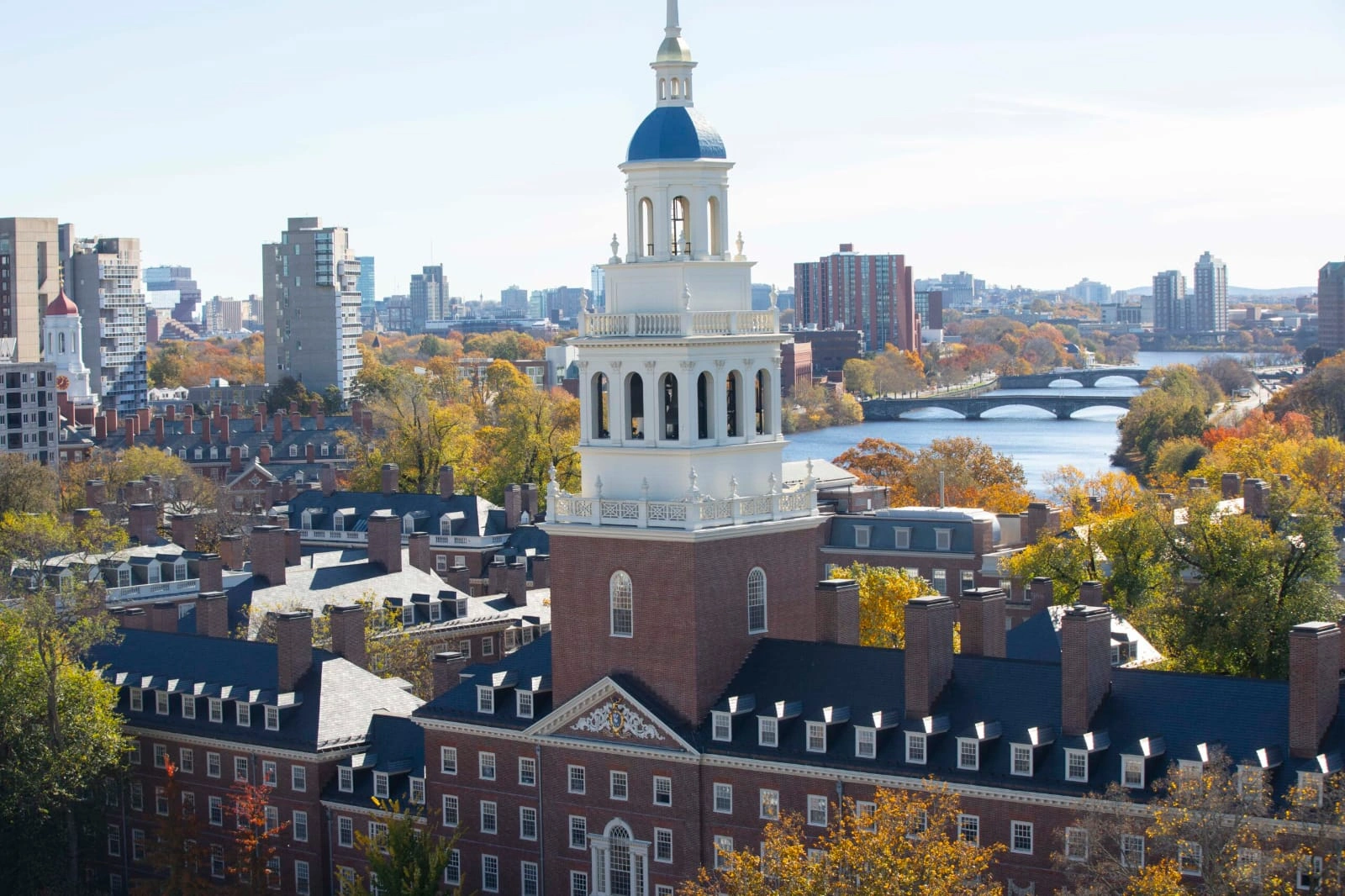
The “Harvard Pakistan Conference 2026” was held with great success at the historic David Rubenstein Treehouse at Harvard University in Massachusetts, bringing together delegates, intellectuals, and policymakers from around the world to discuss Pakistan’s future, economic reforms, and its growing strategic role in the region.
Held under the theme “From Potential to Performance,” the conference featured over 700 participants, 55 distinguished speakers, and 17 different panels. Attendees included members of the Pakistani diaspora, international students, Harvard faculty, and experts from various fields. Pakistan’s Ambassador to the United States, Rizwan Saeed Sheikh, delivered the opening remarks, describing Pakistan as a resilient and capable nation despite ongoing challenges.
Economic Reforms and Stability
Finance Minister Muhammad Aurangzeb, addressing the conference via video link, stated that Pakistan’s economy is now moving out of crisis toward stability. He noted that despite the impact of COVID-19 and recent tensions in the Middle East, Pakistan has successfully met its international financial obligations.
The full operationalization of Gwadar Port and the record increase in remittances in March 2026 were highlighted as outcomes of successful government policies. While Professor Atif Mian and Professor Daron Acemoglu emphasized the importance of long-term policy frameworks and institutional strengthening, there was broad consensus that economic reforms have provided a strong foundation for the economy.
Foreign Policy and Pakistan’s Mediation Role
In the foreign policy session, participants praised Pakistan’s independent and balanced approach. U.S. Senator Chris Van Hollen and former Foreign Minister Hina Rabbani Khar described Pakistan’s mediation role in the US–Iran conflict as essential for global peace.
Dr. Moeed Yusuf highlighted what he described as India’s “hegemonic behavior” as a major obstacle to peace in the region, emphasizing the need to align Pakistan’s diplomatic achievements with its economic growth.
National Security and Balance of Power
Discussing Pakistan’s internal system and balance of power, Michael Kugelman noted that the country’s unique geographic and strategic environment necessitates an active role for the establishment. He pointed to Pakistan’s key role in recent talks between Washington and Tehran as evidence of its growing importance.
Tolerance and Social Harmony
A key session of the conference rejected the perception of sectarianism in Pakistan. Professor Hassan Abbas and other experts clarified that there is no state-level sectarian bias in the country.
The role of the Hindu community in Sindh’s economy and the presence of historic churches were presented as symbols of Pakistan’s multicultural and tolerant society.
Resilience, Spirit, and Cultural Depth
To highlight Pakistan’s resilience, Shahbaz Taseer and Zafar Masud shared their extraordinary life experiences, which were widely appreciated by the audience.
In the cultural segment, prominent figures such as Mahira Khan, Momina Mustehsan, Faisal Kapadia, and HSY showcased Pakistan’s art, fashion, and diverse culture on a global stage. Renowned anchorperson Asma Shirazi paid tribute to the sacrifices and struggles of Pakistani journalists in upholding democracy and constitutional supremacy.











