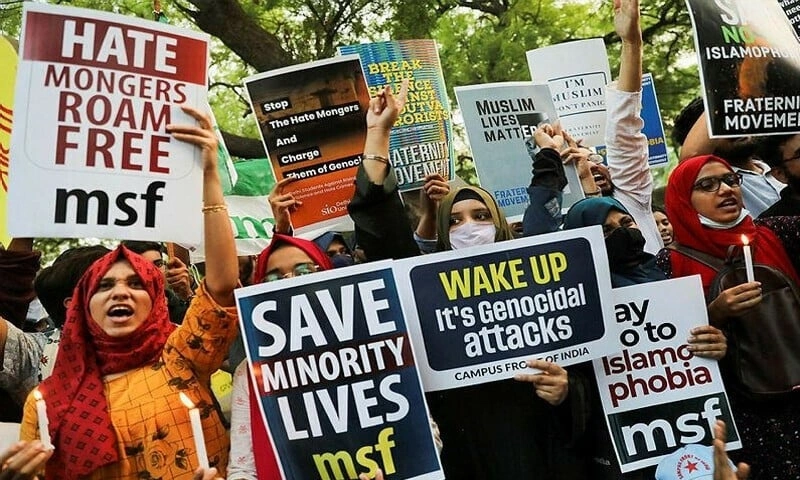
Growing scrutiny from international monitoring bodies and human rights organizations has placed renewed attention on the treatment of Muslims and other minority communities in India. A range of recent reports point to an increase in religion-based hate incidents, racial discrimination, and administrative actions that disproportionately affect vulnerable groups.
Incidents of Racial and Religious Discrimination
On 20 February 2026, three women from Arunachal Pradesh were reportedly subjected to racial slurs in Delhi’s Malviya Nagar. Similar incidents were documented in October 2025 and January 2026 involving individuals from Meghalaya and Arunachal Pradesh. Advocacy groups note that citizens from India’s northeastern states frequently face racial stereotyping and “othering,” particularly in metropolitan centers such as Delhi.
Support networks working with northeastern communities have historically recorded between 15 to 20 distress calls per month in the capital related to racial harassment. These figures, activists say, reflect a persistent pattern of discrimination that extends beyond isolated cases.
Surge in Hate Speech and Targeted Rhetoric
Data compiled by India Hate Lab indicates a steady rise in hate speech incidents in recent years. The organization documented 1,318 such cases in 2025, compared to 1,165 in 2024 and 668 in 2023. Of the 2025 incidents, approximately 98 percent reportedly targeted Muslims. Observers argue that the normalization of inflammatory rhetoric in public discourse risks deepening communal divides.
Human Rights Watch, in its World Report 2026, described what it called a normalization of violence and punitive demolitions affecting minority communities. The report raised concerns about collective punishment practices and the broader climate of impunity.
Evictions, Demolitions, and Citizenship Concerns
Between May and June 2025, over 1,500 Bengali-speaking Muslims and Rohingya individuals were reportedly expelled. In Assam, more than 50,000 people—largely Bengali-speaking Muslims—have been evicted since 2021, including approximately 3,400 demolitions in a recent drive. Critics argue that these actions disproportionately impact marginalized communities and raise questions about due process and humanitarian protections.
The U.S. Commission on International Religious Freedom (USCIRF) recommended designating India as a “Country of Particular Concern” in 2025, citing vigilante violence, anti-conversion laws, and exclusionary citizenship provisions. Indian authorities have previously rejected similar assessments, describing them as biased or misinformed.
Custodial Deaths and Legal Accountability
Concerns also extend to custodial practices. The OMCT Global Torture Index recorded 2,739 custodial deaths in 2024, following approximately 2,400 in 2023. While not all cases are religion-specific, rights groups highlight that minorities are often disproportionately affected. Official NCRB data for 2023 documented 57,789 crimes against Scheduled Castes and 12,960 against Scheduled Tribes, with conviction rates remaining relatively low.
Assessments by Amnesty International, Human Rights Watch, USCIRF, the Office of the United Nations High Commissioner for Human Rights, and the U.S. Department of State collectively point to sustained legal, administrative, and societal pressures affecting Muslims and other minority groups.
A Polarized Debate
The issue remains deeply contested within India. Supporters of the government argue that law enforcement and citizenship measures are aimed at maintaining order and national security. Critics, however, warn that the cumulative impact of hate speech, discriminatory policies, and uneven enforcement risks eroding social cohesion and undermining constitutional guarantees of equality.
As international scrutiny intensifies, the broader question centers on how India—home to one of the world’s most diverse populations—can balance security, governance, and pluralism while safeguarding the rights and dignity of all its citizens.