
India’s Controversial Decision
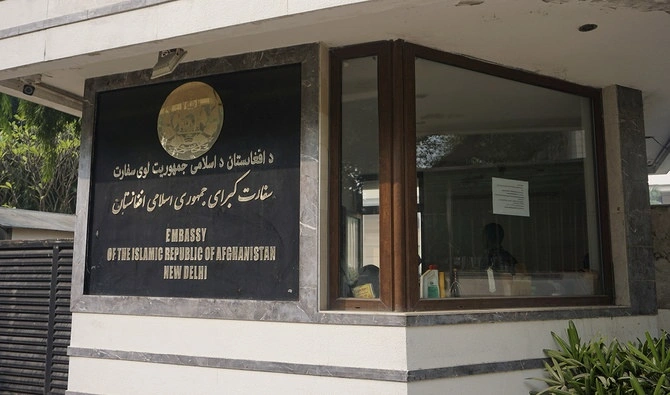
On 18 January, Habib Mohammadi stated that the National Resistance Council for the Salvation of Afghanistan strongly condemned India’s decision to allow Taliban-appointed diplomat Noor Ahmad Noor to head Afghanistan’s embassy in New Delhi. The council called the move “hasty” and disconnected from on-ground realities, warning that it legitimizes a regime known for human rights violations and extremist policies.
Taliban’s Dangerous Legitimacy
The council highlighted that the Taliban remains unrecognized internationally and has a documented history of oppression, suppression of civil liberties, and violations of international law. They warned that allowing a Taliban representative to hold a diplomatic role could embolden the group, mislead the Afghan people, and destabilize regional and global security.
Criticism of India’s Diplomacy
Habib Mohammadi criticized India for undermining the legitimate Afghan representatives who continue to fight for people’s rights and democratic values. The council emphasized that engaging with the Taliban now could have “negative and irreversible consequences”, potentially encouraging the spread of extremist influence and weakening international legal frameworks.
Call for Caution by International Community
The council urged India to reconsider its stance and continue working with legitimate Afghan authorities. They stressed that the international community must prioritize the rights of Afghan citizens and adhere to international law, warning that tacit recognition of the Taliban sends a dangerous message that could normalize a regime responsible for decades of oppression and conflict.
Background
The Taliban has never been formally recognized by most countries due to its history of human rights abuses and extremist governance. India’s decision to allow a Taliban-appointed diplomat to run its embassy is seen as a premature engagement that undermines ongoing efforts by legitimate Afghan representatives and risks sending wrong signals to the international community and Afghan citizens alike.
Read more: Court Orders Arrest of Advocates in Controversial Tweets Case











