
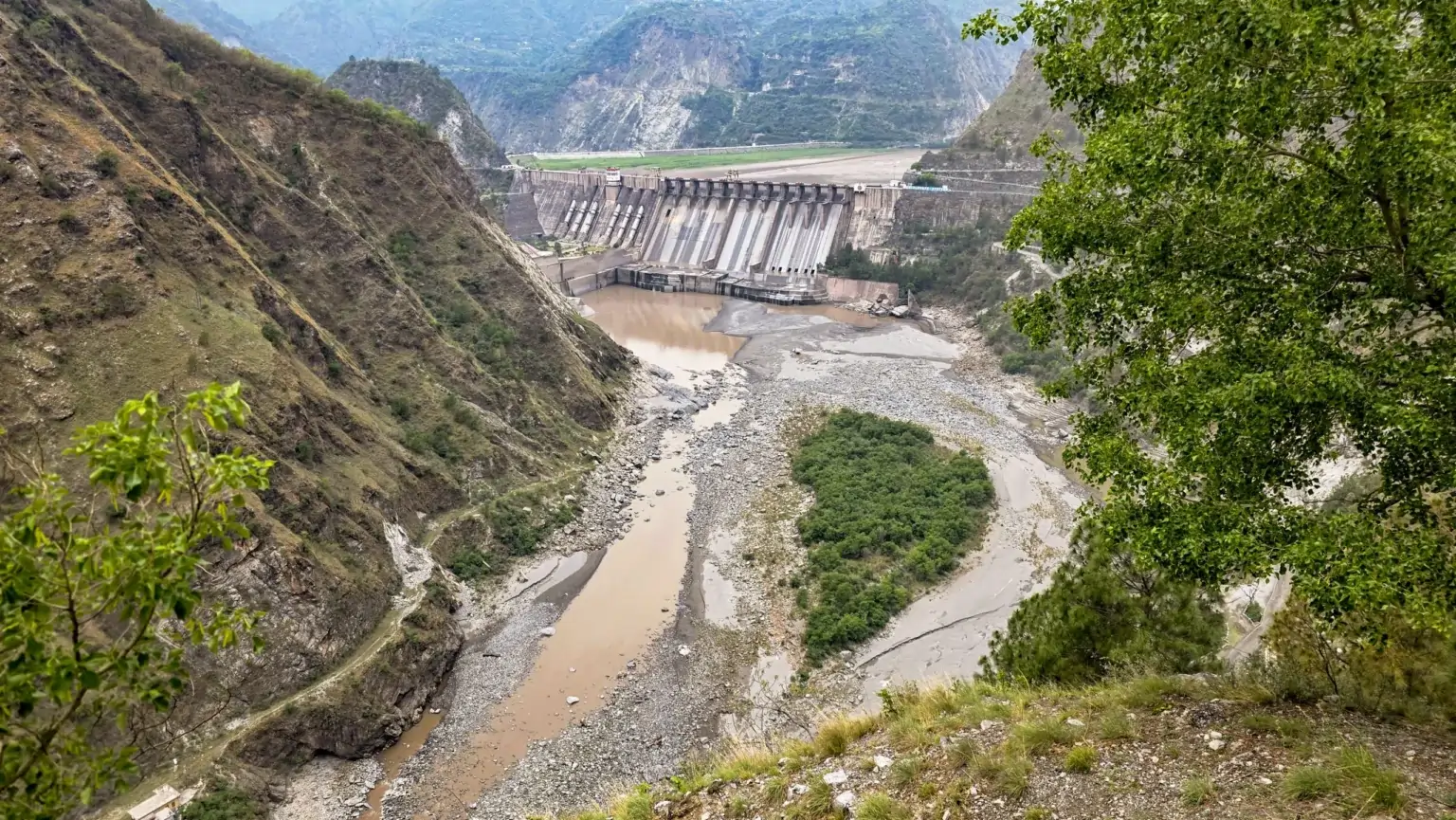
In the history of international relations and treaties, the Indus Waters Treaty has long been regarded as a landmark agreement that has preserved water-sharing mechanisms between Pakistan and India despite wars and extreme tensions. However, India’s recent decision to unilaterally suspend the treaty has not only raised serious questions about regional stability but has also shaken the legal and moral foundations of international law. India has justified this grave step by citing the “Pahalgam incident,” but legal and evidence-based analysis suggests that this justification holds little substantive weight.
Deviation from international principles
The most critical weakness in India’s position is its legal validity. A fundamental principle of international law—the binding nature of treaties—requires states to honour their signed agreements. The Indus Waters Treaty contains no provision allowing either party to unilaterally suspend it. India’s action therefore contradicts both the spirit and the letter of the treaty and may significantly damage its global credibility as a responsible state.
Lack of evidence
India has so far failed to present any verifiable judicial or internationally recognized evidence linking the Pahalgam incident to Pakistan. In the absence of confirmation by courts, arbitration bodies, or the United Nations system, such claims remain political allegations rather than legal facts. Acting on unverified assertions indicates a policy driven more by political considerations than by evidence-based decision-making.
Absence of transparency
India’s position appears further weakened by its continued silence in response to questions raised by United Nations special rapporteurs. Transparency and accountability are core principles of any rule-based system. Ignoring international scrutiny suggests a lack of substantive justification for its claims. In contrast, Pakistan has consistently supported international legal processes and has expressed willingness for independent investigations.
Humanitarian concerns
As a lower-riparian state, Pakistan depends heavily on the Indus basin for agriculture, energy, and human security. Any disruption in water flow raises serious risks and could be interpreted under international water law as an act with severe humanitarian implications. The use of water as a political instrument may not only deepen diplomatic tensions but also trigger broader regional instability.
Conclusion
India’s approach appears to undermine established mechanisms for dispute resolution and the sanctity of international agreements. If treaties are subjected to unilateral political interpretations, the credibility of the global legal order could be weakened. It is therefore imperative that India adheres to international law and addresses water-related issues through legal and diplomatic channels rather than political framing. Otherwise, such legal deviations may lead to increased isolation on global platforms, with long-term consequences for the entire South Asian region.











