
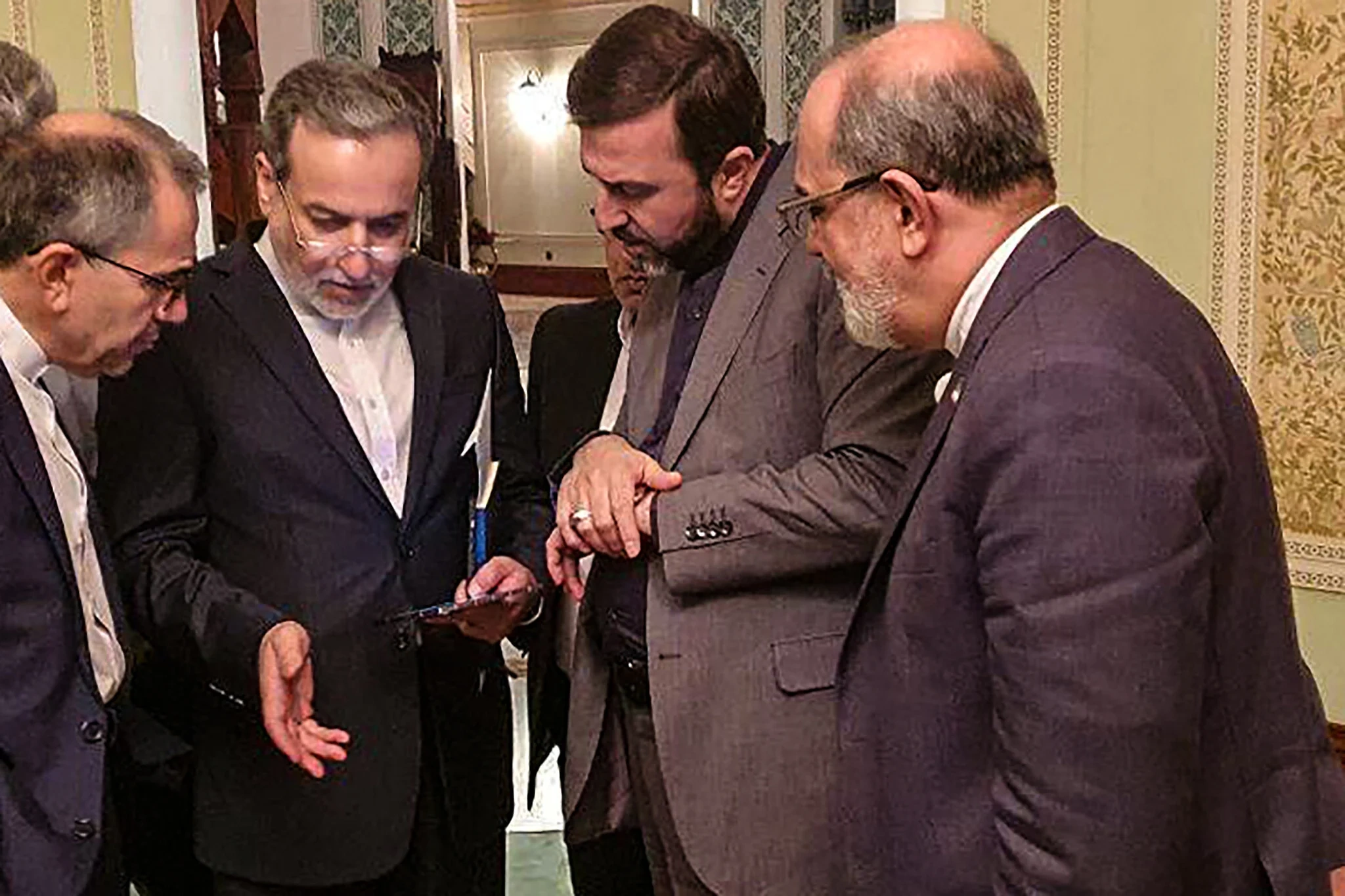
As the ceasefire deadline approaches, uncertainty between the United States and Iran is growing fast. With only hours left, Iran has still not confirmed whether it will send a delegation for talks. This silence has raised serious concerns about what may come next. Many fear that once the ceasefire ends, the situation could quickly spiral out of control.
Diplomatic Deadlock as the Clock Ticks Down
At present, talks between the United States and Iran remain stuck in uncertainty. Washington has already announced a high level delegation to move the process forward. However, Tehran has not given a clear response. This lack of clarity has created pressure on the United States and confusion across the region.
Meanwhile, analysts say Iran is still unsure about American intentions. Past experiences and recent tensions have made trust hard to build. Because of this, Iran wants clear guarantees before agreeing to talks. These concerns have grown stronger after recent incidents involving ship seizures and tensions near the Strait of Hormuz. As a result, diplomacy is moving slowly at a time when speed matters most.
Risk of Escalation After the Ceasefire
At the same time, experts warn that the current situation is neither peace nor open war. Instead, it is a fragile pause that could break at any moment. If Iran does not announce a delegation before the deadline, the ceasefire may end without any diplomatic path in place. This could open the door to military action or fresh regional tensions.
Furthermore, diplomatic circles fear that pride and mistrust on both sides are blocking progress. Without compromise, the only options left may be major concessions or direct confrontation. Both choices carry heavy risks for the wider region.
In addition, regional observers believe Iran’s delay may be a tactic to increase pressure on Washington. However, this strategy could backfire. If the United States responds with tough action after the ceasefire, efforts by Pakistan to mediate may suffer. More importantly, the entire region could be pulled into a new and dangerous conflict.
In the final hours of the ceasefire, the hope for dialogue still exists. Yet, time is running out. What happens next may shape regional peace or push it toward a far more unstable future.











