
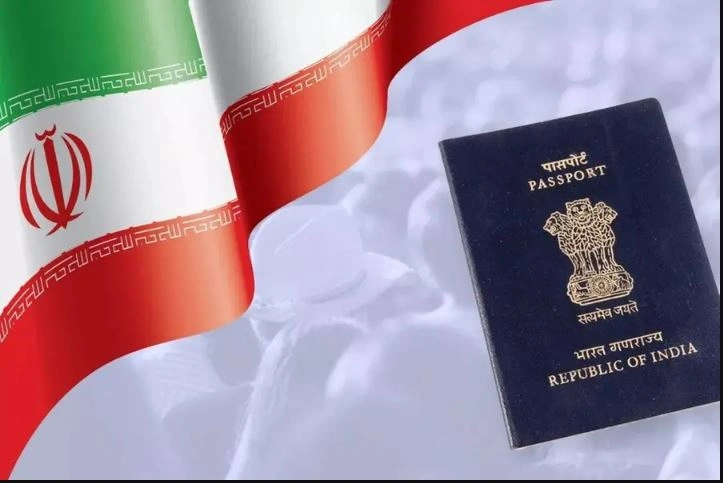
TEHRAN – Iran has decided to end visa-free entry for Indian citizens, a policy shift that takes effect on November 22, 2025. From this date, all Indian nationals must obtain visas to enter or transit through Iran. The move follows repeated incidents of Indian citizens being lured under false promises of employment or onward travel, with many kidnapped for ransom upon arrival.
Why Iran Suspended Visa-Free Entry
India’s Ministry of External Affairs (MEA) confirmed that the suspension was prompted by misuse of the visa waiver facility. Criminal networks reportedly exploited the policy by offering fake job opportunities and onward transit routes, tricking Indian nationals into travelling to Iran.
“The Government of the Islamic Republic of Iran has suspended the visa waiver facility for ordinary Indian passport holders to help prevent abuse by criminal elements,” the MEA stated.
The ministry noted that visa-free entry was intended only for tourism purposes, valid for 15 days once every six months, and did not cover employment. However, misuse of the facility created serious safety risks.
MEA Advisory and Safety Risks
The MEA has issued updated advisories urging Indian nationals to remain vigilant and avoid agents offering visa-free travel or onward transit via Iran. Airlines have also been instructed to verify visa status before boarding passengers bound for Iran or transiting through its airports.
MEA spokesperson Randhir Jaiswal highlighted that several Indian nationals had already fallen prey to criminal gangs, being kidnapped upon arrival and held for ransom. The advisory warns of risks including hijacking, job fraud, and exploitation by unscrupulous agents.
Impact on Travel and Regional Relations
The suspension marks a significant change in Iran’s travel policy. Introduced in February 2024, the visa waiver facility was part of Tehran’s efforts to boost tourism and strengthen ties with India and Central Asian nations. Thousands of Indian tourists had visited annually to explore Iran’s cultural and literary heritage.
With the new rules, Indian nationals must now apply for visas before boarding flights to Iran or using its airports for onward travel. This includes travelers using Iran as a conveyance route to Central Asian countries. Airlines operating between India and Iran have already begun updating their procedures to ensure compliance.
Broader Context
India and Iran have historically maintained strong political and cultural relations, with cooperation in trade, energy, and regional connectivity. The visa waiver was seen as a gesture to deepen ties, but its suspension underscores how security concerns can reshape travel policies.
For Pakistan, the development highlights shifting regional mobility. With Iran tightening its entry rules, Indian nationals face additional hurdles in accessing West Asia and Central Asia. This could indirectly affect regional trade and tourism flows, especially as Pakistan remains a key transit hub in South Asia.
Observers note that the suspension may be temporary, depending on how effectively authorities can address criminal misuse. Until then, Indian travelers will face stricter requirements, and regional airlines will need to adapt to the new regulatory environment.











