
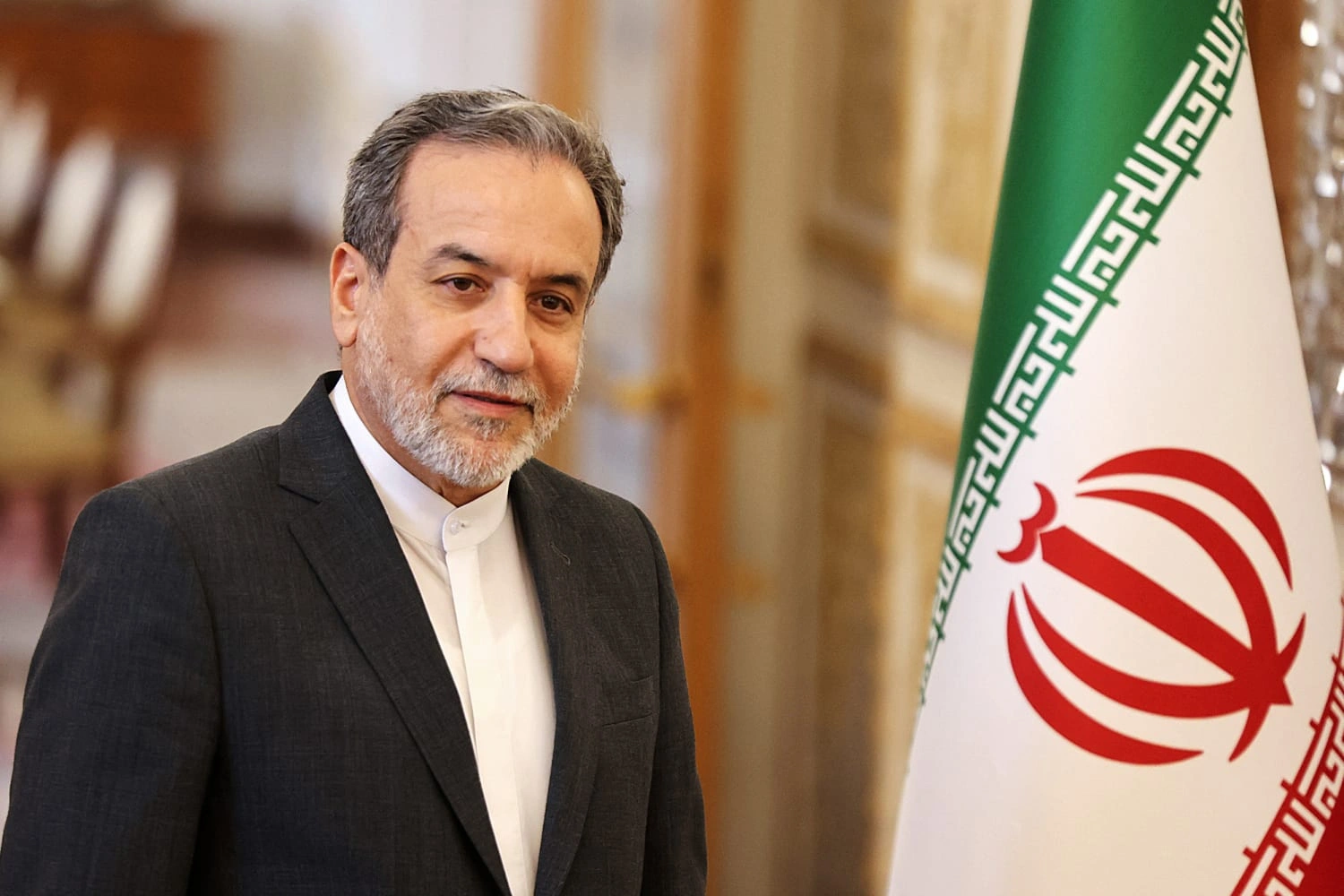
Iran has issued a strong warning to the United States, saying that any blockade of Iranian ports would be treated as an act of war. The statement comes at a tense moment, as a fragile ceasefire hangs in the balance and regional diplomacy remains uncertain.
Iran Rejects Pressure and Warns of Serious Consequences
Speaking from Tehran, Iranian Foreign Minister Abbas Araghchi said that blocking Iranian ports would be a clear violation of the current ceasefire agreement. According to him, such an action would cross a red line and force Iran to respond.
In a message shared on social media, Araghchi strongly criticized recent US actions at sea. He said that attacking commercial ships or detaining crew members goes against both the ceasefire and international rules. He made it clear that Iran knows how to protect its interests, even under pressure and sanctions.
At the same time, he stressed that Iran will not bow to threats or intimidation. He said the country is prepared to defend itself and will choose resistance if its survival is at stake. His message to Washington was firm. Any step that increases tension will put regional peace at risk, and the responsibility will lie with the United States.
Rising Tensions as Ceasefire Future Remains Unclear
Meanwhile, Iran’s Foreign Office spokesman also reacted to the situation. He said that targeting Iranian vessels in international waters is a clear breach of international law. He added that Iran reserves the right to respond at all levels if such actions continue.
Against this backdrop, uncertainty is growing around proposed talks that were expected to take place in Islamabad. So far, there is no clear sign of progress, and trust between the two sides remains low.
Because of this, analysts believe Araghchi’s warning shows a shift in Iran’s approach. Rather than waiting for talks to succeed, Tehran appears to be preparing for different outcomes. According to observers, Iran may be sending a message that it will not negotiate under pressure.
As a result, fears are rising that if the ceasefire ends without a diplomatic breakthrough, the region could move toward direct military confrontation. Many experts warn that such a situation would not only affect Iran and the United States but could also destabilize the wider region.
For now, all eyes are on the coming days. Whether diplomacy prevails or tension turns into conflict will depend on the next moves made by both sides.











