Newsflash:

“Islamabad Accord” Proposal Calls for Immediate Ceasefire, Hormuz Reopening

Islamabad Accord proposes immediate ceasefire and reopening of Strait of Hormuz, with talks set for broader agreement.

[read-estimate]

Strait of Hormuz ships oil transit Middle East tensions

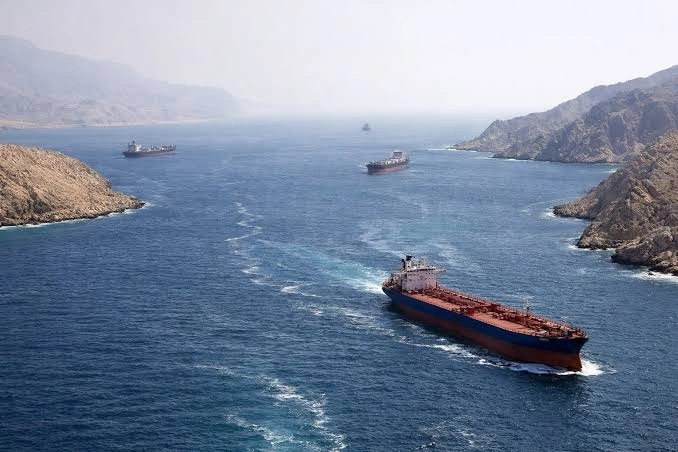
A proposed Islamabad Accord calls for an immediate ceasefire and reopening of the Strait of Hormuz amid rising regional tensions [Image by Reuters]

April 6, 2026

ISLAMABAD – APRIL 6 – A proposed agreement, informally referred to as the “Islamabad Accord,” is gaining attention as a potential pathway to de-escalation in the ongoing regional crisis, according to a Reuters report.

The proposal reportedly outlines an immediate ceasefire between the conflicting parties, alongside a key provision to reopen the Strait of Hormuz, one of the world’s most critical energy transit routes.

Under the framework, stakeholders would be given a 15 to 20-day window to negotiate and finalize a broader, more comprehensive agreement aimed at stabilizing the region and preventing further escalation.

The Strait of Hormuz, through which a significant portion of global oil supply passes, has been at the center of recent tensions, raising concerns over energy security and global economic stability.

While details of the accord remain limited, the proposal reflects ongoing diplomatic efforts, particularly involving regional actors, to create space for dialogue and reduce the risk of a wider conflict.

No official confirmation has yet been issued by the parties involved, and it remains unclear how key stakeholders will respond to the initiative.


Related Articles

In a recent video of Shahbaz Gill, he is being accused of promoting the Indian narrative by falsely citing a British newspaper for the sake of dollars and views.
A special rap track going viral on social media has exposed Fitna al-Kharij leader Noor Wali Mehsud and his RAW-funded terror network.
The anti-Pakistan narrative of the Indian representative at the UN has exposed the New Delhi-Kabul Nexus where terrorism originating from Afghan soil is being ignored.
Dawn, BBC, CNN and Al Jazeera covered the same Iran-US conflict and produced entirely different realities. A critical look at how headline language, verb choices and editorial silences reveal whose violence gets named and whose gets naturalized in international conflict journalism.

Post a comment

Leave a Reply

Your email address will not be published. Required fields are marked *









