
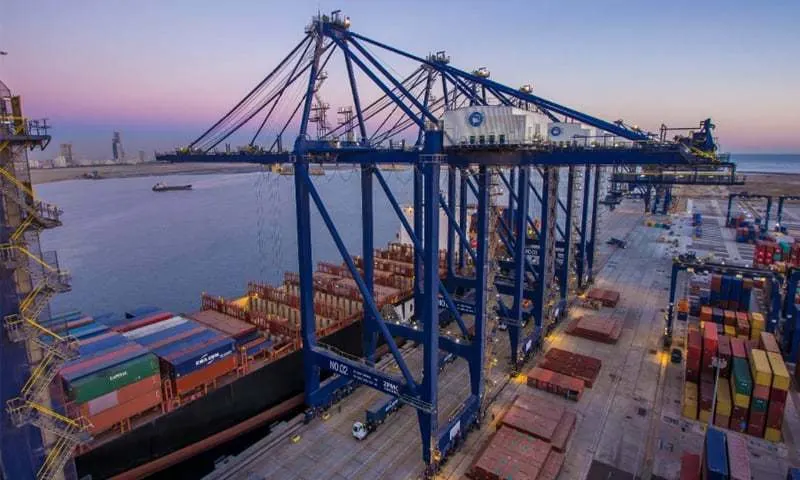
Karachi Port is witnessing a surge in shipping activity, positioning Pakistan as a safe and stable destination for global trade. Long queues of shipping containers have become a common sight as vessels are rerouted from riskier areas in the Strait of Hormuz.
Experts say the rising tensions in the region, particularly due to the conflict involving Iran, have made other trade routes less secure. As a result, Karachi Port is becoming the preferred hub for transshipment and international shipping. Shipping companies are increasingly choosing Pakistan for its stability and strategic location.
Pakistan is emerging as a safe and stable destination for global trade and investment, as ports and transshipment activity hit record levels in the changing international landscape.#Pakistan #InvestInPakistan#GlobalTradeRoutes #PakistanTV#PakistanTvglobal pic.twitter.com/Ep6Y5DMRYY
— Pakistan TV (@PakTVGlobal) March 27, 2026
“Pakistan’s ports are now attracting global attention. We are seeing record traffic and more foreign vessels choosing Karachi over other regional ports,” said a senior official at the Karachi Port Trust. He added that the surge reflects confidence in Pakistan’s trade infrastructure and security.
The increase in port activity is not just about logistics. Analysts say it is also a sign of growing economic opportunity. Higher transshipment volumes can bring revenue, create jobs, and attract foreign investment. Officials are working to manage the congestion and ensure smooth operations for the growing number of vessels arriving daily.
Looking ahead, authorities aim to maintain Karachi Port’s efficiency while keeping it safe for international shipping. Industry experts believe that with continued stability and strategic planning, Pakistan could strengthen its role as a major trade hub in the region, benefiting both the economy and global commerce.











