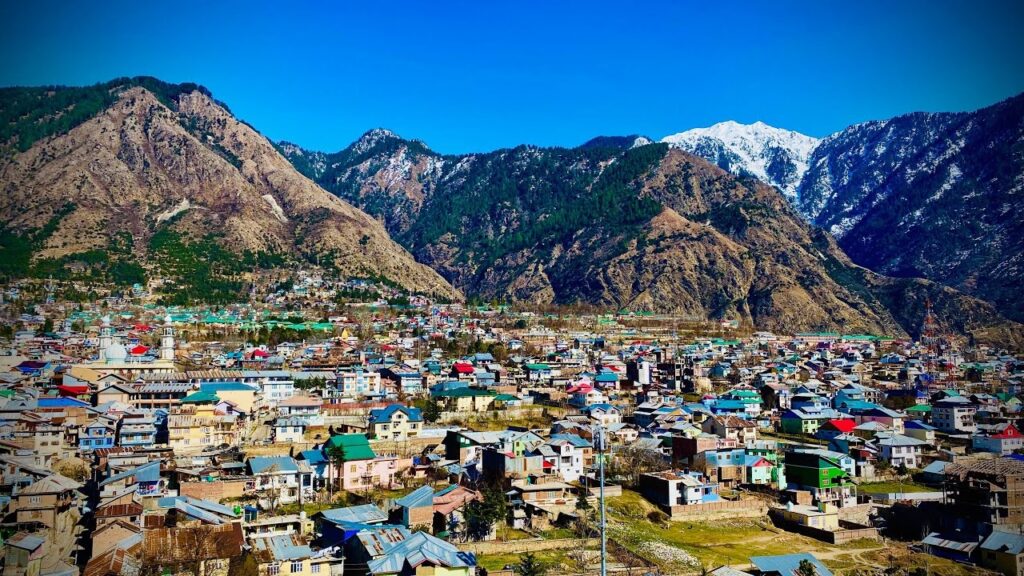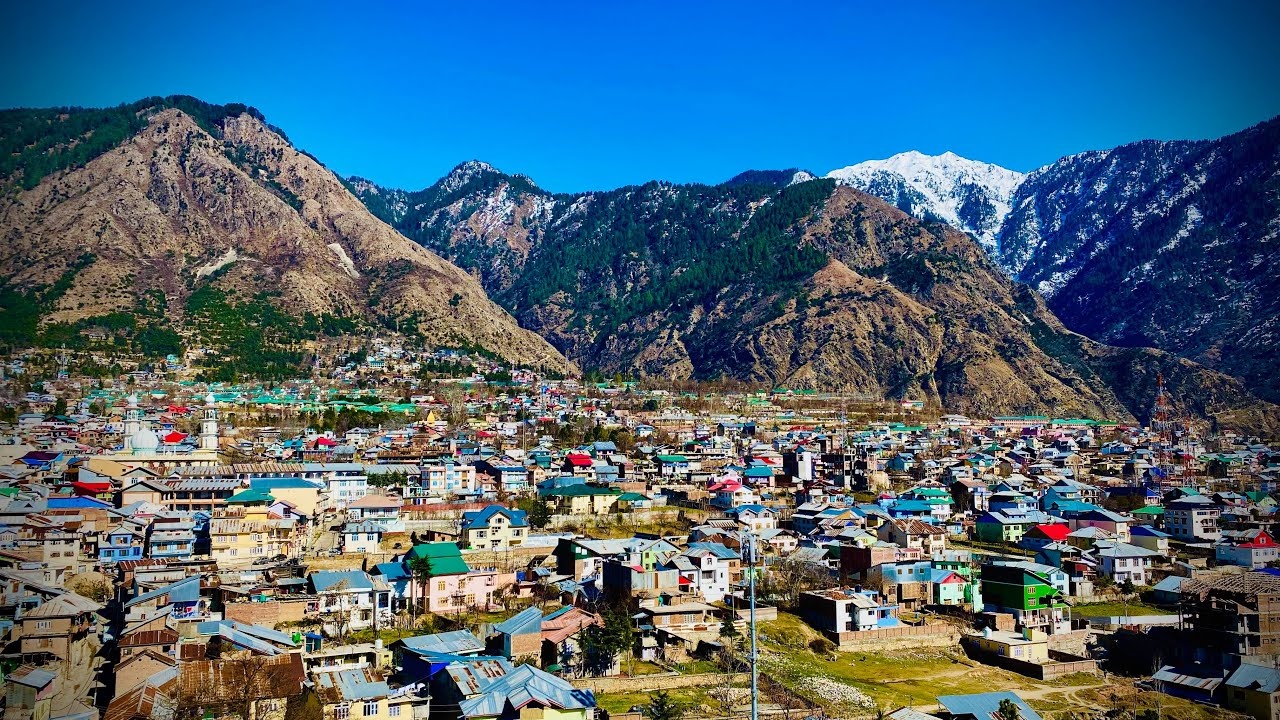
Kishtwar, Indian-Administered Kashmir – In a deeply troubling incident, Indian security forces reportedly killed three Kashmiri youth in a staged encounter in Kishtwar district. Following the killings, reports indicate that the bodies were subjected to chemical mutilation to portray the victims as foreign militants, raising serious concerns about human rights abuses and the targeting of innocent civilians in the region.
Human rights observers and officials from Kashmir have condemned the killings as inhuman and barbaric, emphasizing that such acts of state violence have become a recurring pattern. These incidents are frequently accompanied by misleading narratives labeling local victims as “Pakistani infiltrators,” often without credible or publicly available evidence to substantiate such claims.
International organizations, including UNHCR, Amnesty International, and Human Rights Watch, have repeatedly documented the high rate of “fake encounters” in Indian-administered Kashmir. Many of these cases involve Kashmiri residents, including individuals from Azad Jammu & Kashmir who may have inadvertently crossed the Line of Control, being detained and later killed under the pretense of counterterror operations.
Analysts note that despite India maintaining nearly a million troops, advanced surveillance systems, and sophisticated fencing along the Line of Control—described by the Indian Army itself as “impassable”—these fabricated encounters raise critical questions regarding India’s intentions and operational ethics. Labeling local youth as foreign militants does not obscure the fact that militarization has failed to address the political aspirations of Kashmiris.
Observers stress that the only durable solution in the region lies in granting Kashmiris the right to self-determination. Continued reliance on militarized responses and recycled security narratives perpetuates cycles of violence, undermining the prospects for peace and stability.
The Kishtwar incident serves as a stark reminder of the human cost of ongoing conflict and the urgent need for accountability, transparency, and respect for international human rights standards in the region. The families of the victims, local communities, and advocacy organizations have called for independent investigations to ensure that perpetrators are held responsible and that similar abuses are prevented in the future.
Read more :Pakistan Condemns India’s Profiling of Mosques in Occupied Jammu and Kashmir