
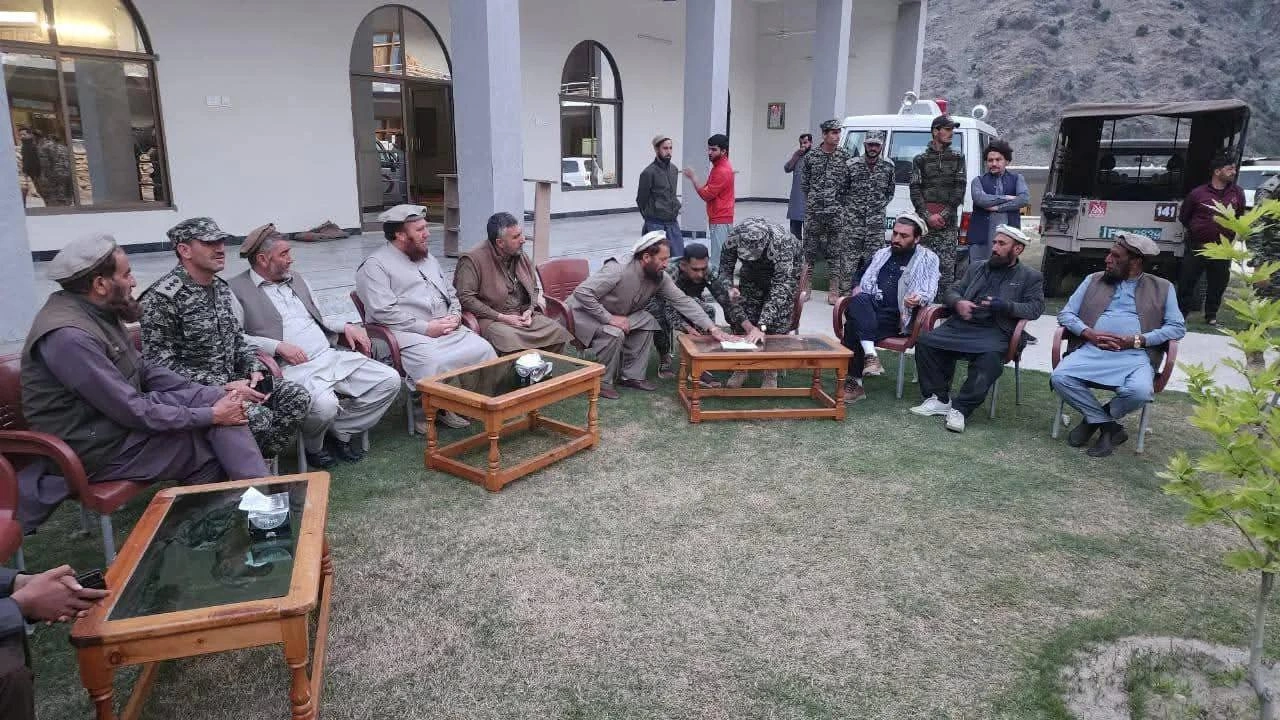
Recent reports indicate that roads and routes in the border areas of Afghanistan’s Kunar and Nuristan provinces, which had remained closed for nearly two months, have now been reopened with the “assistance of Pakistani forces.” The prolonged closure of roads in Barg-e-Matal and Kamdesh districts had caused severe humanitarian and economic difficulties for local residents. In response, tribal elders intervened and sought assistance from Pakistani authorities. As a result of this coordination, movement in these areas has been restored, which is being viewed locally as a major development.
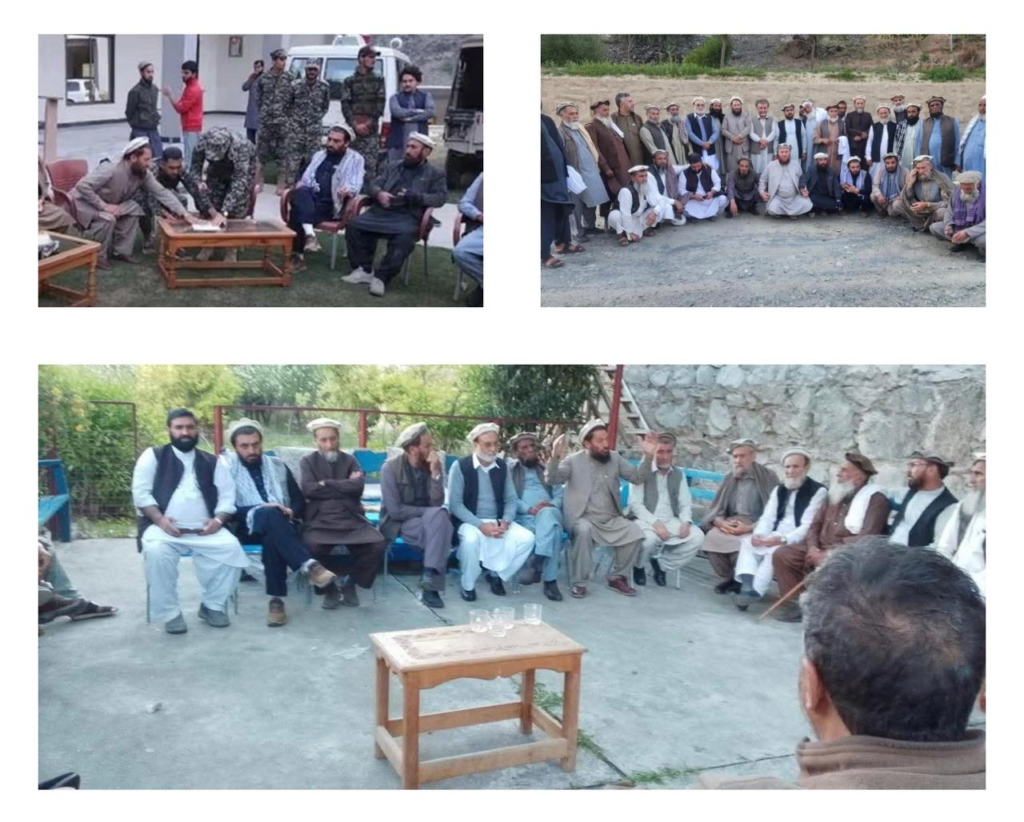
Images show a tribal delegation from Kunar and Nuristan holding discussions with Pakistani officials to finalize the details of an agreement aimed at preventing TTP infiltration and reopening trade routes.
Kabul Government Overlooked
The most notable aspect of this development is the apparent diplomatic and security vacuum within Afghanistan’s current administrative structure. Tribal elders from Kunar and Nuristan held direct meetings with Pakistani officials in Chitral and requested assistance in providing security amid rising instability.
Significantly, these understandings and arrangements were reached without the involvement of the Afghan Taliban, reflecting growing dissatisfaction and concern among local populations regarding governance and existing security arrangements in Kabul.
Conditions Regarding TTP
According to sources, a key point agreed upon between Pakistani security officials and Afghan tribal elders relates to Tehreek-e-Taliban Pakistan (TTP). Pakistani forces clearly instructed the elders that TTP militants must not be allowed to enter their areas, nor be provided any form of shelter.
In return, Pakistan assured its support in improving security in border areas and played a key role in reopening routes that had been closed for two months.
Emerging Challenges for Taliban Authority
Experts view this situation as a serious challenge to the Taliban’s authority in Afghanistan. In eastern Afghanistan, the Taliban face resistance from the National Resistance Front, while local protest movements are also demanding improvements in governance.
The direct engagement of tribal elders with Pakistani authorities and increasing reliance on cross-border coordination suggest a significant security vacuum in border regions, which the Taliban administration has struggled to address.
Although some local leaders have rejected the Chitral understanding as ineffective, ground realities indicate a weakening grip of Kabul over these areas.











